




What's Happening?
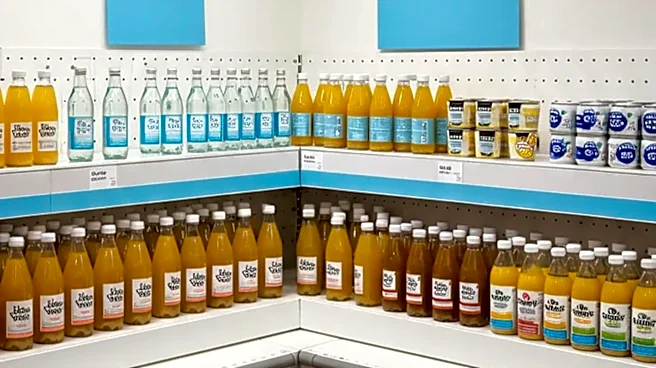
FedUp Foods, a prominent North American fermented beverage manufacturer, is broadening its product line to include shelf-stable beverages. This expansion is a direct response to evolving consumer preferences for affordable and healthy options, as well
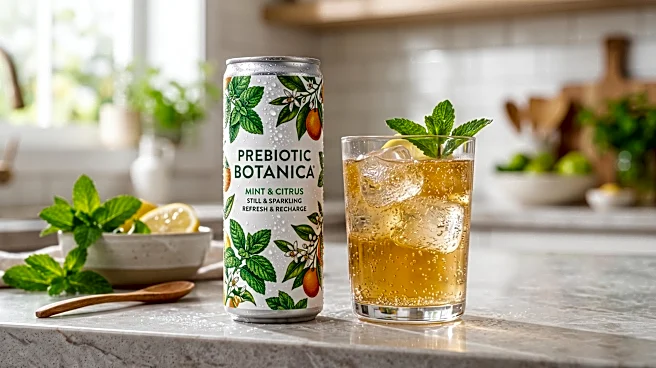
as broader store-brand trends. The company, which operates a facility in Wilmington, North Carolina, currently produces functional drinks such as kombucha, prebiotic sodas, and cold brew coffee. The new shelf-stable offerings will include functional sodas, protein shakes, coffee, and lattes. This strategic move aligns with the increasing popularity of pantry-friendly options, driven by factors like limited cooler space in retail, high cold-chain shipping costs, and the growth of e-commerce. The company's website highlights that key trends in functional beverages for 2026 include fiber-forward drinks, GLP-1 companion nutrition, protein beverages, clean energy, and prebiotic sodas. FedUp Foods aims to capitalize on the intersection of growing store-brand sales and the expanding global functional drink market, which is projected to reach nearly $250 billion by 2030.
Why It's Important?
This expansion by FedUp Foods signifies a significant shift in the functional beverage market, reflecting a broader industry trend towards health-conscious and convenient consumer products. The move into shelf-stable options addresses logistical challenges for retailers, such as limited refrigeration space and high shipping costs, potentially making these products more accessible and affordable for consumers. The focus on functional ingredients like prebiotics and protein caters to a demographic increasingly seeking beverages that offer specific health benefits beyond basic hydration. As U.S. store brand sales continue to outpace national brands, FedUp Foods' strategy positions it to capture a larger share of this growing market. This development could also influence other beverage manufacturers to innovate in the shelf-stable functional drink category, intensifying competition and offering consumers a wider array of choices. The emphasis on 'good for the people and for the planet' also taps into consumer demand for sustainable and ethically produced goods.
What's Next?
FedUp Foods is expected to roll out its new line of shelf-stable functional beverages, including functional sodas, protein shakes, coffee, and lattes, to meet the rising consumer demand. The company's CEO, David Gray, envisions store brands setting the standard for functional beverages, indicating a potential for increased market penetration and influence. This expansion will likely lead to further hiring in various departments, including plant operations, packaging, warehousing, finance, HR, engineering, and fermentation science, as the company continues its growth trajectory. Retailers will likely adjust their inventory to accommodate these new shelf-stable options, potentially reallocating shelf space previously occupied by refrigerated functional drinks or other categories. The success of this expansion could also encourage other private label manufacturers to invest more heavily in functional, shelf-stable beverage development, leading to a more competitive and innovative market landscape in the coming years.
Beyond the Headlines
The shift towards shelf-stable functional beverages by companies like FedUp Foods highlights a deeper evolution in consumer behavior and the food industry. It reflects a growing consumer desire for products that offer both convenience and perceived health benefits, moving beyond traditional notions of beverages as mere thirst quenchers. This trend also underscores the increasing importance of supply chain efficiency and cost-effectiveness in product development, as shelf-stable options reduce the complexities and expenses associated with cold-chain logistics. Furthermore, the emphasis on ingredients like prebiotics and protein points to a broader societal interest in gut health and wellness, transforming everyday consumables into functional health aids. This could lead to a redefinition of what constitutes a 'healthy' beverage, pushing manufacturers to integrate more scientifically backed functional ingredients into their offerings and potentially blurring the lines between food, beverage, and dietary supplements.