






What's Happening?
Volvo Cars USA established a component storage and vehicle preparation facility in Ridgeville, South Carolina, in 2018. This facility is crucial for the brand's U.S. strategy, handling the final stages of vehicle preparation for the North American market.
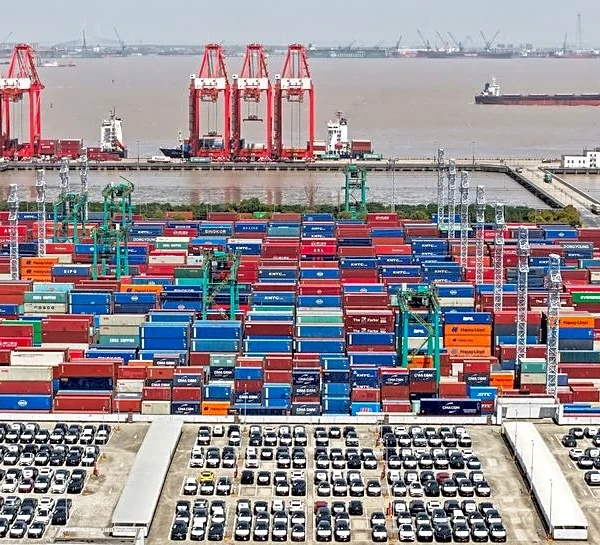
Vehicles manufactured in Europe, primarily Belgium, and China, primarily Daqing, are shipped to this Ridgeville center. Here, they undergo a process referred to as 'Americanization,' which involves the installation of region-specific components. These components include wiring harnesses, safety equipment, and infotainment systems designed to meet U.S. regulatory standards. The facility also conducts final quality inspections and prepares vehicles for delivery to dealerships across the United States. This strategic location near the BMW plant in Greer signifies Volvo's deeper integration into the American manufacturing landscape, despite not being a full-scale assembly plant.
Why It's Important?
This facility in Ridgeville, South Carolina, is important for Volvo's operational efficiency and market responsiveness in the U.S. By centralizing the 'Americanization' process, Volvo can ensure that all vehicles sold in North America comply with local regulations and consumer preferences, regardless of their initial manufacturing origin. This approach helps streamline logistics, potentially reducing lead times for vehicle delivery to dealerships and customers. For the U.S. automotive industry, it represents continued foreign investment and job creation in the manufacturing support sector. It also highlights the globalized nature of automotive production, where components and final assembly steps are distributed across continents to optimize cost, compliance, and market access. This strategy allows Volvo to maintain its brand identity and quality standards while adapting to diverse market demands, ultimately benefiting U.S. consumers through tailored vehicle specifications.
What's Next?
The Ridgeville facility is expected to continue its role in preparing Volvo vehicles for the North American market, adapting to evolving U.S. regulatory standards and consumer demands. As Volvo introduces new models, including electric and hybrid vehicles, the facility will likely integrate new processes for region-specific component installation and quality checks related to these advanced technologies. The ongoing operation of this facility underscores Volvo's commitment to the U.S. market and its strategy of localizing final vehicle preparation. Future developments might include expansions to accommodate increased sales volumes or the integration of more advanced customization options, further solidifying its importance in Volvo's global supply chain for North America. The facility's success could also influence other international automakers to adopt similar localized preparation strategies for their U.S. imports.
Beyond the Headlines
The establishment of the Ridgeville facility reflects a broader trend in the automotive industry where global manufacturers strategically distribute different stages of vehicle production and preparation. This 'Americanization' process goes beyond mere assembly; it involves a nuanced understanding of regional market needs, regulatory frameworks, and consumer expectations. It highlights the complexity of global supply chains and the efforts companies undertake to ensure product relevance and compliance in diverse markets. Ethically, it demonstrates a commitment to meeting local safety and environmental standards, which can enhance consumer trust. Economically, it contributes to regional employment and infrastructure development, even if it's not a full-scale manufacturing plant. This model allows for flexibility in production while maintaining a strong local presence, balancing global efficiency with regional specificity.