


What's Happening?
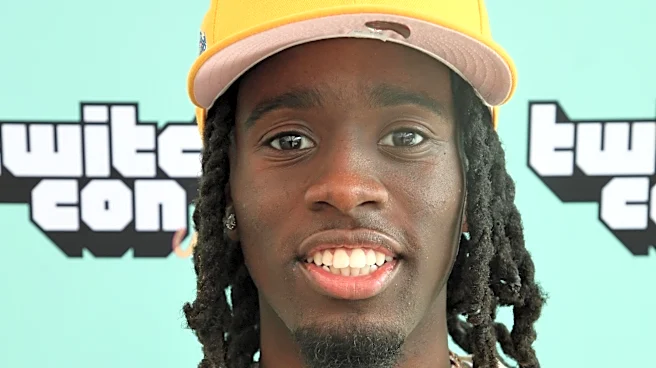
Night Media, the management firm representing content creator Kai Cenat, is seeking to have a lawsuit filed against it dismissed. The lawsuit was brought by Caleb Gottfried, who alleges he became ill while waiting to audition for 'Streamer University'
and was later featured without permission in a promotional video for the program. Gottfried claims he waited approximately 10 hours outside Manhattan's John Jay College on June 12, experiencing heat exhaustion due to insufficient water and medical staff. He further asserts that a 28-minute video of the audition, posted on YouTube on June 20, used his image to advertise 'Streamer University.' Night Media contends that Gottfried's suit fails to demonstrate the firm's responsibility for the sidewalk, the queue, or the audition logistics. The firm argues that Gottfried's brief appearance, partially obscured for one to three seconds in a crowd, does not constitute unauthorized use of his image for promotional purposes. The lawsuit names Night Media and two companies associated with Kai Cenat, but not Cenat himself. A judge has yet to rule on Night Media's request for dismissal.
Why It's Important?
This lawsuit highlights critical issues surrounding event management, participant welfare, and image rights in the rapidly evolving digital content creation industry. The allegations of inadequate provisions for attendees at a public event, such as insufficient water and medical support, raise questions about the responsibilities of organizers and associated entities. Furthermore, the dispute over whether a brief appearance in a crowd shot constitutes promotional use of an individual's image could set precedents for how content creators and their management firms handle public events and subsequent media. The outcome of this case could influence future event planning protocols and consent requirements for individuals appearing in content related to such events, particularly within the influencer and streaming sectors. It underscores the growing legal complexities as digital platforms become central to marketing and talent scouting.
What's Next?
The immediate next step in this case is the judge's decision on Night Media's motion to dismiss the lawsuit. If the motion is granted, the claims against Night Media would be permanently thrown out, preventing Gottfried from refiling the same claims against the company. If the motion is denied, the lawsuit will proceed, likely involving further legal proceedings such as discovery, depositions, and potentially a trial. This decision will significantly impact the trajectory of the case and could influence how similar legal challenges are approached in the future. Stakeholders, including other management firms and content creators, will likely monitor the outcome closely to understand the legal boundaries concerning event liability and image rights in promotional materials.
Beyond the Headlines
Beyond the immediate legal battle, this case touches upon broader ethical considerations within the influencer economy. The alleged conditions at the audition event raise concerns about the duty of care owed to aspiring participants in highly competitive fields. The allure of opportunities in content creation can lead individuals to endure challenging circumstances, and the responsibility of event organizers to ensure basic safety and well-being is paramount. Moreover, the debate over what constitutes 'promotional use' of an image in a public setting reflects the ongoing tension between public visibility and individual privacy rights in the digital age. As more events are documented and shared online, the lines between incidental appearance and commercial exploitation become increasingly blurred, necessitating clearer legal and ethical guidelines for content creators and their representatives.