





What's Happening?
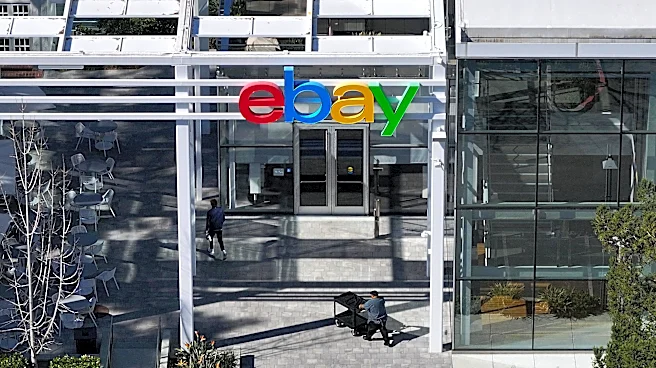
GameStop, led by Chairman and Chief Executive Officer Ryan Cohen, made a non-binding proposal on May 3, 2026, to acquire eBay for $125 per share, totaling $55.5 billion. This offer represented a 46% premium to eBay's closing price on February 4, 2026, when
GameStop began building its position in the company. The bid was structured as half cash and half new GameStop shares. At the time of the offer, GameStop's market value was $10.69 billion, significantly smaller than eBay's. eBay's board rejected the offer on May 12, deeming it 'neither credible nor attractive.' Following the rejection, GameStop's shares declined by approximately 28% since the proposal, while eBay's shares rose by about 7.6%. By August 10, Bloomberg reported that Cohen was considering a retreat from the acquisition bid, potentially exploring a store partnership instead. The bid was predicated on projected annual cost cuts of $2 billion and unmeasured growth, neither of which had been substantiated.
Why It's Important?
This attempted acquisition highlights the aggressive, yet ultimately unsuccessful, strategic maneuvers by GameStop under Ryan Cohen's leadership to diversify and expand its business beyond its traditional retail model. The significant disparity in market capitalization between GameStop and eBay raised immediate concerns about the financial viability and strategic rationale of the bid. The rejection by eBay's board underscores the perceived lack of credibility in GameStop's proposal, particularly regarding its financing structure and the ambitious cost-cutting targets. The subsequent decline in GameStop's stock price reflects investor skepticism and the market's negative reaction to the failed bid, indicating a loss of confidence in the company's ability to execute such a large-scale acquisition. Conversely, eBay's stock saw a positive bump, suggesting that shareholders viewed the rejection as a favorable outcome, avoiding a potentially disruptive and undervalued takeover.
What's Next?
Following the reported consideration of a retreat by Ryan Cohen, the immediate next steps for GameStop will likely involve a formal announcement regarding the future of its pursuit of eBay. If Cohen opts for a full retreat, GameStop will need to articulate its revised strategic direction and how it plans to achieve growth and profitability without such a major acquisition. The company may explore alternative partnerships or smaller-scale acquisitions that are more aligned with its financial capabilities and market valuation. Investors will be closely watching for any new strategic initiatives and how GameStop plans to utilize its existing capital. The performance of GameStop's stock will continue to be influenced by these developments, as the company seeks to regain investor confidence after the failed bid.
Beyond the Headlines
The GameStop-eBay saga serves as a case study in corporate acquisition strategy, particularly when a smaller entity attempts to acquire a much larger one. It underscores the importance of a credible financing plan and a clear, defensible strategic rationale for such ambitious moves. The episode also highlights the influence of activist investors and their ability to drive significant corporate actions, even if those actions do not ultimately succeed. The market's reaction to the bid and its subsequent rejection demonstrates the critical role of investor perception and confidence in the success or failure of high-stakes corporate maneuvers. This event could lead to increased scrutiny of similar 'minnow bids for whales' in the future, prompting boards to be more cautious and transparent about their strategic intentions and financial capabilities.