










What's Happening?
World Sailing, the governing body for the sport, is conducting its first-ever life cycle assessment of Olympic-class sailing equipment to understand and mitigate its environmental impact. Alexandra Rickham, the director of sustainability at World Sailing, emphasized
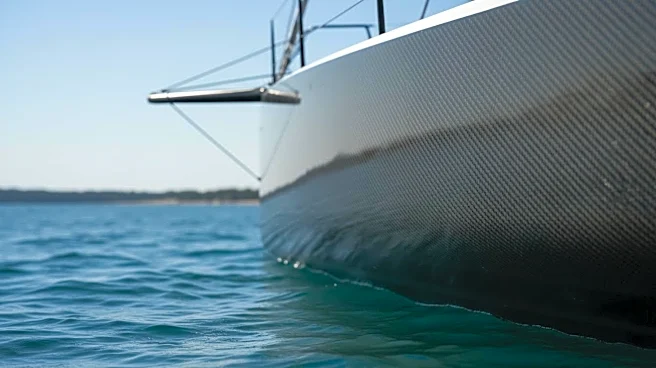
the need for this initiative, noting that while sailing is often perceived as an environmentally friendly sport, the production and disposal of its equipment involve significant industrial processes that contribute to pollution. The assessment aims to gather data on the materials used, such as carbon fiber and PVC foam, which are energy-intensive to produce and difficult to recycle. The project, supported by Marine Futures, involves collecting data from boat builders and surveying athletes about their equipment usage. The goal is to identify effective interventions to reduce the sport's environmental footprint.
Why It's Important?
This initiative is significant as it addresses the environmental challenges associated with competitive sailing, particularly at the Olympic level. By understanding the life cycle of sailing equipment, World Sailing aims to implement changes that could lead to more sustainable practices within the sport. This could have broader implications for the entire sailing community and potentially influence other sports with similar equipment challenges. The project highlights a growing awareness and responsibility within the sports industry to address environmental concerns. It also underscores the potential for sports organizations to lead by example in sustainability efforts, potentially inspiring other sectors to adopt similar practices.
What's Next?
World Sailing plans to use the data collected to implement changes by the 2032 Olympics, with some regulations possibly in place by the 2028 Los Angeles Olympics. The organization hopes to inspire broader changes across the sailing community and other sports. The findings could influence the selection of equipment suppliers and encourage the use of sustainable materials. The initiative aims to create a ripple effect, promoting sustainability in the boating industry and beyond. The project also seeks to balance environmental goals with maintaining the accessibility and affordability of the sport globally.