


What's Happening?
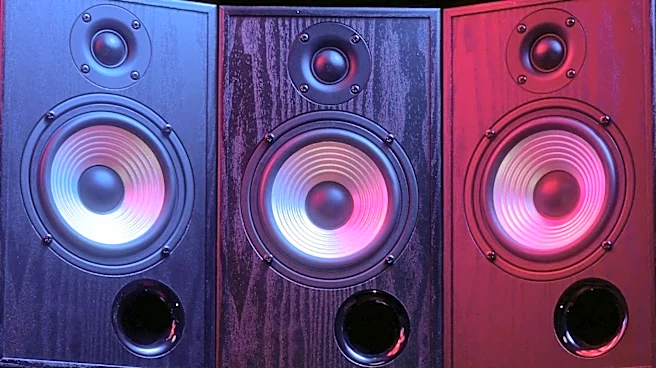
A detailed exploration of the differences between studio monitors and hi-fi speakers reveals distinct design and functional characteristics. Studio monitors are engineered for professional use, focusing on accuracy and consistency across various listening
environments. They feature advanced technologies like controlled directivity and coaxial designs to minimize room interaction and ensure precise sound reproduction. In contrast, hi-fi speakers are designed for home use, emphasizing aesthetic appeal and user customization. They often allow for personal choice in amplification and are available in a variety of finishes to suit domestic settings.
Why It's Important?
Understanding the differences between studio monitors and hi-fi speakers is crucial for both audio professionals and consumers. For professionals, the choice of equipment can significantly impact the quality of audio production, influencing the final sound of music, films, and broadcasts. For consumers, selecting the right speakers can enhance the listening experience at home, providing clarity and enjoyment. This knowledge empowers buyers to make informed decisions based on their specific needs, whether for professional studio work or personal entertainment. The insights also highlight the technological advancements in audio equipment, reflecting ongoing innovation in the industry.
Beyond the Headlines
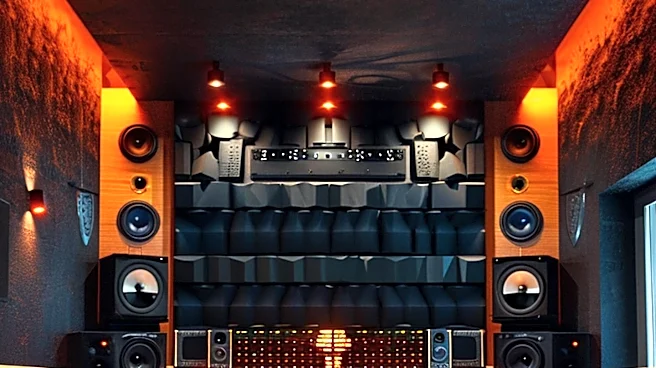
The discussion on studio monitors versus hi-fi speakers also touches on broader themes of technological integration and consumer preferences. As active speakers become more popular in the domestic market, the line between professional and consumer audio equipment is blurring. This trend suggests a shift towards more versatile audio solutions that cater to both professional and personal use. Additionally, the emphasis on room acoustics and speaker placement underscores the importance of environmental factors in achieving optimal sound quality, encouraging users to consider their listening spaces as part of the audio setup.