




What's Happening?
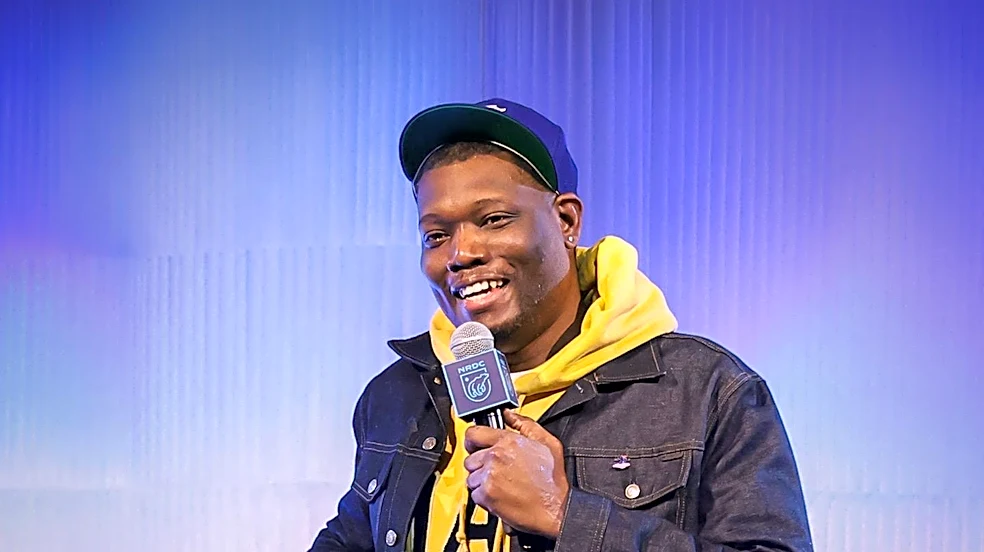
Michael Che, co-host of "Weekend Update" on "Saturday Night Live," has clarified his reaction to Shane Gillis' recent monologue on the show. This clarification came after Che's appearance on the "Today" show, where he was questioned by Laura Jarrett about
whether he laughed at Gillis' monologue. Che addressed the situation through a series of text slides shared on Instagram on October 16, stating, "folks, I just want to make one thing abundantly clear, i did NOT laugh. also, i NEVER laugh. NONE of this s--t is funny to me." He further explained that he hasn't genuinely laughed at comedy in approximately 11 years, ever since he understood how to perform it, and that any appearance of laughter is merely politeness. Che noted that his "Today" show appearance was primarily to promote his new comedy special, which also contains potentially offensive jokes, leading him to avoid criticizing other comedians' humor.
Why It's Important?
Michael Che's clarification is significant as it addresses public perception and media scrutiny surrounding controversial comedic content on a major platform like "Saturday Night Live." His statement highlights the complex dynamics within the comedy world, particularly regarding how comedians react to and support each other's material, even when it might be divisive. By explaining his personal philosophy on laughter and his professional stance on not critiquing fellow comedians, Che offers insight into the internal ethics of the comedy community. This event also underscores the increasing pressure on public figures to articulate their views on sensitive topics, especially in the age of social media where reactions are amplified and scrutinized. His comments about promoting his own special, which also features potentially offensive humor, further illustrate the delicate balance comedians must strike between artistic freedom and public accountability.
What's Next?
The clarification from Michael Che may temper some of the immediate public discussion surrounding his reaction to Shane Gillis' monologue, but it also opens up broader conversations about comedic boundaries and the role of comedians in addressing controversial material. It is unlikely to be the final word on the matter, as debates about offensive humor in comedy continue to evolve. Che's explanation might influence how other comedians choose to address similar situations in the future, potentially leading to more nuanced public statements rather than direct endorsements or condemnations. The incident also serves as a reminder of the ongoing tension between artistic expression and audience expectations, particularly for a show with the cultural prominence of "Saturday Night Live." The focus may now shift back to the content of comedy itself and how audiences and critics engage with it.
Beyond the Headlines
This incident delves into the deeper implications of comedic performance and reception in contemporary society. Michael Che's assertion that he hasn't genuinely laughed at comedy in years, viewing it from a technical rather than an emotional standpoint, offers a rare glimpse into the professional detachment some comedians develop. This perspective challenges the audience's expectation of shared amusement and highlights the craft behind comedy. Furthermore, the pressure on Che to comment on Gillis' monologue reflects a broader societal trend where public figures are increasingly expected to take moral stances on various issues, even those outside their direct purview. This blurs the lines between entertainment and social commentary, placing comedians in a position where their artistic choices are often interpreted through a socio-political lens, leading to ongoing debates about censorship, freedom of speech, and the responsibility of artists in shaping public discourse.