

What's Happening?
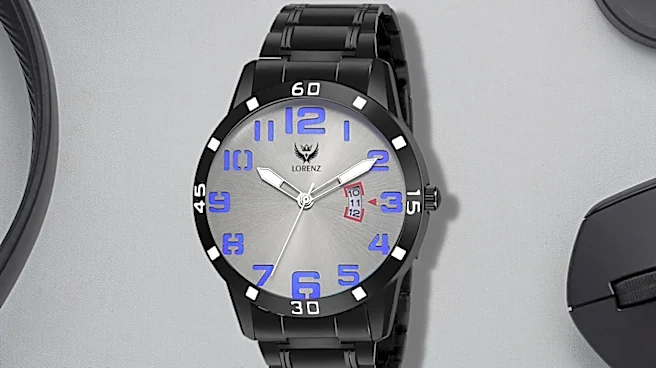
Watches have transitioned from being mere time-telling devices to significant elements of personal style in modern fashion. Despite the prevalence of smartphones for checking time, traditional watches maintain their appeal, functioning similarly to jewelry.
They convey preferences for various aesthetics, such as simplicity, sophistication, sportiness, vintage, or contemporary design, without requiring an elaborate outfit. The key to integrating a watch into an ensemble is to view it as an integral part of the overall look rather than a separate accessory. For instance, a large sports watch complements casual attire, while a slim, understated design pairs well with tailored clothing. Matching the watch to the occasion is crucial, with versatile options for everyday wear, polished designs for business or smart-casual settings, and refined choices for evening or formal events. Proportion, color coordination, and strap material are also vital considerations in styling a watch effectively.
Why It's Important?
The evolution of watches into fashion accessories highlights a broader trend in consumer behavior and the fashion industry, where utility is increasingly intertwined with personal expression. This shift impacts how consumers perceive and purchase accessories, moving beyond functional needs to aesthetic and identity-driven choices. For businesses in the watch and fashion sectors, understanding this dynamic is crucial for product development, marketing strategies, and brand positioning. It emphasizes the importance of design, versatility, and the ability of a product to integrate seamlessly into diverse personal styles. The market for watches is no longer solely driven by horological advancements but also by fashion trends, celebrity endorsements, and the desire for unique self-expression, influencing manufacturing, retail, and advertising approaches within the U.S. market and globally.
What's Next?
The trend of watches as fashion statements is likely to continue, with manufacturers focusing on diverse designs, materials, and customization options to cater to varied personal styles. We can expect to see more collaborations between watch brands and fashion designers, further blurring the lines between utility and high fashion. The emphasis on sustainability and ethical sourcing in the fashion industry may also influence watch production, leading to more eco-friendly materials and manufacturing processes. Consumers will likely seek watches that offer both aesthetic appeal and a reflection of their values. Retailers will need to adapt their merchandising strategies to present watches not just as timepieces but as essential style components, offering styling advice and curated collections to help customers integrate watches into their wardrobes effectively. The digital realm will also play a larger role, with virtual try-on experiences and AI-powered style recommendations becoming more common.
Beyond the Headlines
The transformation of watches into fashion accessories reflects a deeper cultural shift towards individualization and the curated self. In an age where digital devices provide instant information, the choice to wear a traditional watch becomes a deliberate statement about one's relationship with time, technology, and personal aesthetics. It speaks to a desire for tangible, well-crafted items that offer a sense of heritage and permanence amidst rapid technological change. This trend also underscores the psychological aspect of fashion, where accessories serve as non-verbal cues about identity, status, and belonging. The watch, in this context, transcends its functional purpose to become a symbol of personal narrative and a subtle form of self-expression, influencing how individuals present themselves in both professional and social spheres.