


What's Happening?
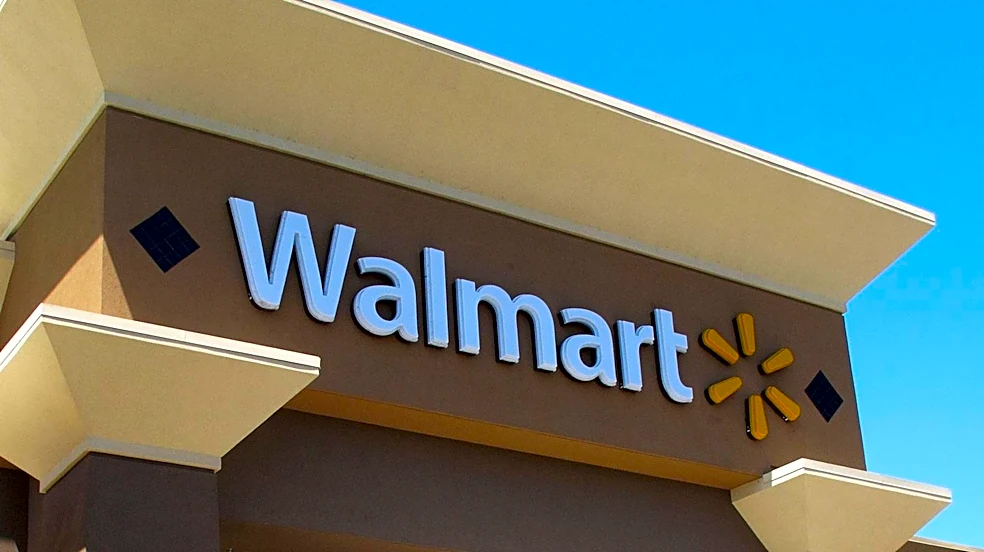
Economist Jim Paulsen, formerly chief investment strategist at The Leuthold Group, has observed a resurgence in his 'Walmart Recession Signal' since August. This signal, defined as the ratio of Walmart's stock performance to a group of stocks linked to wealthier
consumers (currently the S&P Global Luxury Index), indicates that Walmart is outperforming luxury retailers. Historically, a rising signal suggests that lower-income households are feeling economic pressure first, leading them to trade down to more affordable options like Walmart. In 2008, this signal neared its highest recorded level as the market collapsed. Paulsen notes that Walmart's shares have risen approximately 8% from their late August low, and the retailer has outperformed the luxury index by roughly 21% since August. Walmart's recent quarterly reports also indicate continued share gains across various income tiers, led by upper-income households, with revenue increasing by 5.9%. Deutsche Bank attributes this trend to inflation driving more customers to Walmart.
Why It's Important?
The 'Walmart Recession Signal' is important because it offers an alternative perspective on economic health, focusing on consumer behavior shifts that often precede broader economic downturns. A rising signal suggests that even higher-income households are beginning to prioritize value, indicating widespread economic stress. This trend could influence the Federal Reserve's monetary policy decisions, as Paulsen suggests that Walmart's recent gains might prompt the Fed to pause before further interest rate hikes, or even consider more significant policy adjustments. While Paulsen anticipates positive real GDP and believes the economy will avoid a full recession this year, he foresees a 'fairly nasty correction,' particularly in high-flying stocks. The signal highlights a potential divergence in economic performance, where value retailers thrive while other sectors face headwinds, reflecting a cautious consumer environment.
What's Next?
The future trajectory of Paulsen's 'Walmart Recession Signal' will depend on two key factors: Walmart's continued outperformance against luxury stocks and the Federal Reserve's actions at its upcoming meetings. If Walmart maintains its strong performance relative to luxury brands, it would further validate the signal's indication of ongoing consumer caution and economic stress. The Fed's response to current economic data, especially following its September interest rate increase, will be crucial. A decision to pause or reverse rate hikes could be influenced by indicators like the 'Walmart Recession Signal,' as policymakers assess the broader economic landscape and inflationary pressures. Businesses and investors will closely monitor these developments to gauge the potential for a market correction and adjust their strategies accordingly, particularly in sectors sensitive to consumer spending and interest rates.
Beyond the Headlines
Beyond its immediate implications for market performance and monetary policy, the 'Walmart Recession Signal' points to deeper societal and economic shifts. The phenomenon of upper-income households increasingly shopping at value retailers like Walmart suggests a broader erosion of purchasing power or a heightened sense of economic uncertainty across all income brackets. This could lead to a more permanent shift in consumer habits, even if a full-blown recession is avoided. The signal also underscores the growing importance of inflation as a driver of consumer behavior, forcing even affluent consumers to seek out more cost-effective options. This trend could exacerbate existing inequalities, as lower-income households, who are already disproportionately affected by inflation, face even greater pressure. The long-term implications could include a re-evaluation of brand loyalty, increased competition in the retail sector, and a sustained focus on value by consumers, potentially reshaping the retail landscape for years to come.