



What's Happening?
Jeremy Renner delivers a compelling performance in the neo-western crime film 'Wind River,' which is gaining renewed attention. The movie, directed by Taylor Sheridan, is set in the harsh and unforgiving landscape of the Wind River Indian Reservation
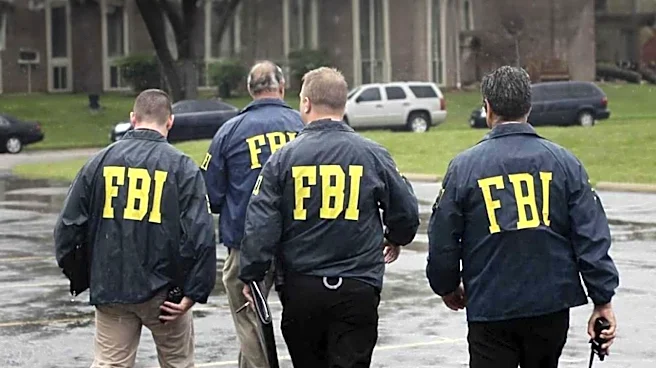
in Wyoming. Renner portrays Cory Lambert, a seasoned wildlife officer with exceptional tracking skills, who teams up with Jane Banner, an FBI agent played by Elizabeth Olsen. Together, they investigate the mysterious and brutal death of a young local woman. The film delves into the grim realities and socio-economic complexities of life on the reservation, with the environment itself acting as a formidable antagonist. Cinematographer Ben Richardson worked to ensure the landscape felt like a predator, even bringing in snow to maintain the desolate atmosphere during a delayed shoot. The narrative explores themes of justice and personal redemption amidst profound grief.
Why It's Important?
'Wind River' is significant for its stark portrayal of life on Native American reservations, offering a critical look at the despair and challenges faced by inhabitants in these often-overlooked communities. The film's critical acclaim, including an 87% approval rating on Rotten Tomatoes and a 7.7/10 on IMDb, highlights its impact as a socially resonant thriller. It provides audiences with a glimpse into the hidden corners of America's frontiers, moving beyond typical Hollywood narratives to explore deeper societal issues. The strong performances, particularly from Renner and Elizabeth Olsen, contribute to the film's emotional depth and realism, making it a powerful cinematic experience that encourages reflection on justice and the human condition in marginalized settings. The film's success underscores the audience's appetite for stories that combine compelling drama with social commentary.
What's Next?
While 'Wind River' was released previously, its continued recognition suggests a lasting impact and potential for new audiences to discover its powerful narrative. For Jeremy Renner and Elizabeth Olsen, the film further solidifies their reputations as versatile actors capable of delivering impactful performances outside of major franchises. The film's enduring critical appreciation may lead to its inclusion in film studies or discussions about social realism in cinema. Its themes of justice, grief, and the struggles of indigenous communities remain relevant, potentially sparking further dialogue and awareness about these issues. The film's success could also encourage more productions that explore similar socio-economic themes in underrepresented American communities, fostering a broader range of storytelling in the industry.
Beyond the Headlines
'Wind River' transcends its crime thriller genre by offering a profound commentary on the systemic issues affecting Native American communities, particularly the high rates of violence against indigenous women. The film subtly critiques the lack of resources and attention given to these cases, highlighting the often-overlooked struggles for justice in these areas. The desolate landscape serves as a metaphor for the isolation and hardship experienced by the characters, emphasizing the ethical dimensions of neglect and marginalization. The film's raw realism challenges viewers to confront uncomfortable truths about American society, fostering a deeper understanding of cultural and social disparities. Its long-term impact lies in its ability to provoke thought and empathy, potentially contributing to a shift in public perception and policy discussions regarding indigenous rights and safety.