




What's Happening?
The hospitality industry is seeing a growing trend called 'hushpitality,' where silence and tranquility are marketed as premium amenities. This concept, highlighted by Hilton as a key travel trend for the year, moves beyond basic quiet rooms to designing
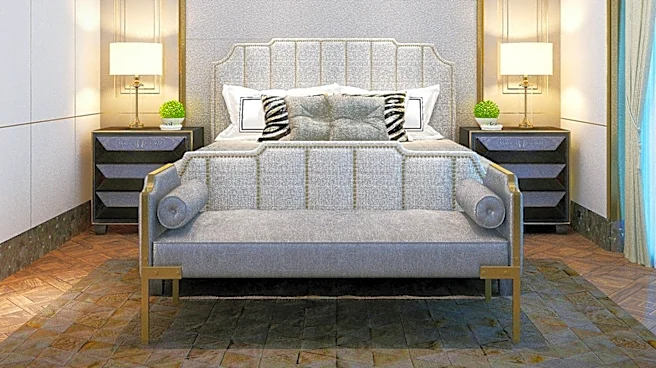
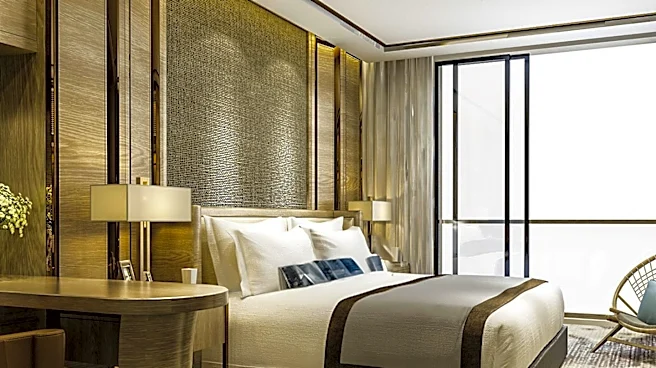
entire stays focused on calm, privacy, and disconnection. Travelers, increasingly overwhelmed by daily distractions and hyperconnectivity, are seeking vacations that offer opportunities to rest and recharge. The Hilton 2026 Trends Report, based on research from over 14,000 travelers across 14 countries, indicates that 56% of respondents prioritize rest and rejuvenation as their main motivation for leisure travel. This shift means that rest is no longer just a byproduct of a hotel stay but a core part of the value proposition, leading hotels to integrate elements like acoustically designed rooms, specialized bedding, and specific sleep programs.
Why It's Important?
The rise of 'hushpitality' signifies a significant evolution in the U.S. hospitality industry, impacting how hotels design their offerings and market to consumers. This trend aligns with the broader wellness tourism movement, where travelers are increasingly investing in experiences that promote mental and physical well-being. For hotels, particularly boutique establishments, embracing 'hushpitality' offers a unique competitive advantage, allowing them to differentiate themselves by providing a restorative experience rather than solely focusing on traditional luxury amenities. This shift could lead to new revenue streams through specialized 'deep rest' packages and a re-evaluation of hotel design to prioritize soundproofing, lighting, and ambiance. Consumers stand to gain from more tailored and peaceful travel options, while hotels that successfully integrate this concept can attract a growing segment of travelers seeking genuine disconnection and tranquility.
What's Next?
As 'hushpitality' gains momentum, hotels are expected to further innovate in creating silent and restorative environments. This could involve developing more sophisticated soundproofing technologies, designing dedicated 'no-call' or 'no-meeting' zones, and offering personalized wellness programs centered around sleep and relaxation. Travel agencies and online travel agencies (OTAs) may begin to incorporate 'silence' as a searchable criterion, allowing travelers to filter accommodations based on their desire for tranquility. Hotels will need to clearly communicate their 'hushpitality' offerings, ensuring that promises of quiet and disconnection are credible and measurable. The trend also suggests a continued evolution of sleep tourism, moving beyond just comfortable mattresses to a holistic approach that considers temperature, light, noise, and overall ambiance as crucial elements for a restorative stay.
Beyond the Headlines
The 'hushpitality' trend reflects a deeper societal yearning for respite from constant digital stimulation and the pressures of modern life. It highlights a cultural shift where luxury is increasingly defined not by opulence or excess, but by the absence of unwanted stimuli and the opportunity for genuine introspection and peace. This could have long-term implications for urban planning and architectural design, encouraging the creation of more serene public and private spaces. Ethically, it raises questions about accessibility, as premium silence might become a luxury only available to those who can afford it. Culturally, it underscores a growing appreciation for mindfulness and the importance of mental well-being, potentially influencing workplace environments and daily routines to incorporate more moments of quiet and disconnection.