







What's Happening?
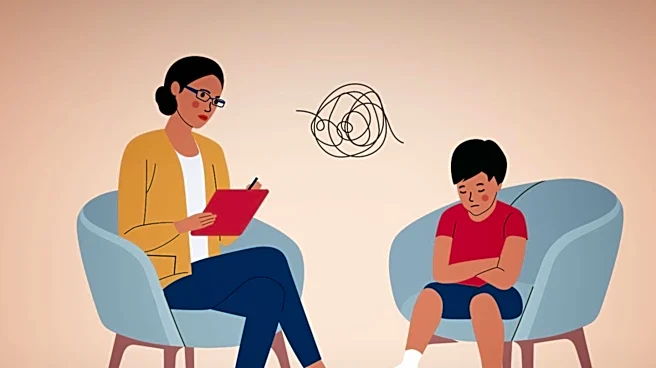
Parenting burnout is identified as a distinct syndrome characterized by intense physical, emotional, and mental exhaustion resulting from chronic parenting stress. It is not yet a standalone diagnosis in the DSM-5 or ICD-11 but is recognized in clinical
research. Key symptoms include overwhelming exhaustion, emotional distancing from children, loss of fulfillment in parenting, and a painful contrast between past and current parenting performance. Additional signs include chronic irritability, frequent conflicts with partners, sleep difficulties, social withdrawal, and avoiding parenting tasks. The Parental Burnout Assessment (PBA), a validated 23-item questionnaire, is used by mental health professionals to assess the condition. Treatment typically involves practical restructuring of daily routines, building in rest periods, fostering social support, individual therapy (CBT and ACT), and couples or family counseling to address imbalances in responsibilities.
Why It's Important?
The recognition and treatment of parenting burnout are crucial for the well-being of families and the healthy development of children in the U.S. Unaddressed parenting burnout can lead to significant emotional and psychological distress for parents, impacting their ability to provide nurturing care. Emotional distancing and loss of fulfillment can strain parent-child relationships, potentially affecting children's emotional security and development. The emphasis on practical restructuring, social support, and various forms of therapy highlights a comprehensive approach to mental health that acknowledges the unique pressures faced by parents. By addressing this syndrome, society can support stronger family units, reduce the long-term societal costs associated with mental health issues, and foster environments where both parents and children can thrive. Early intervention is particularly important to restore emotional connection and prevent lasting negative effects on family dynamics.
What's Next?
The ongoing research and clinical recognition of parenting burnout suggest a growing understanding of its impact and the need for specialized interventions. Future developments may include further integration of parenting burnout into diagnostic frameworks, leading to more standardized assessment and treatment protocols. Increased awareness campaigns could help parents recognize symptoms earlier and seek help without stigma. The multi-faceted treatment approach, combining individual and family therapy with practical and social support, indicates a trend towards holistic care. This could lead to the development of more community-based programs and resources tailored to the specific needs of burned-out parents, aiming to prevent severe cases and promote healthier family functioning across the U.S.
Beyond the Headlines
The emergence of parenting burnout as a recognized syndrome reflects broader societal shifts, including increased demands on parents, often without adequate support structures. It highlights the need to re-evaluate societal expectations of parenting and the resources available to families. The emphasis on practical restructuring and equitable division of labor in couples counseling points to underlying issues of gender roles and work-life balance that contribute to parental stress. This discussion could spark conversations about policy changes, such as improved parental leave, affordable childcare, and flexible work arrangements, to alleviate some of the systemic pressures on parents. Recognizing parenting burnout also destigmatizes parental struggles, encouraging open dialogue and fostering a more supportive community environment for raising children.