







What's Happening?
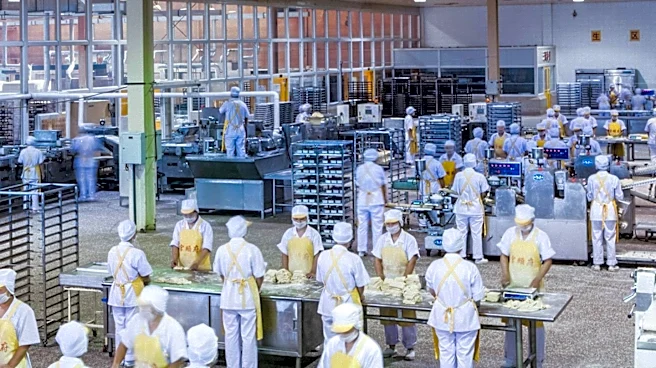
Minnesota holds the top position among U.S. states in turkey production, with its industry deeply connected to Jennie-O, a prominent turkey brand owned by Hormel Foods. Jennie-O's primary operations are concentrated in Willmar, located in Kandiyohi County
in west-central Minnesota. Hormel Foods, the parent company, is also based in Minnesota, with its headquarters situated in Austin, in the southern part of the state near the Iowa border. The U.S. turkey farming industry is not uniformly distributed across the country but is instead concentrated in specific states, including Minnesota, North Carolina, Iowa, South Dakota, Pennsylvania, Ohio, Arkansas, Indiana, and Virginia. Each of these states contributes uniquely to the national turkey supply, with their roles defined not only by the number of birds raised but also by the presence of major companies, processing facilities, and regional farming concentrations. For instance, Butterball's headquarters are in Garner, North Carolina, and it operates a processing plant in Carthage, Missouri, while Arkansas's turkey production is centered in its northwest poultry belt.
Why It's Important?
The concentration of turkey production in specific states, particularly Minnesota's leading role, highlights the regional specialization within the U.S. agricultural sector. This geographic clustering, often tied to major food corporations like Hormel Foods and its Jennie-O brand, influences local economies, employment, and agricultural practices. Minnesota's dominance in turkey farming means that economic shifts, environmental regulations, or disease outbreaks within the state could have significant ripple effects on the national turkey supply and pricing. Furthermore, the presence of major processing plants and corporate headquarters in these key states underscores the integrated nature of the food supply chain, where farming, processing, and distribution are often co-located or closely linked. This structure can create efficiencies but also vulnerabilities, as disruptions in one region or company can impact the broader market. The distinct production profiles of each state also reflect varying operational strategies and market focuses within the industry.
What's Next?
The U.S. Department of Agriculture's National Agricultural Statistics Service (NASS) will continue to monitor and report on state turkey production through its annual 'Turkeys Raised' report. These reports provide current data on head counts, pounds, and dollar values, which are crucial for industry stakeholders, policymakers, and consumers. Future trends in turkey production will likely be influenced by consumer demand for poultry products, advancements in farming technology, and potential shifts in corporate strategies by major players like Hormel Foods. Changes in feed costs, labor availability, and trade policies could also impact the production landscape in leading states like Minnesota. Additionally, ongoing efforts to manage animal health and environmental sustainability within concentrated farming regions will remain a key focus for the industry and regulatory bodies.
Beyond the Headlines
The deep integration of corporate entities like Hormel Foods with state-level agricultural production, as seen with Jennie-O in Minnesota, illustrates the evolving landscape of American farming. This model often leads to highly efficient, large-scale operations but also raises questions about local control, environmental impact, and the economic resilience of smaller, independent farms. The concentration of production in a few states can create a monoculture effect, where regional economies become heavily reliant on a single agricultural commodity, making them susceptible to market fluctuations or industry-specific challenges. Furthermore, the branding and marketing efforts of companies like Jennie-O play a significant role in shaping consumer preferences and the overall demand for turkey products, influencing production decisions from the farm level up. This interconnectedness highlights the complex interplay between corporate strategy, agricultural policy, and regional economic development in the U.S. food system.