





What's Happening?
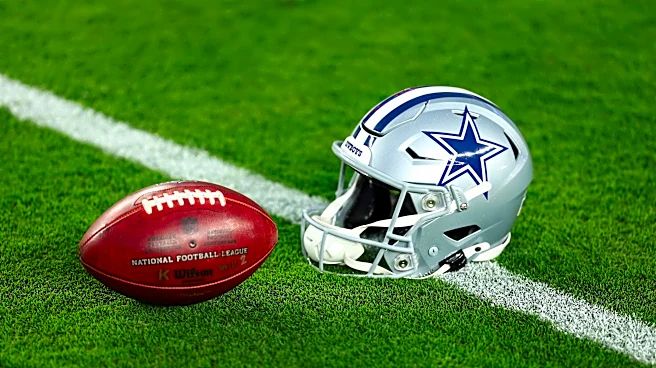
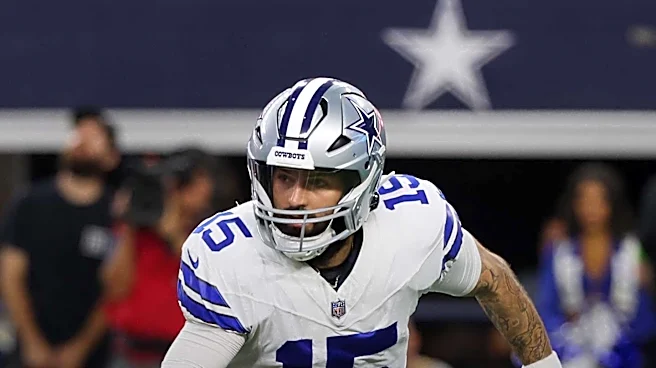
Dallas Cowboys owner Jerry Jones has indicated that the NFL might be considering a shift towards incorporating more geographic rivalries into its scheduling. During an appearance on 105.3 The Fan in Dallas, Jones expressed a desire for the Cowboys to play
the Houston Texans more frequently, noting that the two teams have only met seven times since the Texans joined the league in 2002. He suggested that the league is exploring the possibility of fostering 'my town against your town' rivalries, particularly between teams from opposing conferences. Jones believes this concept, which he sees as fundamental to football, could extend beyond just Dallas and Houston to encompass the entire league, citing the existing rivalry between Cleveland and Pittsburgh as an example of the appeal of proximity-based matchups. This potential change could significantly alter the current scheduling rotation, which prioritizes fair and complete competition across the league.
Why It's Important?
Embracing geographic rivalries could have a substantial impact on the NFL's appeal and revenue. By creating more frequent matchups between teams in close proximity but in different conferences, the league could tap into existing local pride and intensify fan engagement. This strategy could lead to increased viewership, higher ticket sales, and more lucrative marketing opportunities, as these games would naturally generate heightened interest and local buzz. For teams like the Cowboys and Texans, more regular contests would foster a stronger regional rivalry, potentially boosting their respective fan bases and local market penetration. The move could also provide a compelling narrative for an expanded season, such as an 18-game or even 19-game schedule, offering a structured way to add meaningful interconference games beyond the current rotational system. This shift could redefine how the NFL leverages regional identity to enhance its product.
What's Next?
If the NFL decides to move forward with incorporating geographic rivalries, it would need to address several logistical challenges. The league would have to identify a suitable annual rival for each team, which might involve some forced pairings for teams without an obvious geographic counterpart, such as the Cardinals or the Bills. The current scheduling rotation, designed for competitive balance, would need to be re-evaluated to accommodate these new rivalries. There's also the potential for these games to be scheduled on specific weekends each year, possibly accompanied by special marketing campaigns and merchandise, similar to how the league promotes other major events. The financial implications, particularly the potential for increased revenue through enhanced fan interest and marketing, would likely be a significant driver for such a change, making it more probable if it can be framed as a moneymaker.
Beyond the Headlines
The concept of geographic rivalries touches upon the cultural essence of American football, which often thrives on local identity and community pride. By formalizing these 'my town against your town' matchups, the NFL could reinforce the sport's grassroots appeal and connection to local communities. This approach could also serve as a counter-balance to the increasingly globalized nature of sports, bringing a renewed focus on regional identity. While the current scheduling aims for competitive fairness, a shift towards geographic rivalries could introduce a different kind of competitive dynamic, where regional bragging rights become a more prominent stakes. This could lead to a more emotionally charged and engaging regular season, potentially creating new traditions and narratives that resonate deeply with fans across the country.