







What's Happening?
Two veterans from rival northern Minnesota hockey towns, Rodney Paulson of Roseau and Jim Jaros of Warroad, developed an unexpected friendship during an Honor Flight trip to Washington D.C. The men, who had never met before, were assigned to share a room
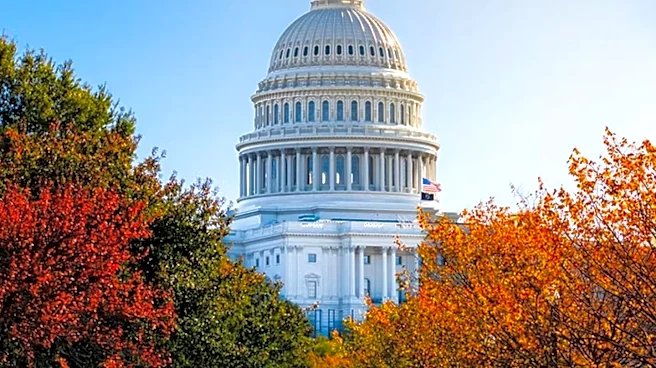
on the trip. Roseau and Warroad, located 26 miles apart, have a decades-long hockey rivalry, known as 'Minnesota's Greatest Hockey Rivalry.' Despite their towns' competitive history, including Warroad's recent Class A state hockey championship win over Roseau, the two veterans engaged in good-natured sparring rather than conflict. Paulson, an Army veteran, and Jaros, a Navy veteran, discovered shared acquaintances and discussed their hockey backgrounds, with Paulson having played goalie in Roseau's recreational leagues and Jaros having played for much of his life, including with Roseau's old-timers. The camaraderie extended throughout the trip, culminating in them shaking hands on the steps of the Lincoln Memorial.
Why It's Important?
This story highlights the power of shared experiences and personal connection to bridge long-standing rivalries, even those deeply ingrained in community identity like the Roseau-Warroad hockey competition. It underscores the human element often overlooked in competitive narratives, demonstrating that individuals from opposing sides can find common ground and friendship. For the communities involved, it offers a perspective beyond the win-loss record, emphasizing sportsmanship and mutual respect. The Honor Flight context further amplifies this, as veterans from diverse backgrounds come together to be recognized for their service, fostering a sense of unity that transcends local divisions. This narrative can serve as a positive example for other communities with intense rivalries, suggesting that personal interactions can soften competitive edges and build unexpected bonds.
What's Next?
The newfound friendship between Rodney Paulson and Jim Jaros is expected to continue, with the men discussing staying in touch after the Honor Flight. This personal connection could potentially influence future interactions between individuals from Roseau and Warroad, fostering a more amicable atmosphere even amidst their ongoing hockey rivalry. The story also subtly introduces a new layer to the rivalry dynamic, as Rodney Paulson jokingly declared Moorhead as Roseau's new enemy after learning the reporter was from there, indicating the fluid nature of such competitive sentiments. The reporter plans to send Paulson a complimentary copy of a book about Moorhead Spud hockey, which could further engage these community figures in a broader discussion about Minnesota hockey history and rivalries.
Beyond the Headlines
The narrative extends beyond a simple sports rivalry, touching upon themes of veteran camaraderie and the unifying experience of the Honor Flight. It subtly explores how shared national service can create bonds that transcend local loyalties and competitive histories. The interaction between Paulson and Jaros, initially defined by their towns' rivalry, evolves into a personal connection built on mutual respect and shared experiences as veterans. This suggests a deeper societal implication: that common ground, particularly through significant life events like military service, can override superficial divisions. The story also implicitly comments on the nature of community identity, where sports rivalries, while intense, can coexist with personal friendships and a broader sense of shared humanity.