


What's Happening?
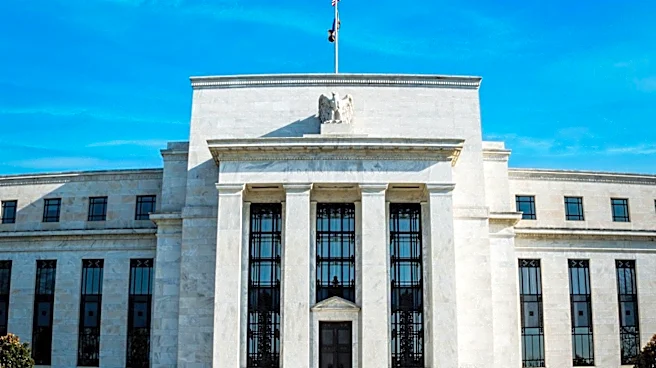
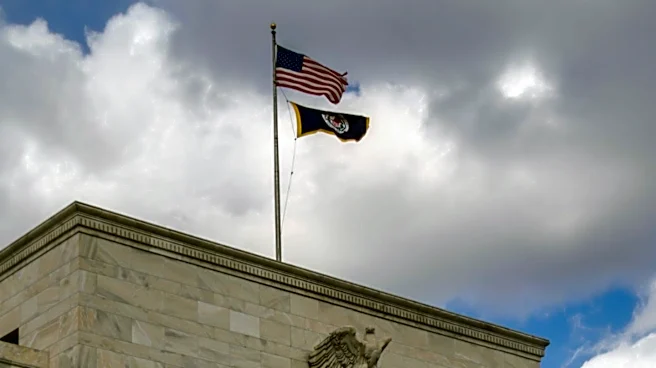
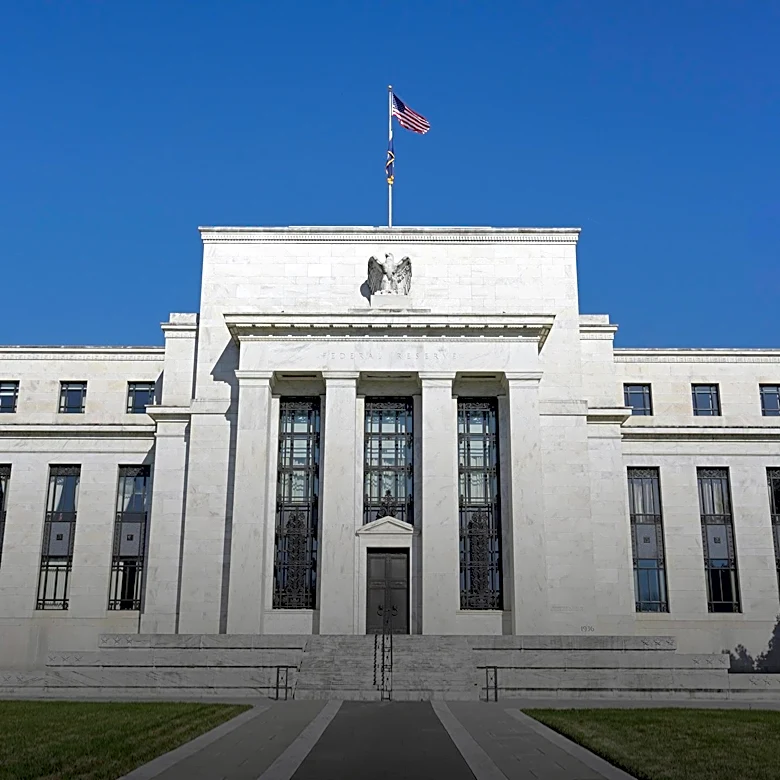
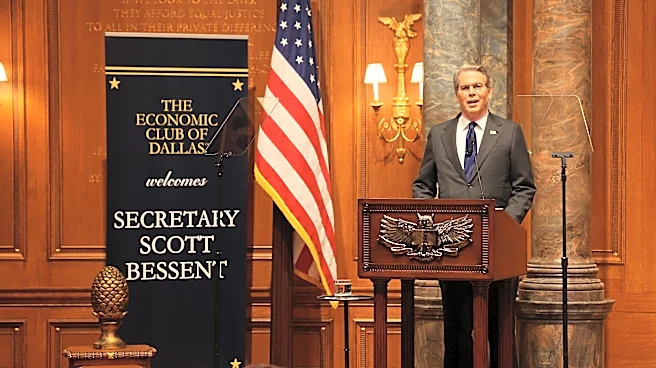
U.S. Treasury Secretary Scott Bessent has publicly cautioned the Federal Reserve against over-tightening monetary policy, suggesting that such actions could lead to a policy mistake. Speaking on CBS’s “Face the Nation,” Bessent highlighted that the U.S. financial
environment has already tightened significantly in recent months. He noted that many observers believe the Federal Reserve might be making an error by tightening too much, especially as some Federal Reserve officials have signaled a hawkish stance, with some even suggesting a 50-basis-point rate hike in December. Bessent's concerns are not new; he previously stated in a CNBC interview on November 13 that aggressive rate hikes would be a mistake if energy supply shocks, which contribute to inflation, are easing. He also emphasized that recent inflation data contains considerable noise and should not be overinterpreted. On November 20, he reiterated his call for policymakers to avoid larger rate hikes, pointing out that a Federal Reserve governor advocating for a 50-basis-point increase had previously supported an equal-sized cut. Bessent's position reflects the views of the U.S. Department of the Treasury, distinct from the Federal Reserve's independent role in setting interest rates.
Why It's Important?
Secretary Bessent's warning is significant because it highlights a potential divergence in economic policy perspectives between the U.S. Treasury and some factions within the Federal Reserve. The Treasury's concern about over-tightening suggests a focus on preventing an economic slowdown, while the Federal Reserve's primary mandate is price stability, often necessitating interest rate adjustments to combat inflation. If the Federal Reserve were to tighten monetary policy excessively, it could lead to a recession, increased unemployment, and a contraction in economic growth, impacting businesses and consumers across the U.S. Conversely, if inflation remains unchecked, it erodes purchasing power and economic stability. The debate over the appropriate pace and extent of rate hikes directly affects borrowing costs for businesses and individuals, investment decisions, and the overall health of the U.S. stock market. The current market uncertainty, partly driven by concentrated selling of AI-related stocks and hawkish signals from the Fed, underscores the sensitivity of the economy to these policy decisions. The outcome of this debate will determine the trajectory of the U.S. economy in the coming months.
What's Next?
The Federal Reserve's next interest rate decision is approaching, and market participants will be closely monitoring upcoming inflation data and further statements from Fed officials. The market had previously priced in a 25-basis-point rate hike in December, with some probability of a 50-basis-point increase. However, recent declines in U.S. stocks have led traders to reduce their bets on aggressive rate increases. Currently, the interest rate market anticipates fewer than three future rate hikes, with the next fully priced in for January 2027, and rate cut expectations pushed back to 2028. If the U.S. stock market correction deepens, the possibility of the Fed holding rates steady in December may be revisited. Despite Bessent's concerns, some Wall Street bond strategists continue to favor curve-flattening trades, betting on continued Fed rate hikes to push up short-term U.S. Treasury yields. The key issue for the December meeting will be whether the Fed prioritizes its inflation target, potentially at the cost of economic slowdown, or heeds warnings about over-tightening. This divergence will continue to influence U.S. Treasury yields, the shape of the yield curve, and equity market risk appetite.
Beyond the Headlines
The tension between the U.S. Treasury's concerns about economic growth and the Federal Reserve's mandate to control inflation reflects a perennial challenge in economic policymaking. While the Federal Reserve operates independently, public warnings from the Treasury Secretary can exert political pressure and influence market expectations. The debate also highlights the difficulty in interpreting economic data, particularly inflation, which Bessent argues contains significant noise. This complexity can lead to differing views on the appropriate policy response, with potential long-term implications for the U.S. economy's resilience and competitiveness. The market's reaction, including the performance of U.S. stocks and the yield curve, serves as a real-time barometer of investor confidence in these policy decisions. An inverted yield curve, a historical indicator of impending economic recession, remains a point of discussion among analysts, underscoring the high stakes involved in the Federal Reserve's upcoming decisions and the broader economic outlook.