







What's Happening?
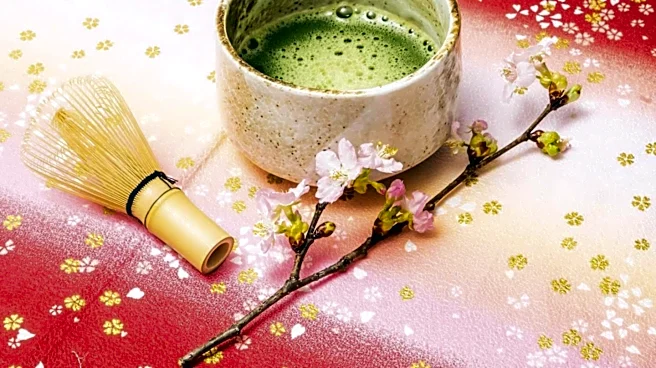
Japanese tea ceremonies, known as chanoyu or the 'way of tea,' provide a transformative cultural experience in Japan, particularly in Kyoto. These ceremonies are not mere performances but are deeply rooted in hospitality, tranquility, and mindfulness,
shaped by centuries of tradition and Zen Buddhist influence. Visitors can participate in traditional gatherings at locations like Kyoto’s Kodai-ji Temple or Kanazawa’s Nomura Family Samurai Residence, guided by expert tea masters. The ritual involves precise movements, the careful preparation of matcha, and a focus on subtle details like the sound of the kettle and the arrangement of seasonal flowers in the tokonoma alcove. Guests are encouraged to slow down, observe, and appreciate the moment, with etiquette emphasizing respect, quietness, and careful handling of utensils. Private or small-group sessions are available, often with English support, to ensure an intimate and accessible experience for international travelers.
Why It's Important?
For U.S. travelers, engaging in a Japanese tea ceremony offers a unique opportunity for profound cultural immersion and a practice in mindfulness, which is increasingly valued in contemporary society. In a world often characterized by speed and constant stimulation, the tea ceremony provides a deliberate counterpoint, encouraging presence and quiet contemplation. This experience can foster a deeper understanding of Japanese aesthetics, philosophy, and the importance of ritual in daily life. Economically, these ceremonies contribute to Japan's cultural tourism sector, supporting traditional arts, crafts (like tea utensils), and local guides. For the individual, learning to appreciate the subtle nuances and the structured calm of the ceremony can translate into a greater capacity for focus and appreciation in their own lives. The availability of tailored experiences, including hands-on workshops and English interpretation, makes this rich cultural heritage accessible to a broader international audience, enhancing cross-cultural dialogue and appreciation.
What's Next?
As global interest in authentic cultural experiences and wellness travel continues to grow, Japanese tea ceremonies are likely to see increased demand from international visitors. Operators will probably continue to refine offerings, providing more personalized and exclusive sessions, potentially integrating them into broader wellness or cultural immersion retreats. There may be an expansion of online resources and preparatory materials to help visitors understand etiquette and the deeper meaning of the ceremony before their arrival, enhancing their experience. The focus on seasonal themes and the connection to nature will remain a key aspect, potentially leading to more specialized seasonal ceremonies. Furthermore, the concept of 'the way of tea' as a path to mindfulness could be promoted more widely, appealing to those seeking personal development through cultural practices. The preservation of historical tea houses and the training of new tea masters will be crucial to maintaining the authenticity and quality of these experiences.
Beyond the Headlines
The Japanese tea ceremony, at its core, is a profound lesson in 'doing less, more thoughtfully.' It challenges the modern inclination towards efficiency and immediate gratification, instead advocating for a deliberate, unhurried approach to even the simplest actions. This practice can have a lasting psychological impact, teaching participants to find meaning and beauty in ordinary moments and fostering a sense of inner calm. The four principles of the way of tea—harmony, respect, purity, and tranquility—are not just guidelines for the ceremony but can serve as a framework for living. By observing these principles, even as a temporary guest, one engages in a form of ethical interaction that prioritizes collective well-being and mutual respect. The ceremony's emphasis on silence and subtle communication also highlights the power of non-verbal cues and shared presence, offering a unique perspective on human connection that transcends language. It's a reminder that true luxury can often be found in simplicity, attention, and the quiet art of being present.