



What's Happening?
Delta Air Lines CEO Ed Bastian has expressed the company's ambition to be recognized among the world's top premium airlines, such as Singapore Airlines, Qatar Airways, and Emirates. This goal signifies Delta's long-term strategy to enhance its international
reputation beyond its strong domestic standing. However, industry observers and critics argue that Delta's current customer experience, service consistency, premium products, and operational reliability do not yet meet the standards set by these globally acclaimed carriers. While Delta has built a strong brand in North America through friendly employees, a premium marketing strategy, and a large network, its actual onboard experience and operational performance have drawn criticism. For instance, Delta's SkyMiles loyalty program is often criticized for limited redemption value, and its operational reliability has declined, with nearly 3% of flights canceled in July, performing worse than some competitors.
Why It's Important?
This ambition from Delta's CEO highlights a significant strategic shift for a major U.S. airline, aiming to elevate its brand and service to a global premium standard. If successful, it could redefine expectations for U.S. carriers in the international market, potentially leading to increased competition and improved services across the industry. For consumers, this could mean a more luxurious and consistent travel experience on Delta, but also raises questions about whether the airline can deliver on this promise without significantly overhauling its current offerings and operational efficiency. The comparison with airlines like Singapore Airlines, known for meticulous attention to detail and consistent service across all cabins, underscores the high bar Delta is setting for itself. Failure to meet these expectations could damage its brand perception, while success could solidify its position as a leading global airline, attracting more international travelers and boosting its market share.
What's Next?
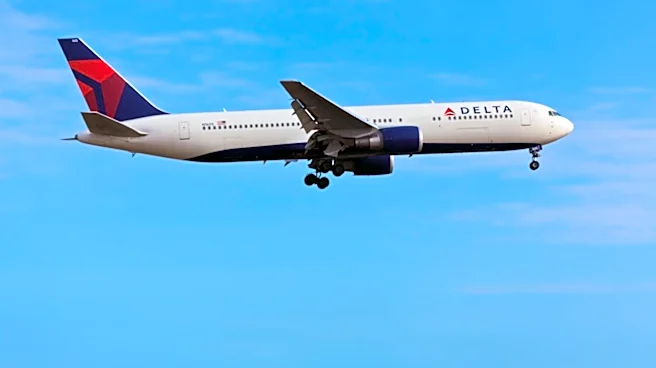
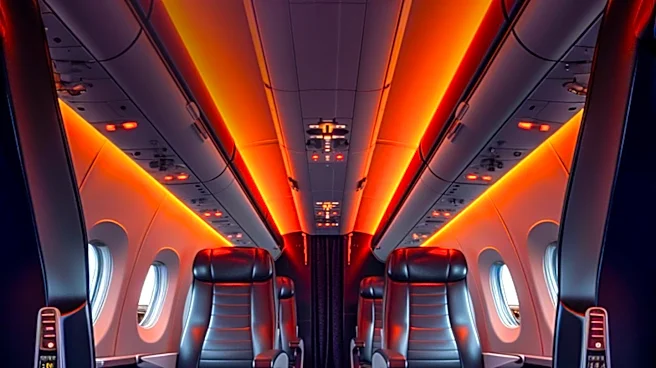
To achieve its goal of rivaling global premium airlines, Delta Air Lines will likely need to address several key areas. This includes accelerating the modernization of older aircraft cabins, particularly the Boeing 767 business class, to ensure a consistent premium product across its long-haul fleet. The airline must also restore its industry-leading operational reliability, which has seen recent declines, by resolving labor-related issues and improving overall efficiency. Furthermore, Delta will need to enhance the consistency of its catering, bedding, and onboard service, and deliver greater attention to detail even in economy class. Strengthening the value proposition of its SkyMiles loyalty program will also be crucial to align its premium branding with the actual customer experience. These improvements will be essential for Delta to genuinely compete with and be recognized alongside the world's leading airlines.
Beyond the Headlines
Delta's aspiration to compete with top-tier global airlines like Singapore Airlines touches upon broader themes of brand perception versus reality in the airline industry. While Delta has successfully cultivated a premium image in the U.S., critics suggest this perception is often stronger than the actual onboard experience. This discrepancy highlights the challenge for airlines in balancing marketing efforts with tangible service delivery. The emphasis on consistency and attention to detail by airlines like Singapore Airlines, even in economy class, sets a benchmark that goes beyond luxurious premium cabins. For Delta, achieving this level of excellence would require a cultural shift towards a more holistic approach to customer experience, impacting everything from employee training to product design. This pursuit could also influence other U.S. carriers to re-evaluate their service standards in an increasingly competitive global aviation landscape.