



What's Happening?
A brass Yale key to Sir Paul McCartney's childhood home at 20 Forthlin Road in Liverpool has been sold for £6,100 at auction by UK auctioneers Dominic Winter. This price significantly exceeded its pre-sale estimate of £2,000 to £3,000. The key was acquired
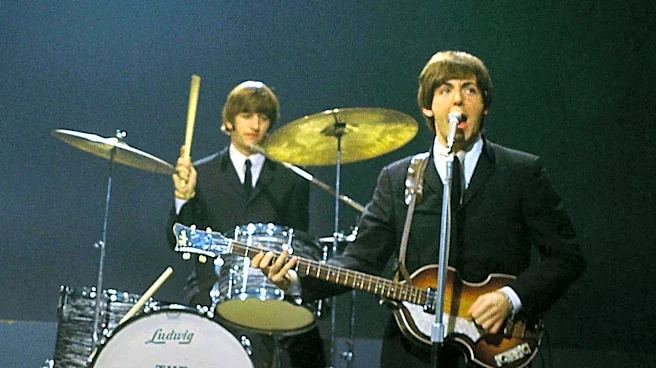
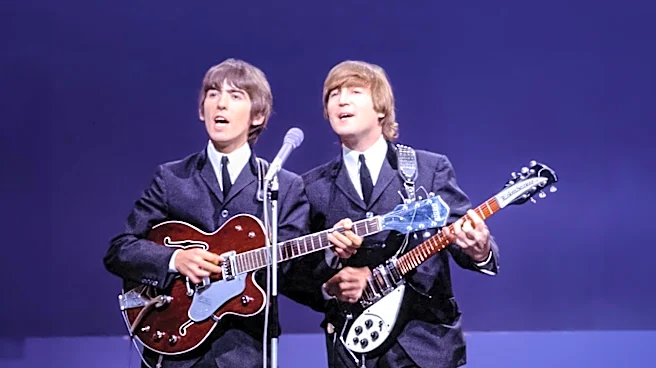
by a private collector and was accompanied by a period photograph and a three-page letter from a former occupant. Sir Paul McCartney lived in this house with his parents, Mary and Jim McCartney, and his younger brother Mike, from 1955 until late 1963. It was during this period that he learned various instruments and wrote songs with John Lennon, making early recordings with The Beatles. The house, built in 1949, has been owned by the National Trust since 1995. The key originally came into the possession of 13-year-old Beatles fan Kathleen Salt (née Duffy) from New York, after she wrote a letter to the occupant. Ashley Jones, who owned the house after the McCartneys, sent her the key, believing it might have been Sir Paul's.
Why It's Important?
The sale of this key underscores the enduring global appeal and historical significance of The Beatles, particularly in the United States, where 'Beatlemania' had a profound cultural impact. For fans and collectors, owning a tangible piece of Sir Paul McCartney's formative years offers a direct connection to the origins of one of the most influential musical groups in history. The high auction price reflects the strong market for memorabilia associated with The Beatles, indicating that items with personal links to the band's early life command significant value. This event also highlights the role of dedicated fans, like Kathleen Salt from New York, in preserving and circulating such historical artifacts, inadvertently contributing to their future market value and cultural narrative. The continuous interest in such items demonstrates how The Beatles' legacy transcends generations, maintaining a strong presence in popular culture and the collectibles market.
What's Next?
The sale of this key is likely to further stimulate interest in Beatles memorabilia, potentially driving up the value of other personal artifacts related to the band members' early lives. Auction houses may see an increase in similar items being brought to market, as owners recognize the significant financial and historical value these pieces hold. For the private collector who purchased the key, its future display or inclusion in a collection will contribute to the ongoing narrative of The Beatles' history. The National Trust, which owns the house at 20 Forthlin Road, will continue to preserve the property as a significant historical site, attracting fans and tourists who seek to connect with the band's origins. This event reinforces the cultural and economic importance of preserving and celebrating the history of iconic figures like Sir Paul McCartney and The Beatles.
Beyond the Headlines
This auction transcends a simple transaction, touching upon themes of cultural heritage, fan devotion, and the commodification of personal history. The key, a mundane object, transforms into a powerful symbol of a musical revolution, representing the humble beginnings of a global icon. It highlights how personal connections, even through a fan letter, can lead to the preservation of historical artifacts. The story also subtly reflects the broader phenomenon of 'Beatlemania' and its lasting impact, particularly in the U.S., where fans like Kathleen Salt actively sought connections with their idols. The value placed on such an item speaks to a collective desire to touch, own, and remember the origins of cultural phenomena, making it more than just a key, but a tangible link to a pivotal moment in music history and a testament to the enduring power of celebrity and nostalgia.