








What's Happening?
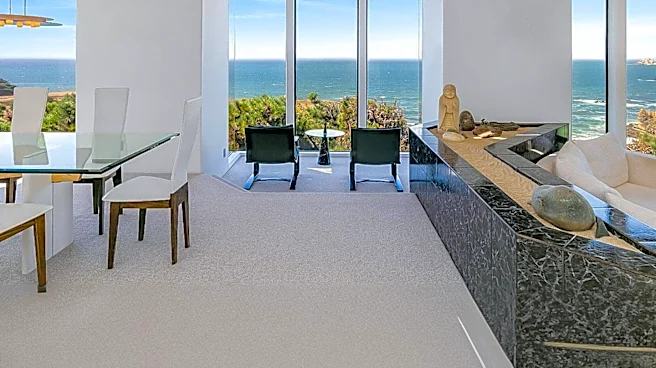
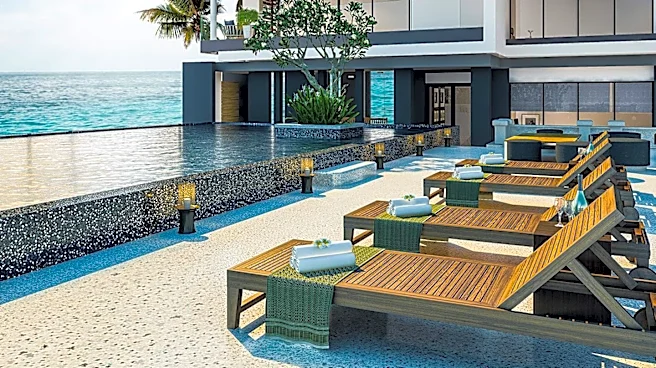
Real estate developers are increasingly focusing on 'longevity residences,' a new trend in luxury housing that integrates wellness-oriented features into residential living. These developments aim to cater to the growing demand for health and wellness amenities
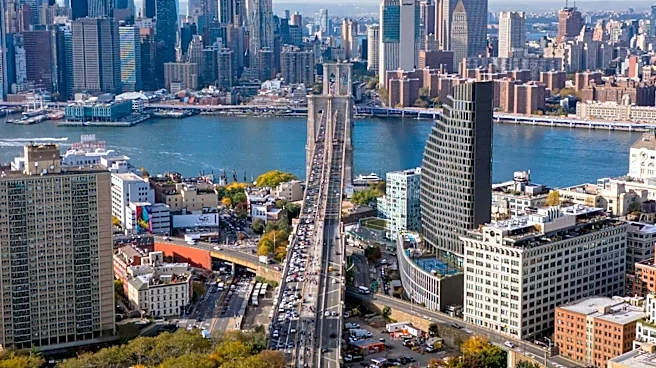
that support a longer, healthier life. According to Newsweek, these residences offer facilities such as in-home oxygenation systems, sound baths, IV therapy, and on-demand spa services. The concept is gaining traction as healthspan, the number of years a person enjoys good health, becomes a more significant benchmark than lifespan. Developers like Dev Motwani of Merrimac Ventures and Bryan Grandison of Extell Development Company are leading this trend, emphasizing the integration of wellness into everyday living. Projects like the Four Seasons Resort and Residences in Telluride and properties in New York City are examples of this shift, offering residents a lifestyle where wellness is seamlessly woven into their daily routines.
Why It's Important?
The rise of longevity residences reflects a broader societal shift towards prioritizing health and wellness in everyday life. This trend has significant implications for the real estate market, as developers and investors recognize the growing consumer demand for homes that support a healthy lifestyle. By integrating wellness features into residential developments, these projects not only cater to health-conscious buyers but also set a new standard for luxury living. This shift could lead to increased property values and attract a demographic willing to invest in their long-term well-being. Additionally, the focus on healthspan over lifespan highlights a cultural change in how people perceive aging and health, potentially influencing public policy and healthcare priorities.
What's Next?
As the market for longevity residences expands, developers are likely to continue innovating and incorporating new wellness technologies and services into their projects. This could include advancements in personalized health monitoring, sustainable building practices, and community-focused wellness programs. The success of these developments may prompt other sectors, such as healthcare and technology, to collaborate with real estate companies to enhance the wellness offerings available to residents. Furthermore, as consumer expectations evolve, there may be increased pressure on traditional residential developments to adopt similar wellness-oriented features to remain competitive.