


What's Happening?
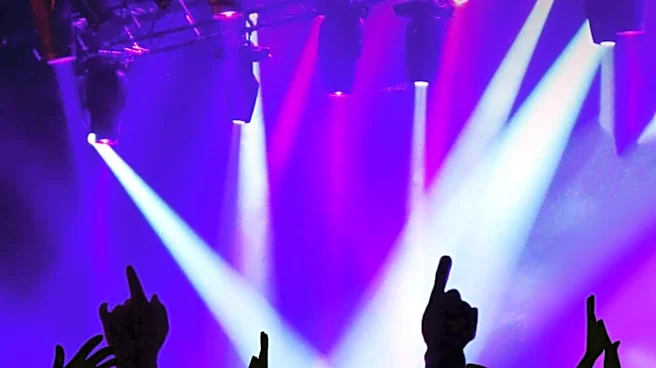
American Sign Language (ASL) interpreters are becoming increasingly prevalent at live music concerts and theatrical performances in Northeast Ohio. This growing visibility aims to make these events accessible to deaf and hard-of-hearing audiences. Organizations
like Theatrical Interpreting Services of Cleveland, Inc. (The HeArd) are at the forefront of this movement, with interpreters like Colleen Ticherich adapting their skills to convey not just lyrics but also the emotional nuances and character portrayals in plays. For instance, Ticherich uses specific body language to represent different characters in productions like 'The Lion King.' Interpreting live music presents unique challenges, as setlists are not always provided in advance, making preparation difficult. To address this, Peter Parsons, treasurer of The HeArd, has developed 'TERP setlist' software, which functions as a teleprompter for lyrics, allowing interpreters to maintain eye contact with the audience and avoid fumbling with paper. This software is currently being tested and refined for an official release next year.
Why It's Important?
The increasing demand for ASL interpreters in live entertainment signifies a crucial step towards greater inclusivity and accessibility for the deaf and hard-of-hearing community in the U.S. Historically, these audiences have faced significant barriers to fully experiencing cultural events. The efforts in Northeast Ohio, particularly the development of specialized tools like TERP setlist, highlight an innovative approach to overcoming these challenges. This movement not only enriches the cultural lives of deaf individuals but also promotes a broader understanding and appreciation of ASL as a language. The call for more interpreters and mentorship for younger individuals in the field underscores a national need to expand this specialized workforce. By making live performances accessible, the entertainment industry can tap into a previously underserved demographic, fostering a more diverse and engaged audience base and setting a precedent for other regions to follow.
What's Next?
The 'TERP setlist' software is slated for an official release next year, which could significantly streamline the work of ASL interpreters in live music settings and potentially lead to its adoption in other regions. There is a clear emphasis on increasing the number of certified ASL interpreters, particularly through mentorship programs for younger individuals, as indicated by Peter Parsons. The Registry for Interpreters of the Deaf currently lists only 359 licensees in Ohio out of 10,000 nationally, suggesting a substantial need for growth in the profession. Continued advocacy and collaboration between deaf communities, entertainment venues, and interpreting services will likely drive further advancements in accessibility. This could include more venues incorporating ASL interpretation as a standard offering, and potentially, the development of more sophisticated technologies to aid in real-time interpretation for diverse live events.
Beyond the Headlines
The integration of ASL interpreters into live entertainment goes beyond mere translation; it involves a profound cultural and artistic adaptation. Interpreters like Colleen Ticherich are not just conveying words but are embodying characters and emotions, transforming a linguistic service into a performance art in itself. This raises interesting questions about the evolving role of interpreters in artistic contexts and the potential for ASL to be recognized more broadly as a dynamic and expressive language within the arts. The development of specialized software like TERP setlist also highlights the intersection of technology and accessibility, demonstrating how innovation can bridge communication gaps. Furthermore, the push for more interpreters and mentorship programs points to a broader societal shift towards recognizing and valuing diverse forms of communication and ensuring equitable access to cultural experiences for all citizens.