




What's Happening?
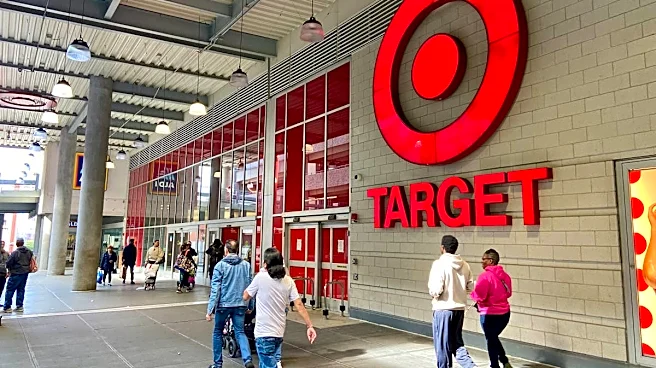
Target is introducing its new in-house beauty strategy with the launch of Target Beauty Studio, a specialty store-in-store concept set to debut on September 10. This initiative will roll out in over 600 locations nationwide and on Target’s online channels,
offering more than 1,600 products across various beauty categories including skincare, cosmetics, haircare, fragrance, and nail care. The studio will feature 90 brands, with over two-thirds being new to Target shelves, including brands like Sunday Riley, Dyson, Clearstem, Rom&nd from South Korea, and Sarelly from Mexico. This new concept replaces Target's previous multi-year arrangement with Ulta Beauty, which concluded last year. The visual design of the Beauty Studio includes interactive sampling tables, rotating trend displays, and a section for mini-sized products. In-store locations will be staffed by trained Beauty Advisors offering personalized consultations and product testing, along with exclusive Target Circle offers. Amanda Nusz, Target’s SVP of merchandising for essentials and beauty, stated that the new format aims to cater to both everyday shopping needs and the desire for new retail trends, reflecting the company's merchandising direction.
Why It's Important?
Target's launch of the in-house Beauty Studio marks a significant strategic shift in the U.S. retail beauty market. By developing its own concept, Target aims to capture a larger share of the beauty market and enhance its competitive position against specialty retailers and online platforms. This move could impact both established beauty brands and emerging ones, as Target introduces a wide array of new labels, potentially disrupting existing market dynamics. The emphasis on personalized consultations and interactive displays reflects a broader trend in retail towards experiential shopping, which is crucial for attracting and retaining customers in a highly competitive sector. For consumers, this means increased access to a diverse range of beauty products and services within a familiar retail environment. The success of Target Beauty Studio could influence other mass merchandisers to invest further in specialized in-store experiences, potentially reshaping how beauty products are retailed across the U.S. and affecting the market share of various beauty brands and retailers.
What's Next?
The Target Beauty Studio concept is scheduled to launch on September 10 in over 600 locations nationwide and online. A nationwide in-store promotional event is planned for September 26, featuring loyalty rewards and product giveaways to drive initial engagement. The performance of these new beauty studios, particularly in terms of customer adoption, sales figures, and the effectiveness of the Beauty Advisors, will be closely monitored by Target and its competitors. The company will likely analyze customer feedback and sales data to refine the concept and potentially expand it further. The introduction of 90 new brands, many of which are international or emerging, suggests a continuous effort to refresh product offerings and cater to evolving consumer preferences. The success of this initiative will be crucial for Target's overall growth strategy and its ability to maintain positive comparable sales growth, as reported in its recent quarter.
Beyond the Headlines
Target's decision to move from a partnership with Ulta Beauty to an in-house beauty concept highlights a broader trend in retail: the increasing importance of owning the customer experience and data. By bringing beauty services and product curation in-house, Target gains greater control over its brand image, customer interactions, and merchandising strategies. This allows for more seamless integration with its loyalty programs, like Target Circle, and a more tailored approach to local market demands. The inclusion of international and emerging brands also reflects a growing consumer interest in diverse and niche beauty products, pushing traditional retailers to broaden their assortments. This strategic shift could lead to a more fragmented beauty retail landscape, where mass merchandisers offer specialized experiences that rival traditional beauty stores, ultimately benefiting consumers with more choices and potentially more competitive pricing. It also underscores the evolving nature of retail partnerships, where companies may opt for greater autonomy to drive their unique brand vision and customer engagement.