






What's Happening?
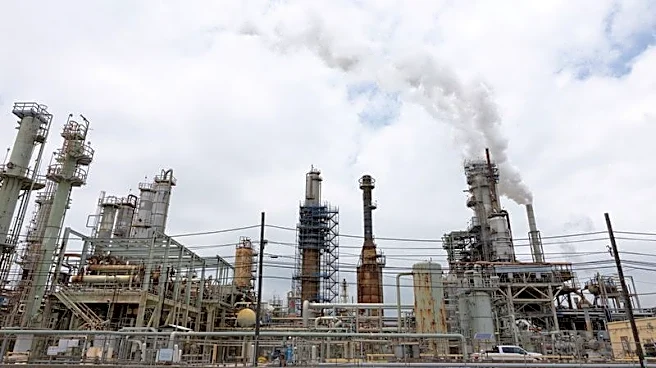
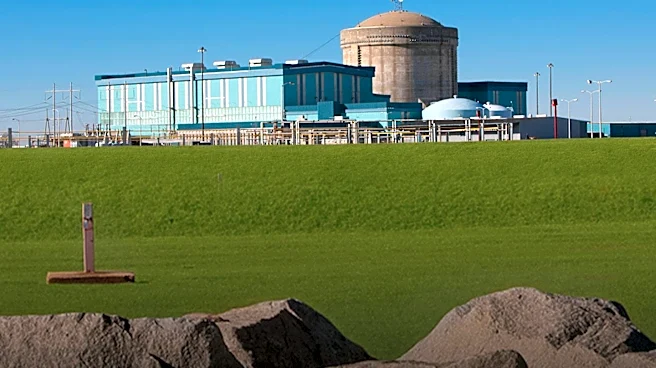
Universities are exploring ways to modernize their district energy systems to enhance sustainability and efficiency. Many campuses still rely on central power plants that burn fossil fuels, but there is a shift towards cogeneration and combined heat and power systems.
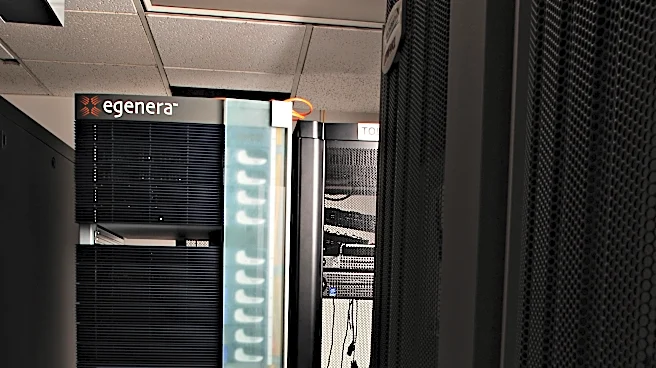
These systems can improve energy efficiency and resilience, especially during peak demand periods. The concept of viewing campuses as self-contained district energy systems is gaining traction, offering opportunities for significant energy and carbon savings. This approach encourages the integration of data centers into campus energy strategies, utilizing waste heat for additional energy efficiency.
Why It's Important?
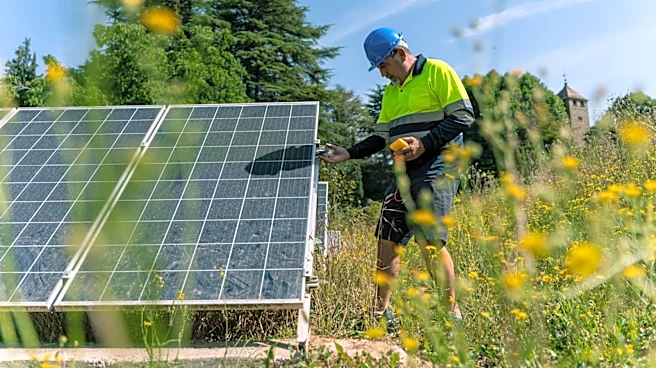
The push for sustainable energy systems in higher education is crucial as universities seek to reduce their carbon footprint and operational costs. By modernizing energy systems, campuses can achieve greater energy independence and resilience, protecting against fluctuating energy prices. This transition supports broader environmental goals and aligns with increasing regulatory and societal pressures for sustainability. Additionally, it positions universities as leaders in innovation and sustainability, potentially attracting students and faculty interested in environmental stewardship.
Beyond the Headlines
The move towards sustainable energy systems in higher education also has implications for research and development. Universities can serve as testbeds for new technologies and approaches, contributing to advancements in energy efficiency and sustainability. This can foster partnerships with industry and government, providing additional funding and resources for research initiatives. Moreover, the integration of sustainable practices into campus operations can enhance educational opportunities, allowing students to engage with real-world applications of sustainability principles.