





What's Happening?
A plaintiff insured has been awarded $2,000,000 in a lawsuit against United Services Automobile Association, Inc. (USAA) for breach of contract. The case stemmed from a claim filed by the insured for damages resulting from a 2018 earthquake, which USAA subsequently
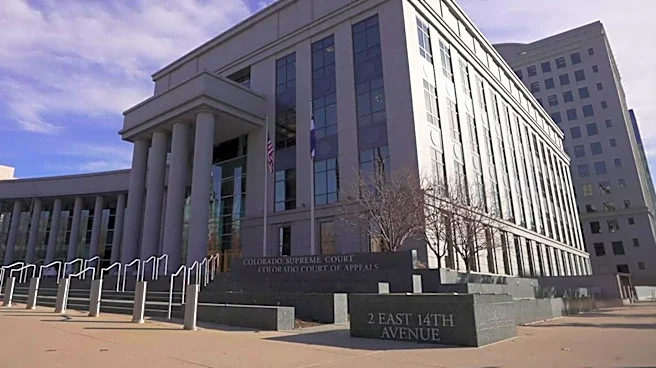
denied. The insured then initiated legal action, alleging breach of contract, fraud, and bad faith. During the trial, the court directed a verdict on the fraud claim but allowed the breach of contract and bad faith claims to proceed. A jury ultimately found that USAA had breached its contract with the plaintiff, leading to the $2 million verdict. However, the jury did not find that USAA acted in bad faith. Following the verdict, USAA's post-trial motion was denied, and the trial court's judgment was affirmed on appeal. The insurer's request for attorney's fees on appeal was also denied.
Why It's Important?
This verdict underscores the significant financial and legal risks insurance companies face when denying claims, particularly those related to natural disasters. For policyholders, it highlights the potential for successful litigation against insurers for breach of contract, even when claims of bad faith are not upheld. The $2 million award serves as a substantial precedent, potentially encouraging other insured individuals to pursue legal action if they believe their legitimate claims have been unfairly denied. This case could influence how insurance companies, like USAA, approach claim assessments and denials, potentially leading to more thorough and equitable evaluations to avoid costly litigation and adverse judgments. It also reinforces the importance of clear contractual obligations between insurers and their clients, and the judicial system's role in enforcing these agreements.
What's Next?
The affirmation of the trial court's judgment means that United Services Automobile Association, Inc. will likely be required to pay the $2 million verdict to the plaintiff. This outcome could lead to a review of internal claims handling procedures within USAA and potentially other insurance companies, especially concerning earthquake damage and similar natural disaster claims. Insurers may face increased scrutiny from policyholders and regulatory bodies regarding their claim denial processes. This case might also encourage more insured parties to challenge denied claims in court, potentially leading to an uptick in litigation against insurance providers. The legal community will likely analyze this decision for its implications on contract law and insurance litigation, particularly regarding the distinction between breach of contract and bad faith claims.
Beyond the Headlines
This case delves into the complex relationship between policyholders and their insurance providers, particularly in the aftermath of unforeseen events like earthquakes. While the jury found a breach of contract, the absence of a bad faith finding suggests that the denial, though ultimately incorrect, may not have been malicious or intentionally deceptive. This distinction is crucial in insurance law, as bad faith claims often carry more severe penalties. The outcome could subtly shift public perception of insurance companies, reinforcing the idea that while they provide essential services, their decisions can be challenged and overturned. It also highlights the power of the judicial system in protecting consumer rights and ensuring that contractual obligations are met, even when dealing with large corporate entities. The case may also prompt a broader discussion within the insurance industry about transparency and fairness in claims processing.