







What's Happening?
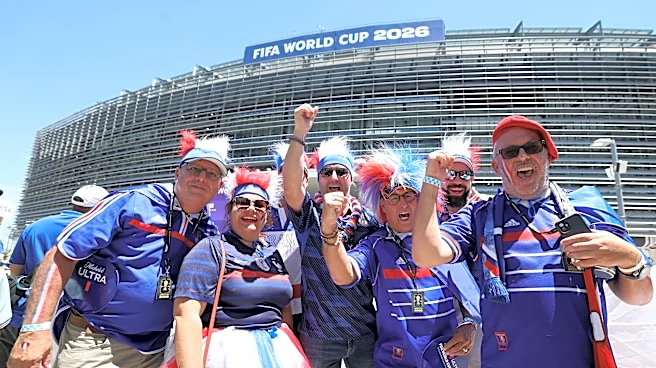
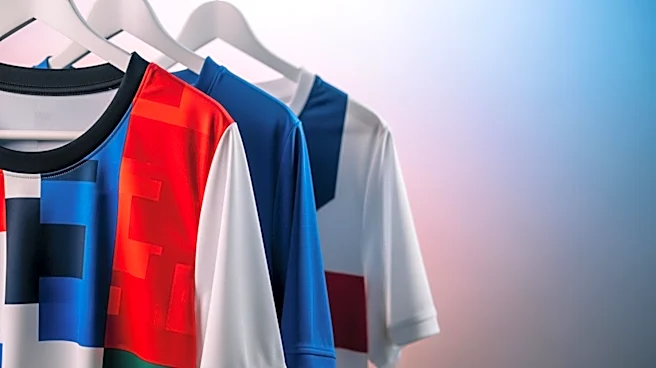
A recent article has ranked the home kits of all 48 teams participating in the 2026 World Cup, sparking discussions among football enthusiasts. The ranking, which categorizes the kits into a tier list, has been designed to engage fans and provoke debate
over the aesthetics and design choices of each team's uniform. The article, translated into English by Artificial Intelligence, aims to provide a comprehensive overview of the kits, highlighting the diversity and creativity in football apparel. The ranking is subjective, acknowledging that taste in sports fashion is highly personal and often contentious.
Why It's Important?
The ranking of World Cup home kits is significant as it reflects the cultural and commercial aspects of international football. Team kits are not only a symbol of national pride but also a major revenue stream for sports brands and national teams. The design and popularity of these kits can influence merchandise sales, fan engagement, and brand visibility on a global stage. As the World Cup is one of the most-watched sporting events worldwide, the attention to team kits underscores the intersection of sports, fashion, and business. This ranking can impact consumer preferences and brand strategies in the sports apparel market.
What's Next?
As the World Cup approaches, teams and brands may respond to fan feedback on kit designs, potentially influencing future iterations. The discussions generated by such rankings can lead to increased interest and anticipation for the tournament, as fans eagerly await to see their teams in action. Brands might also leverage this feedback to enhance marketing campaigns and product offerings, aiming to capitalize on the heightened visibility during the World Cup. Additionally, the debate over kit designs could inspire further innovation and creativity in sports apparel, setting new trends in the industry.