




What's Happening?
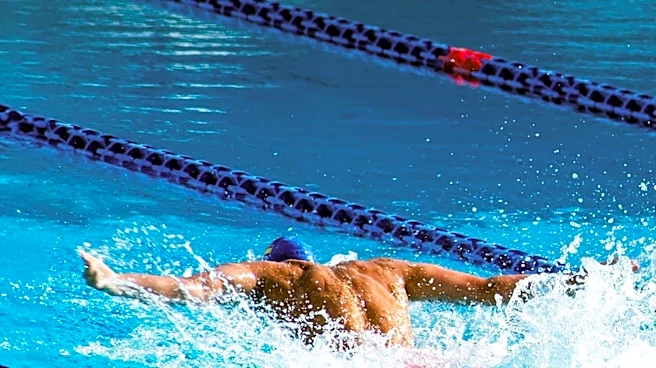
The upcoming Short Course World Championships Trials in the United States present a significant opportunity for American swimmers to challenge long-standing national records. Unlike the typical U.S. swimming calendar dominated by short course yards, this
meet will be conducted in short course meters, a format less frequently contested stateside. USA Swimming will select a short-course-meters-specific team for the global meet in Beijing based on performances at these trials. Many current American records in short course meters have remained unbroken for years, with some dating back to 2010. The limited opportunities for U.S. swimmers to compete in this format mean that many have entered the trials using their long course times, highlighting the unique nature of this selection event. The meet is considered the highest-stakes short course meters competition held in the U.S. in over two decades.
Why It's Important?
This selection meet is crucial for U.S. swimming as it directly impacts the composition of the national team for the Short Course World Championships. The rarity of major short course meters competitions in the U.S. means that this event offers a unique platform for swimmers to test their skills in a less familiar format and potentially etch their names into the record books. Breaking these long-standing records would signify a shift in performance levels and could inspire a new generation of swimmers. For athletes, it's a chance to gain international experience and recognition, while for USA Swimming, it's an opportunity to assess the depth of talent in a format that requires specific training and strategy. The outcomes could influence future training methodologies and competition schedules within the U.S. swimming community.
What's Next?
Following the Short Course World Championships Trials, USA Swimming will finalize its team for the global meet in Beijing. The selected athletes will then prepare for the international competition, aiming to represent the U.S. on the world stage. The performances at these trials will also provide valuable data for coaches and national swimming organizations to evaluate current training programs and identify areas for improvement. While some records, like Ryan Lochte's 200 backstroke and 400 IM marks, are expected to remain unchallenged due to the absence of key competitors or weaker event fields, others, particularly in the men's 100 breaststroke and certain women's events, could be vulnerable. The results will set the stage for future short course meters competitions and potentially influence the careers of many aspiring U.S. swimmers.
Beyond the Headlines
The emphasis on short course meters for this selection meet highlights a broader challenge for U.S. swimming: adapting to international competition formats. While American swimmers excel in short course yards, the less frequent exposure to short course meters could put them at a disadvantage on the global stage. This event could serve as a catalyst for a re-evaluation of training priorities and competition schedules to better prepare athletes for international short course meters events. The potential for new records to be set, especially by emerging talents, could also signal a changing guard in American swimming, bringing new faces and strategies to the forefront. It underscores the importance of versatility and adaptability in elite-level swimming, pushing athletes to master different race formats.