
What's Happening?
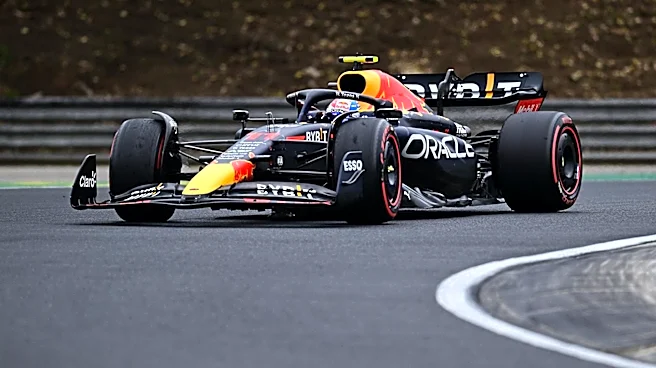
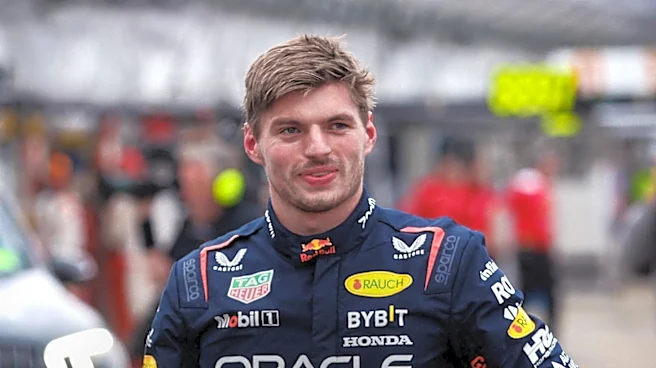
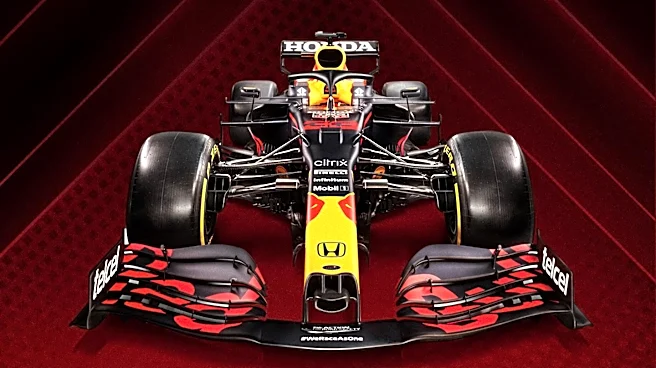
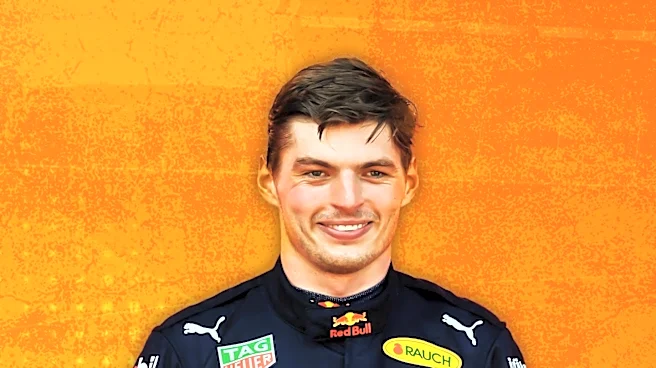
Christian Horner, Team Principal of Red Bull Racing, has revealed that Max Verstappen's management team compelled the organization to alter the design of their 2022 car, the RB18, mid-season. Initially, the car was developed to suit the driving styles
of Sergio Perez and reserve driver Alex Albon, featuring characteristics like understeer that suited a more traditional approach. However, Verstappen expressed strong dissatisfaction with the car's handling, particularly its understeer, which hindered his performance. According to Horner, the turning point occurred during the 2022 Azerbaijan Grand Prix weekend when Verstappen's management conveyed a clear message that the car needed to be re-engineered to align with the reigning champion's specific requirements. This demand led the engineering department to pivot its development trajectory, prioritizing Verstappen's preferences to maximize his potential for victories.
Why It's Important?
This revelation underscores the significant influence top drivers, particularly reigning champions like Max Verstappen, wield within Formula 1 teams. It highlights a critical strategic decision-making process where a team's development direction can be fundamentally altered to cater to a star driver's specific needs, even at the expense of accommodating other drivers. This prioritization reflects the high-stakes nature of Formula 1, where maximizing the performance of the primary championship contender is paramount. The shift in design, moving away from a setup that suited drivers like Sergio Perez and Alex Albon, demonstrates the internal dynamics and potential conflicts that can arise within a team when balancing individual driver preferences with overall car development. It also illustrates how a driver's unique style can dictate engineering choices, impacting not only immediate race results but also the long-term design philosophy of a competitive F1 car.
What's Next?
The decision to re-engineer the RB18 in 2022 to suit Max Verstappen's driving style had immediate implications for Red Bull Racing's performance and championship aspirations. This strategic pivot ultimately contributed to Verstappen's success in securing victories. Looking ahead, this incident sets a precedent for how Red Bull, and potentially other top F1 teams, might approach car development in future seasons, emphasizing the importance of aligning car characteristics with their lead driver's preferences from the outset. It also suggests that the input of star drivers will continue to be a critical factor in engineering decisions, potentially leading to cars that are highly optimized for a specific driving style. The ongoing challenge for teams will be to balance this optimization with the need for a versatile car that can perform across different tracks and conditions, while also considering the capabilities of their second driver.
Beyond the Headlines
The internal struggle over the 2022 car design at Red Bull Racing reveals a deeper philosophical debate within Formula 1: whether to build a versatile car that suits multiple driving styles or to tailor it precisely to the strengths of a single, dominant driver. Horner's admission that Verstappen's management 'forced Red Bull's hand' highlights the immense pressure and commercial value associated with a championship-winning driver. This scenario can create a hierarchical structure within a team, where the needs of the 'prime asset' supersede others. Ethically, it raises questions about fairness and equal opportunity for all drivers within a team, particularly for the second driver whose performance might be compromised by a car not optimized for their style. Culturally, it reinforces the 'star system' prevalent in elite sports, where individual talent and marketability can dictate significant organizational decisions and resource allocation, shaping the very identity and competitive approach of a racing team.