







What's Happening?
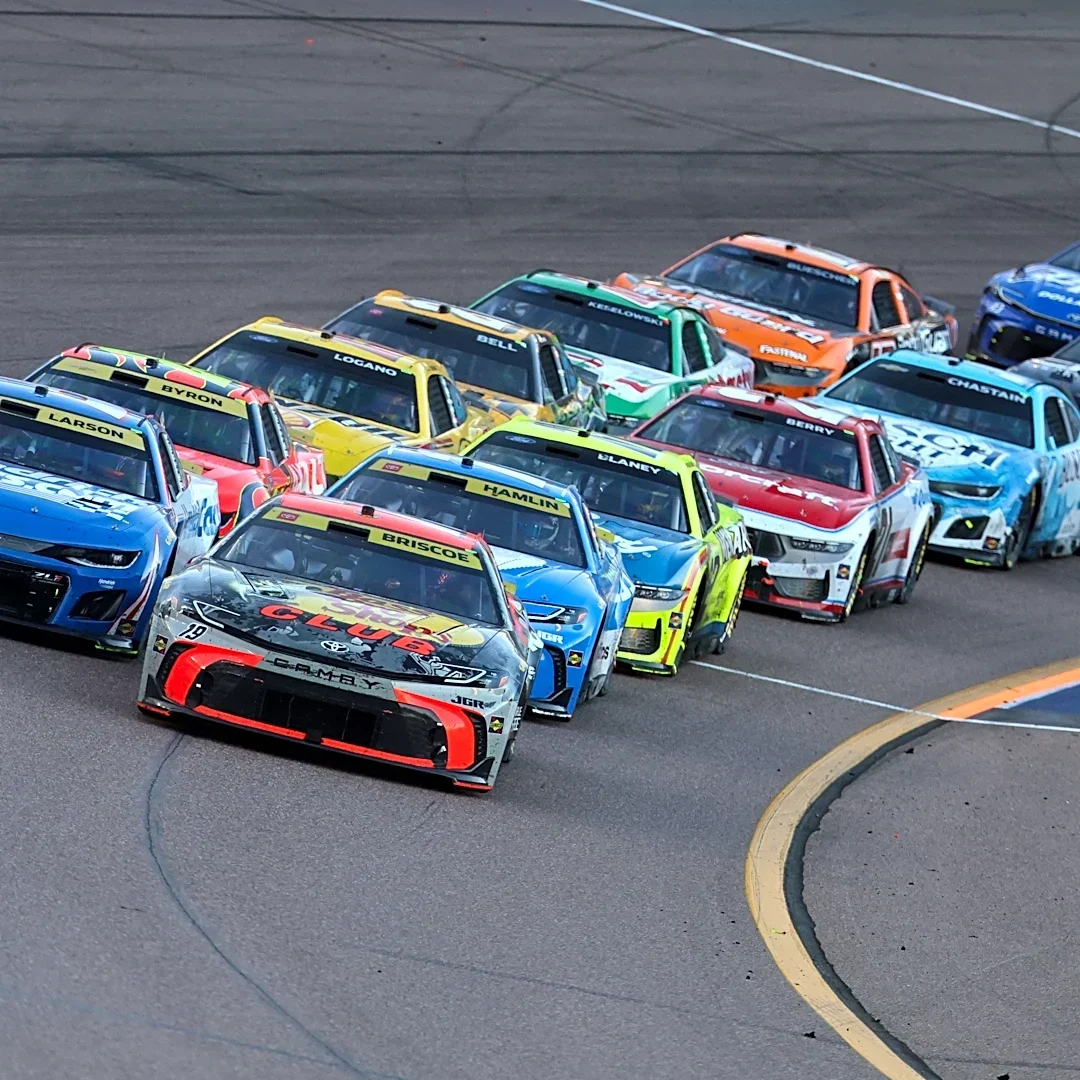
NASCAR has announced a new rule allowing Cup Series teams to change front brake rotors and pads after practice and qualifying sessions, effective immediately at Phoenix Raceway. This decision comes after several incidents involving brake issues and failures
during recent races. In August, Joe Gibbs Racing teammates Chase Briscoe and Denny Hamlin experienced brake problems at Iowa, with NASCAR permitting only rotor changes at the time. The issues escalated in September at World Wide Technology Raceway, where exploding brake rotors led to the elimination of four Chase contenders, including Ryan Blaney, Chase Elliott, and Chris Buescher. Elliott's accident also collected Chase Briscoe. Chris Buescher noted that these failures often occurred when brakes became 'super-hot' and then cooled during red flag periods. Under current NASCAR regulations, AP Racing Limited supplies the brake rotors and calipers, while teams are responsible for brake pads. Teams are not allowed to machine brake calipers for hardness testing, which must be done by the single source vendor.
Why It's Important?
This rule change is significant for driver safety and competitive fairness in NASCAR. The recurring brake failures have not only jeopardized driver well-being but also impacted race outcomes, as seen with the elimination of multiple contenders due to equipment issues. By allowing teams to replace critical brake components, NASCAR aims to mitigate these risks, potentially preventing further accidents and ensuring that races are decided more by driver skill and team strategy rather than mechanical failures. This move could also alleviate the frustration expressed by drivers like Denny Hamlin, who had previously indicated a willingness to retire if such issues persisted. The change reflects a responsiveness from NASCAR to concerns raised by teams and drivers, highlighting the ongoing evolution of safety protocols and competitive regulations within the sport.
What's Next?
The immediate impact of this rule change will be observed at Phoenix Raceway, where teams will be able to utilize the new repair allowance. NASCAR will continue to manage any rear rotor issues on a case-by-case basis, indicating a flexible approach to unforeseen problems. The long-term implications could include a reduction in brake-related incidents, leading to safer races and potentially more consistent performance from teams. This adjustment may also influence future discussions regarding single-source component suppliers and the extent of modifications teams are permitted to make. Stakeholders, including drivers, team owners, and fans, will be closely watching to see if this new policy effectively addresses the persistent brake problems and contributes to a more reliable racing environment.
Beyond the Headlines
Beyond the immediate safety and competitive aspects, this rule change touches upon the broader balance between standardization and team innovation in motorsports. While NASCAR mandates single-source suppliers for certain components to control costs and ensure parity, incidents like the brake failures highlight potential drawbacks when these components prove problematic. The decision to allow repairs, rather than a complete overhaul of the supplier system, suggests a pragmatic approach to addressing critical issues without disrupting the established framework. This situation underscores the complex engineering challenges in high-performance racing, where extreme conditions can push even standardized parts to their limits. It also emphasizes the importance of driver feedback in shaping regulatory decisions, demonstrating that athlete concerns can directly influence the technical rules of a major sport.