







What's Happening?
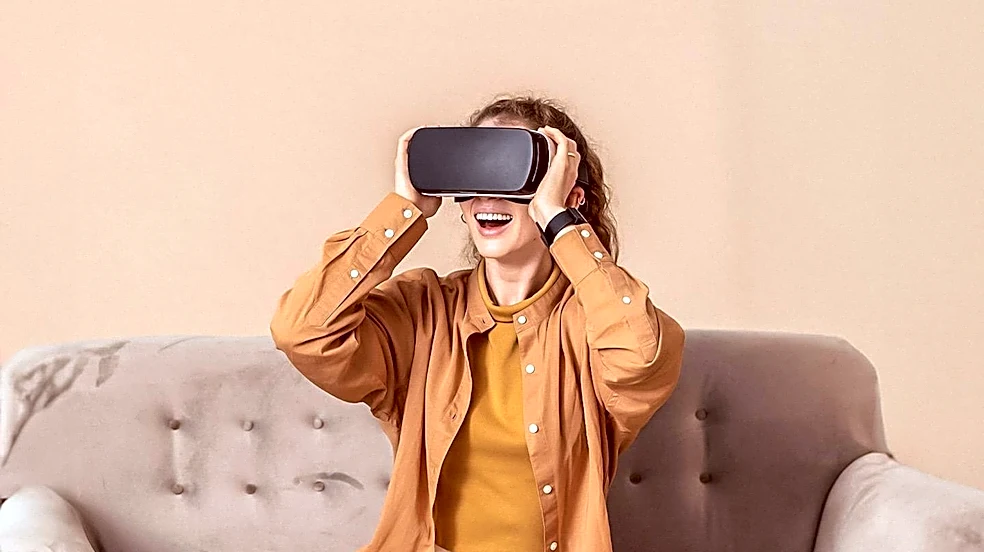
Virtual try-on tools are leveraging artificial intelligence to allow consumers to visualize how various products, including clothing, tattoos, hairstyles, hair colors, glasses, and jewelry, would appear on them before making a purchase. These tools function
by generating AI-powered images of products on user-uploaded photos or through live camera feeds. The primary goal is to provide a more accurate and immersive preview of how items will look in real life. The technology is being adopted in sectors such as fashion and eyewear retail to improve the online shopping journey. Realism is a critical factor for the effectiveness of these tools, and some providers suggest a usage-based pricing model, often including a free allowance for initial use.
Why It's Important?
The integration of virtual try-on tools into online retail signifies a significant advancement in e-commerce, particularly for U.S. consumers and businesses. For consumers, these tools offer a more confident purchasing decision by reducing the uncertainty associated with online shopping, potentially leading to higher satisfaction and fewer returns. For U.S. retailers, this technology can enhance customer engagement, differentiate their online presence, and streamline operations by minimizing the costs associated with product returns. The emphasis on realism in these tools is crucial, as it directly impacts consumer trust and adoption. Furthermore, the proposed usage-based pricing model could make this technology accessible to a wider range of businesses, from small boutiques to large corporations, fostering innovation and competition within the retail sector.
What's Next?
The continued development of virtual try-on tools is expected to focus on improving the realism and accuracy of AI-generated previews. As the technology matures, it is likely to expand beyond current applications to include a broader range of products and services. Retailers will likely integrate these tools more deeply into their e-commerce platforms, potentially offering personalized styling recommendations based on virtual try-on data. The competitive landscape among AI tool providers will likely intensify, driving further innovation in features and pricing models. Additionally, as these tools become more sophisticated, there may be increased attention on data privacy and the ethical implications of using personal images for virtual try-ons, prompting the development of industry standards and regulations.
Beyond the Headlines
Beyond the immediate benefits to consumers and retailers, the widespread adoption of virtual try-on tools could have deeper implications for the fashion and retail industries. This technology could accelerate the shift towards more sustainable consumption patterns by reducing impulse purchases and subsequent returns, thereby lowering the environmental impact of shipping and waste. It also has the potential to democratize fashion, allowing individuals to experiment with diverse styles and trends without physical limitations or financial commitments. Furthermore, the data collected from virtual try-ons could provide invaluable insights into consumer preferences and trends, enabling brands to design more targeted and desirable products. This could lead to a more personalized and efficient retail ecosystem, fundamentally altering how products are designed, marketed, and sold.