


What's Happening?
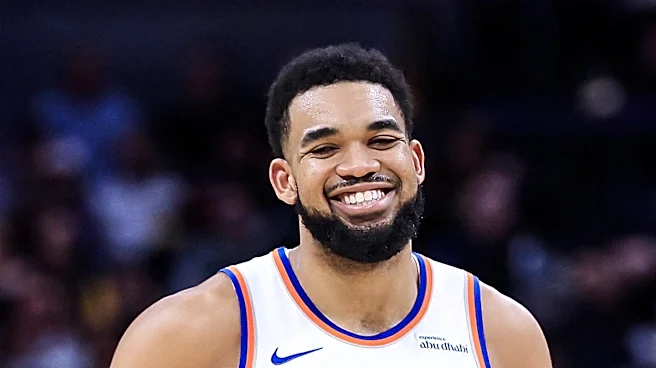
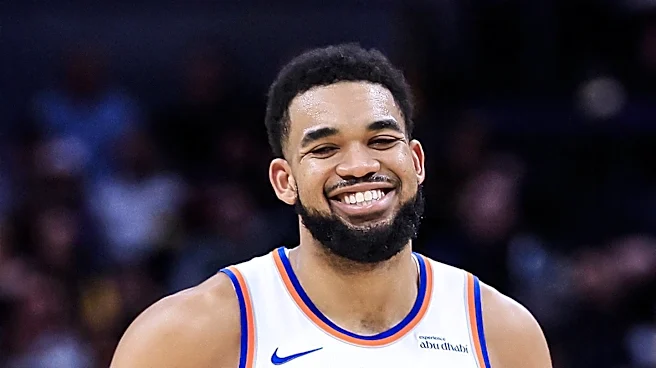
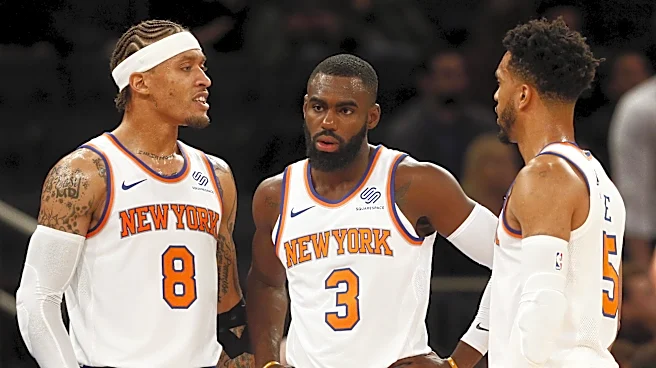
James Dolan, the New York Knicks' executive chairman and CEO, is facing criticism for his firm stance against the team entering the NBA's second apron. This position is reportedly creating a roadblock for the Knicks in retaining their current core players,
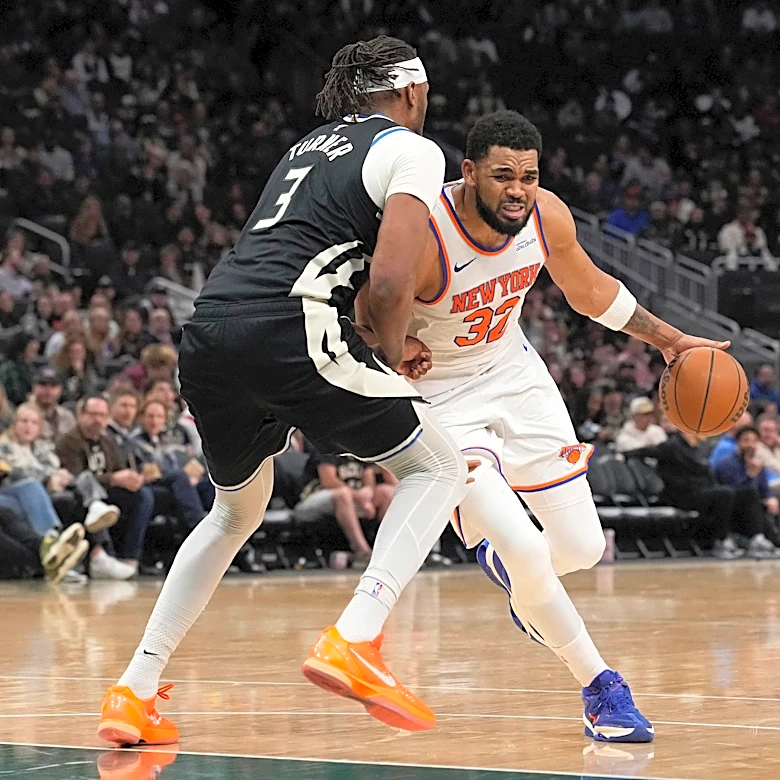
particularly regarding a potential extension for Karl-Anthony Towns. According to James L. Edwards III of The Athletic, Towns' frustration over the lack of an extension appears to be directed at Dolan rather than the front office, suggesting that the owner's directive is the primary constraint. Dolan has previously stated that entering the second apron would be 'suicidal' for the team, claiming it's not about the money but rather the roster-building restrictions. However, critics argue that the differences in restrictions between the first and second aprons are not substantial, especially since the Knicks are already operating close to the second apron and are thus already subject to many of its limitations. For instance, many restrictions, such as not taking back more money in trades than received or the inability to use preexisting trade exceptions, apply to both first and second apron teams. The Knicks also did not utilize the mini mid-level exception this year, a tool available to first-apron teams but not second-apron teams.
Why It's Important?
James Dolan's refusal to allow the New York Knicks to enter the NBA's second apron has significant implications for the team's roster construction and competitive future. This stance could prevent the Knicks from retaining key players like Karl-Anthony Towns, potentially disrupting team chemistry and long-term strategic planning. The debate over the second apron highlights a broader issue in professional sports regarding owner philosophy, financial management, and team competitiveness. If Dolan's reasoning is perceived as illogical or overly restrictive by players and analysts, it could damage the team's reputation and make it harder to attract and retain top talent in the future. The situation also brings into question the transparency and rationale behind executive decisions in sports franchises, as many argue that the stated reasons for avoiding the second apron do not fully align with the actual differences in restrictions. This could lead to increased scrutiny from fans and media regarding the team's management and its commitment to winning.
What's Next?
The immediate future for the New York Knicks involves navigating the ongoing contract standoff with Karl-Anthony Towns, whose extension is reportedly being hampered by James Dolan's second apron directive. The front office, including Leon Rose and cap-guru Brock Aller, will likely continue to work within the constraints set by Dolan, attempting to manage the roster while adhering to the owner's financial philosophy. This situation could force the Knicks to make difficult decisions regarding player retention and future acquisitions, potentially leading to trades or the departure of key players if extensions cannot be agreed upon under the current financial parameters. The team's performance in the upcoming seasons will also be closely watched to see if Dolan's strategy proves beneficial or detrimental to their competitive aspirations. Public and media pressure on Dolan may intensify if the team's ability to contend is perceived to be compromised by his stance on the second apron.
Beyond the Headlines
The controversy surrounding James Dolan's second apron stance extends beyond immediate roster decisions, touching upon deeper issues of ownership influence and the evolving financial landscape of professional sports. Some speculate that Dolan's refusal to enter the second apron might be a veiled attempt to avoid paying Karl-Anthony Towns a large sum into his mid-30s, or even a protest against the league's revenue-sharing program. This highlights the complex interplay between team finances, player valuations, and owner prerogatives in the NBA. The perceived 'stubbornness' of an owner can have far-reaching consequences, affecting not only player morale and team performance but also the overall perception of the franchise within the league and among its fanbase. This situation could also serve as a case study for other NBA teams and owners grappling with the implications of the league's collective bargaining agreement and its various financial thresholds, prompting discussions about the balance between fiscal responsibility and competitive ambition.