






What's Happening?
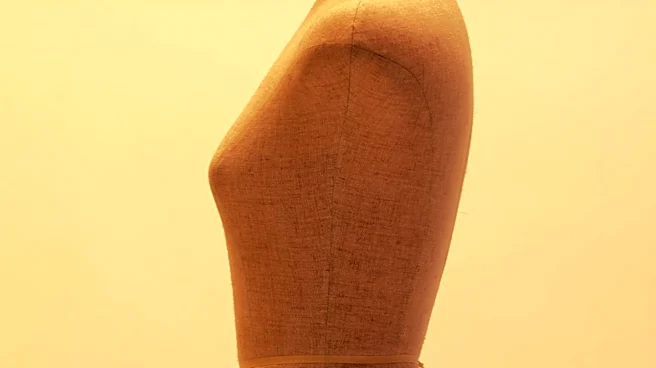
A study published in the journal Japanese Psychological Research has found that the waist-to-bust ratio plays a more significant role in how Japanese men perceive female attractiveness than the waist-to-hip ratio. Led by Professor Tomohiro Suzuki of Wayo
Women’s University, the research suggests that cultural background and media exposure may shape physical preferences more than biological instincts. The study involved 398 Japanese men who rated body silhouettes based on different waist-to-bust and waist-to-hip ratios. The findings indicate a preference for a lower waist-to-bust ratio, challenging the notion of a universal standard of beauty.
Why It's Important?
The study's findings highlight the influence of cultural factors on perceptions of physical attractiveness, challenging the idea of universal beauty standards. This research underscores the importance of considering cultural context in studies of human behavior and preferences. The preference for specific body proportions may reflect broader societal values and media influences, which can impact individuals' self-image and societal norms. Understanding these cultural differences is crucial for industries such as fashion and media, which often shape and reflect societal standards of beauty.
Beyond the Headlines
The study raises questions about the impact of media and cultural narratives on body image and self-esteem. The preference for rare body proportions suggests that media representations may create unrealistic beauty standards, influencing individuals' perceptions of attractiveness. This has implications for mental health, as societal pressures to conform to certain body ideals can affect self-esteem and body satisfaction. The research also highlights the need for more inclusive and diverse representations of beauty in media and advertising, promoting a broader acceptance of different body types.