




What's Happening?
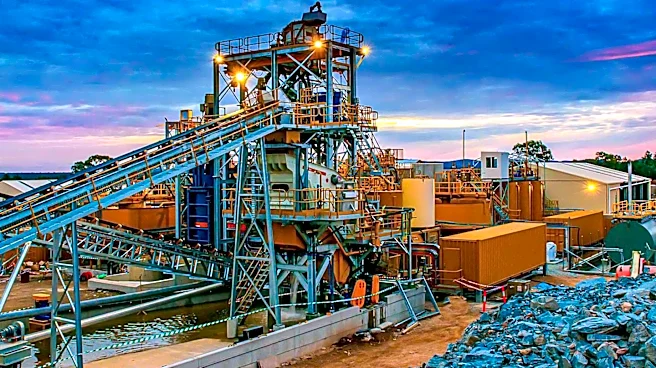
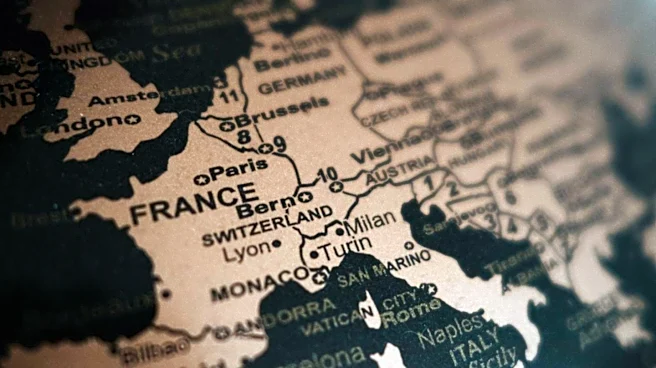
Europe is making strides in developing its own critical raw material resources, with recent developments in Norway and Sweden highlighting both opportunities and ongoing challenges. Rare Earths Norway AS has approved a EUR 24 million pilot plant at the
Fen deposit, identified as Europe’s largest documented rare earth resource. Simultaneously, Sweden’s LKAB has begun operational testing at a SEK 800 million facility in Luleå, aiming to recover phosphorus and all 17 rare earth elements from existing iron ore production. These initiatives are crucial for bolstering Europe's industrial competitiveness, technological innovation, and defense capabilities. However, the commercial production from these Norwegian resources is still several years away, as the figures represent estimated mineral resources rather than proven economically recoverable reserves. A significant hurdle remains in Europe's capacity to develop the industrial infrastructure and processing technologies needed to convert these raw materials into usable components, as China currently dominates global refining of magnet rare earths and sintered permanent magnet manufacturing.
Why It's Important?
Europe's reliance on China for critical raw materials poses substantial risks to its industrial autonomy, technological advancement, and national security. China's near-monopoly, accounting for 91% of global refining of magnet rare earths and 94% of sintered permanent magnet manufacturing in 2024, creates a strategic vulnerability. The European efforts in Scandinavia are vital steps toward diversifying supply chains and reducing this dependency. Success in these ventures could lead to greater economic stability, foster innovation within European industries, and strengthen defense capabilities by ensuring a secure supply of essential materials. Conversely, failure to develop robust processing capabilities would leave Europe susceptible to geopolitical disruptions and economic leverage from dominant suppliers, impacting sectors from electronics to renewable energy and defense.
What's Next?
To effectively leverage its newly identified raw material resources, Europe must undertake substantial capital investment, drive technological advancements, and ensure robust regulatory coordination. The path forward involves navigating complex environmental concerns and permitting processes while demonstrating the economic viability of each stage of the value chain. Strategic policy will need to integrate detailed value chain analysis to identify critical bottlenecks and assess the time required to establish alternative production capacities. The focus will be on transforming geological resources into viable industrial capabilities, which requires a concerted effort across various sectors and governmental bodies. The coming years will likely see increased investment in processing infrastructure and research into advanced material technologies to bridge the gap with current global leaders in raw material processing.
Beyond the Headlines
The broader implications of Europe's push for raw material independence extend beyond economic and strategic benefits. It highlights a global shift towards resource nationalism and the recognition of critical minerals as geopolitical assets. This pursuit of self-sufficiency could reshape international trade dynamics, potentially leading to new alliances and trade agreements centered on resource security. Furthermore, the emphasis on sustainable extraction and processing methods in Europe could set new global standards for environmental responsibility in the mining industry. The challenge also underscores the need for a skilled workforce in advanced manufacturing and materials science, prompting educational and vocational reforms. Ultimately, Europe's success or failure in this endeavor will serve as a case study for other regions grappling with similar dependencies, influencing future global supply chain strategies and resource governance.