






What's Happening?
Fintech company Grey has launched a new service enabling direct Chinese yuan payouts for African users, aiming to streamline cross-border commerce between Africa and China. This initiative allows African entrepreneurs, particularly those sourcing inventory
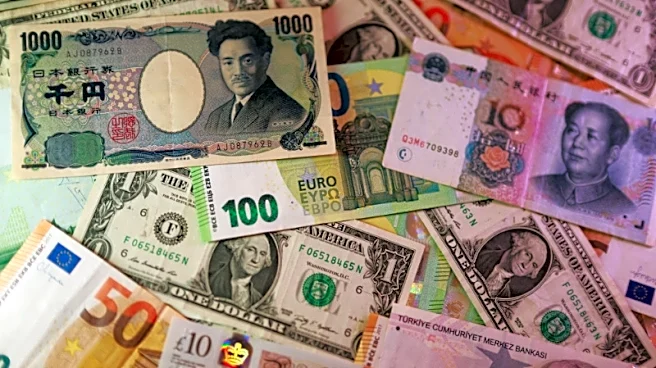
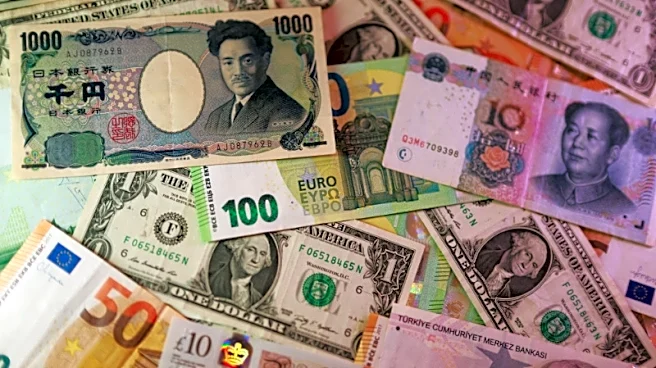
from major Chinese commercial centers like Shenzhen and Guangzhou, to send money directly to Chinese bank accounts. Users can convert existing balances in USD, EUR, GBP, or supported stablecoins into yuan for these transactions. The service is designed to mitigate common challenges in international payments, such as currency conversion friction, delays, and the reliance on intermediaries. This development underscores a growing trend among African fintechs to build financial infrastructure that addresses the practical realities of cross-border trade, fostering more efficient economic interactions between the two regions.
Why It's Important?
This development is significant for U.S. businesses and the broader global financial landscape as it highlights the increasing role of the Chinese yuan in international trade, particularly in emerging markets. By facilitating direct yuan payouts, Grey's service reduces reliance on traditional U.S. dollar-denominated transactions, potentially impacting the dollar's dominance as a settlement currency in certain trade corridors. For U.S. companies engaged in trade with Africa or China, this shift could introduce new considerations for currency exchange and payment processing. The move also signals the growing sophistication and influence of fintech solutions in addressing complex cross-border payment challenges, potentially setting a precedent for similar services in other regions. As more countries and businesses adopt alternative settlement currencies, it could gradually alter global financial flows and trade dynamics, affecting U.S. economic interests and the competitive landscape for financial services.
What's Next?
The introduction of direct yuan payouts by Grey is likely to encourage further adoption of the Chinese currency in Africa-China trade, potentially leading to increased demand for yuan-backed financial products and services. Other fintech companies and traditional financial institutions may follow suit, expanding similar offerings to capture a share of this evolving market. This could also prompt discussions among U.S. policymakers and financial regulators regarding the implications of a diversifying global currency landscape and the need for competitive U.S. dollar-based payment solutions. Furthermore, the success of such initiatives could inspire similar innovations in other trade routes, gradually reshaping the global financial infrastructure. Businesses involved in international trade will need to monitor these trends to adapt their payment strategies and currency risk management practices.
Beyond the Headlines
Beyond the immediate transactional benefits, Grey's initiative reflects a broader geopolitical and economic shift towards a more multipolar financial system. The increasing use of the yuan in cross-border trade, particularly in regions like Africa, can be seen as part of China's long-term strategy to internationalize its currency and reduce global reliance on the U.S. dollar. This trend has implications for financial sovereignty and economic influence, as countries gain more options for trade settlement outside the traditional dollar-centric system. While the U.S. dollar remains the dominant global reserve currency, these incremental shifts in trade finance could, over time, contribute to a more diversified international monetary system. This also raises questions about the future of financial sanctions and the effectiveness of dollar-based leverage in international relations, as alternative payment rails become more robust and widely adopted.