





What's Happening?
As November arrives and the outdoor planting season concludes, gardeners are advised to focus on essential cleanup and preparation tasks for the upcoming winter and next spring. Beds that are no longer growing crops should be cleared of plants and debris.
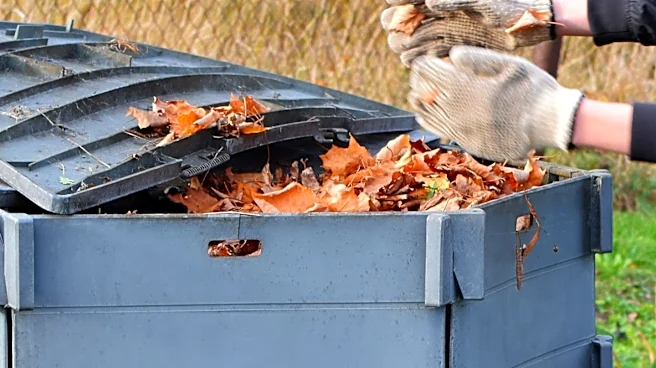
If the waste is clean, it can be composted; otherwise, it should be disposed of to prevent the spread of disease or pests. For beds without cover crops, applying an organic mulch like straw or mulched leaves is recommended to protect the soil. Chopped leaves are particularly useful as mulch or for starting new compost batches when mixed with grass clippings and kitchen scraps. Rhubarb plants that are four years old or more can be divided and transplanted, requiring deep digging and compost incorporation. Asparagus beds should have their tops cut to 2-4 inches above soil level, weeded, and dressed with compost or aged manure. Fall and winter are also opportune times to construct deer fences around vegetable gardens.
Why It's Important?
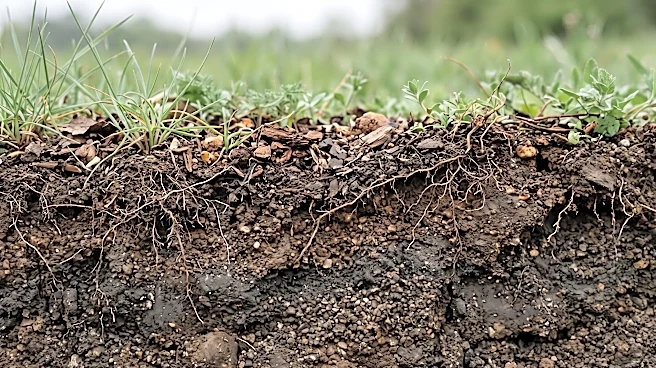
These November gardening practices are crucial for maintaining soil health, preventing pest and disease issues, and ensuring a productive garden in the following spring. Proper cleanup and mulching protect the soil from erosion and nutrient loss during winter, which is vital for sustainable agriculture and home gardening in the U.S. The emphasis on composting highlights a growing trend towards organic gardening and waste reduction, aligning with broader environmental goals. For U.S. homeowners and small-scale farmers, these actions can significantly reduce the need for chemical fertilizers and pesticides, leading to healthier produce and a more eco-friendly approach. The division and transplanting of rhubarb and care for asparagus beds ensure the longevity and productivity of perennial crops, contributing to food security and self-sufficiency at a household level. Building deer fences in the off-season can prevent significant crop damage, protecting investments in time and resources.
What's Next?
Gardeners should continue to monitor weather forecasts for frost and take protective measures for any remaining cool-weather crops. The compost started in November will continue to decompose throughout the winter, becoming a valuable soil amendment for spring planting. As temperatures drop, microbial activity in compost piles will slow but will reactivate with warmer weather. The focus will shift towards planning for the next growing season, including reviewing garden documentation, organizing leftover seeds, and conducting soil tests to determine nutrient needs. These preparatory steps in the colder months will set the stage for successful planting and harvesting in the spring, emphasizing a cyclical and forward-thinking approach to gardening. The construction of deer fences will provide long-term protection, reducing future maintenance and crop loss.
Beyond the Headlines
The detailed November gardening advice reflects a deeper understanding of ecological principles and sustainable land management. By emphasizing organic mulching, composting, and proper waste disposal, the guidance promotes practices that enhance soil biodiversity and reduce environmental impact. This approach moves beyond mere aesthetics, focusing on the long-term health of the garden ecosystem. The recommendation to divide and transplant mature perennial plants like rhubarb underscores the importance of plant propagation and resourcefulness in gardening. Furthermore, the mention of deer fences highlights the ongoing challenge of coexisting with wildlife in suburban and rural areas, prompting consideration of humane and effective deterrents. These practices collectively contribute to a more resilient and self-sustaining food system, fostering a deeper connection between individuals and their local environment.