







What's Happening?
Prebiotics are compounds that serve as nutrients for beneficial gut bacteria, stimulating their growth and activity within the digestive system. Unlike probiotics, which are live microorganisms offering health benefits, prebiotics are typically non-digestible
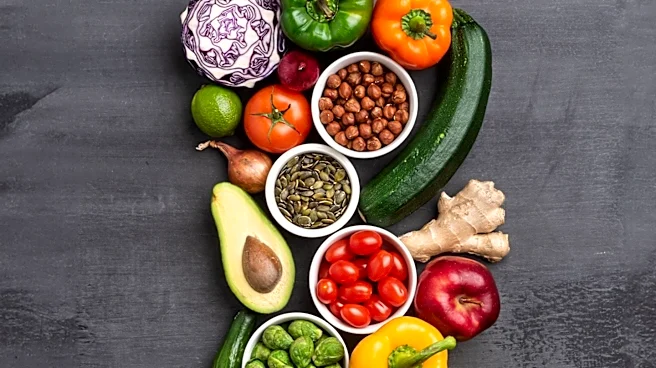
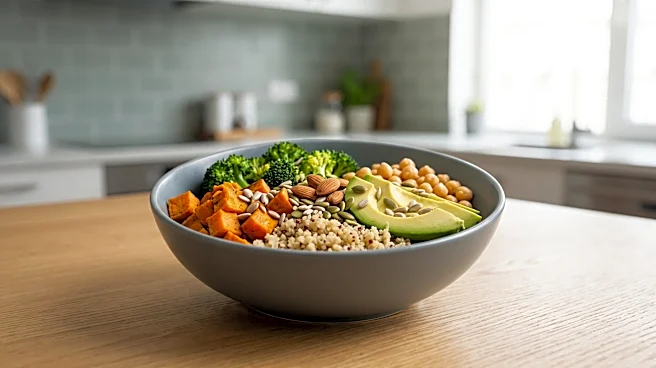
fibers found in plant-based foods such as onions, garlic, bananas, oats, and legumes. The concept of gut health is increasingly viewed as a holistic ecosystem, where both probiotics (beneficial bacteria) and prebiotics (their food source) play crucial roles. Combining these two elements, often referred to as synbiotics, is gaining attention for its potential to create a more robust and balanced gut microbiome. The effectiveness of these approaches is not a 'magic cure' but rather an important component of a broader dietary pattern emphasizing variety and consistency.
Why It's Important?
The understanding of prebiotics and their role in gut health is significant for public health and the food industry in the U.S. As consumers become more aware of the importance of gut health, the demand for products containing prebiotics and probiotics is rising. This knowledge empowers individuals to make informed dietary choices that support their digestive well-being. For the food industry, it drives innovation in functional foods and beverages, leading to the development of products that incorporate these beneficial compounds. However, it also necessitates clear labeling and scientific substantiation of claims to ensure consumer trust and regulatory compliance. The emphasis on a varied diet rich in fiber as the primary source of prebiotics underscores the importance of whole foods over sole reliance on supplements, promoting a balanced approach to nutrition.
What's Next?
The trend towards incorporating prebiotics and probiotics into daily diets is expected to continue, with a focus on synbiotic formulations that offer a combined benefit. Consumers may increasingly seek out products that clearly identify the types and amounts of prebiotics and probiotics they contain, along with evidence of their stability and efficacy. Research will likely continue to explore specific strains of probiotics and types of prebiotics, as well as their optimal combinations and dosages for various health outcomes. The food industry will likely respond by developing more diverse and innovative products, including fruit-based prebiotic and probiotic powders, and functional beverages. There will also be a continued push for greater transparency and scientific backing for health claims in the functional food market.
Beyond the Headlines
The growing focus on prebiotics and the gut microbiome highlights a deeper shift in how health is perceived, moving from a disease-centric model to one that emphasizes preventive care and holistic well-being. The intricate relationship between diet, gut bacteria, and overall health underscores the interconnectedness of bodily systems. This understanding could lead to personalized nutrition approaches, where dietary recommendations are tailored to an individual's unique microbiome profile. Ethically, it raises questions about the responsible marketing of functional foods and the potential for over-reliance on supplements rather than whole-food diets. Culturally, it reflects a broader societal interest in natural health solutions and a greater appreciation for the role of food in maintaining health, potentially influencing dietary habits and food production practices in the long term.