


What's Happening?
The Denver Broncos have significantly reduced their 'dead money' salary cap hit for the 2026 NFL season, marking the first year since cutting former quarterback Russell Wilson in 2024 that the team is largely free from the financial repercussions of his
contract. According to OverTheCap.com, the Broncos now have only $5,984,453 in dead money counting against their 2026 salary cap. This figure places them with the second-lowest dead money total in the NFL, surpassed only by the Seattle Seahawks, who have $2,331,293. The team had previously incurred the largest 'dead money' salary cap hit in NFL history, totaling $85 million spread over two seasons, following Wilson's departure.
Why It's Important?
This development is crucial for the Denver Broncos' financial flexibility and future team building. The substantial reduction in 'dead money' frees up significant salary cap space, allowing the team to invest more in current players, pursue free agents, or extend key contracts. This financial maneuverability is vital for a team aiming to improve its competitive standing in the league. For the NFL as a whole, it highlights the financial complexities and strategic decisions involved in player contracts, particularly those of high-profile athletes. The 'dead money' concept, while a necessary accounting measure, can severely impact a team's ability to manage its roster and remain competitive, making the Broncos' current position a positive indicator for their long-term strategy.
What's Next?
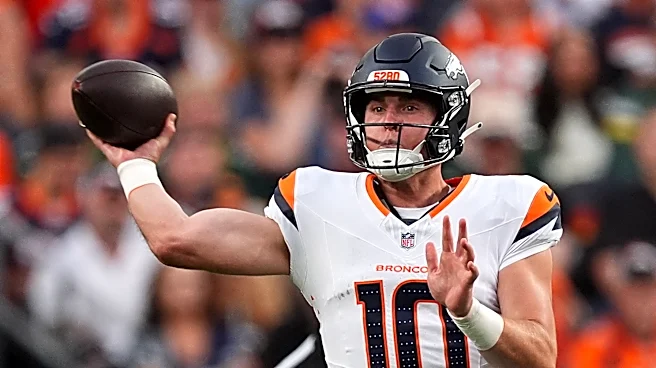
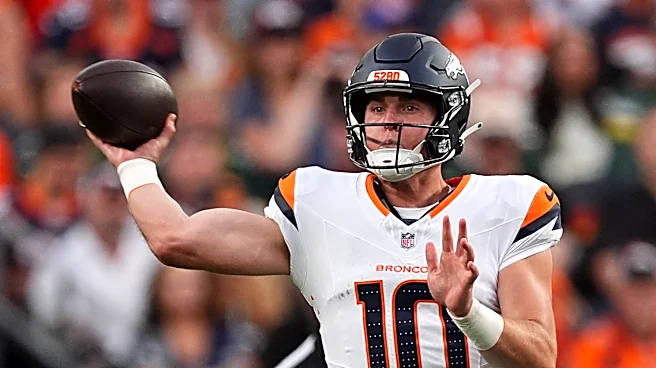
With increased salary cap flexibility, the Denver Broncos are now better positioned to make strategic roster moves. Quarterback Bo Nix, who still has two seasons remaining on his rookie contract and a potential fifth-year option for the 2028 season, will be eligible for a contract extension next spring. The team's ability to offer a competitive extension to Nix, or to attract other talent, will be significantly enhanced by their reduced 'dead money' obligations. This financial freedom could lead to a more aggressive approach in the upcoming free agency periods and draft, as the Broncos look to build a more competitive team around their current core players and future prospects.
Beyond the Headlines
The concept of 'dead money' in professional sports contracts, while seemingly a technical financial detail, has profound implications for team dynamics and player careers. It underscores the inherent risks in large, guaranteed contracts and the long-term financial commitments teams undertake. For players, it can mean job security but also potential limitations on future opportunities if a team is burdened by past contracts. For team management, navigating 'dead money' requires a delicate balance of financial prudence and competitive ambition. The Broncos' situation serves as a case study in how a team can recover from a significant financial setback, demonstrating the strategic importance of cap management in the modern NFL.