







What's Happening?
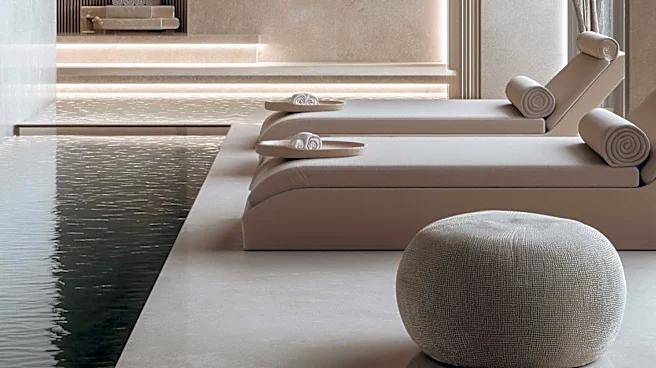
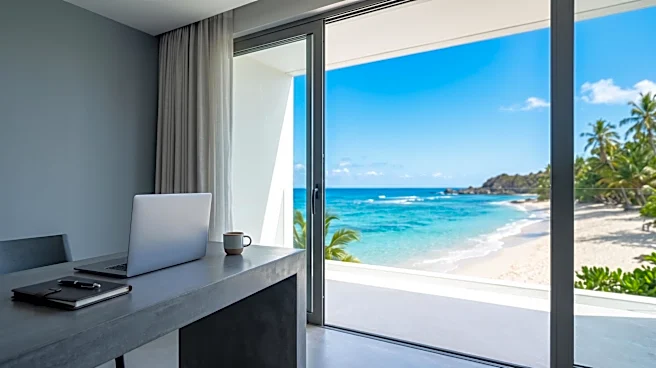
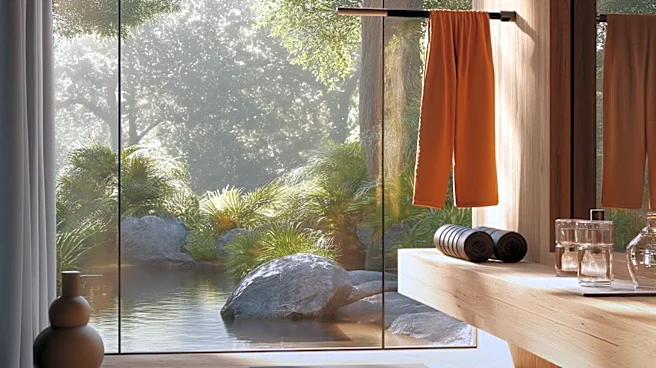
The hotel industry is undergoing a significant transformation, moving beyond traditional spa services to integrate longevity and wellness directly into guestrooms. This shift is driven by a universal aspiration for health among travelers, who now expect
their accommodations to support sleep, recovery, and metabolic well-being. Hotels are responding by incorporating features such as circadian lighting, soundproofing, HEPA filtration systems, and low-VOC materials into room design. Additionally, minibars are being curated with metabolically healthy options instead of conventional snacks. This approach aims to optimize guest outcomes, ensuring travelers leave feeling healthier than when they arrived, rather than just providing isolated wellness amenities.
Why It's Important?
This trend is crucial for the U.S. hospitality sector as it represents a structural shift in how travelers select hotels and how properties generate revenue. By embedding wellness into every guest's stay, hotels can differentiate themselves in a competitive market, attract health-conscious consumers, and potentially command higher average daily rates (ADRs). This strategy also fosters greater customer loyalty and lifetime value, as guests prioritize well-being. For the broader economy, it signifies a growing market for wellness-focused products and services within the travel industry, encouraging innovation in hotel technology and design. Hotels that fail to adapt risk becoming less relevant as guest expectations continue to rise, impacting their market share and profitability.
What's Next?
The integration of longevity and wellness into guestrooms is expected to expand across various hotel segments, moving from luxury resorts to more accessible options. Future developments may include more advanced in-room recovery equipment, personalized sleep tracking technologies, and further customization of environmental controls. Hotels will likely focus on creating coherent wellness philosophies that are reflected in every aspect of the guestroom experience, rather than simply adding disconnected products. This will involve deeper collaboration with health and wellness experts to design spaces that genuinely support guest well-being. The industry may also see the emergence of new certification standards or branding specifically for 'longevity hotels' to help consumers identify properties committed to these principles.
Beyond the Headlines
This movement has deeper implications for public health and consumer behavior. It signifies a growing awareness and demand for proactive health management, even while traveling. By making wellness accessible and integrated into daily routines, hotels can contribute to a culture of health and well-being. Ethically, it raises questions about the responsibility of hospitality providers to promote guest health and the potential for 'wellwashing' if these initiatives are not genuinely outcome-focused. Culturally, it reflects a shift in luxury, where true indulgence is increasingly defined by experiences that enhance health and vitality, rather than just opulence. This could lead to a redefinition of what constitutes a premium travel experience, emphasizing restorative and health-promoting environments.