




What's Happening?
A gardening explainer highlights the benefits of self-sowing flowers, also known as volunteer plants, for creating resilient and low-maintenance garden spaces in the U.S. These plants establish stronger root systems and adapt well to local conditions,
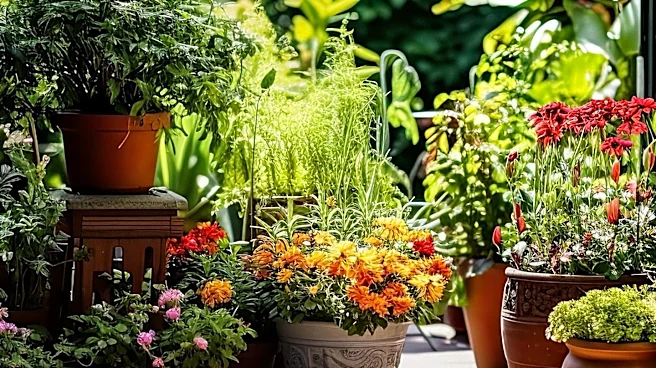
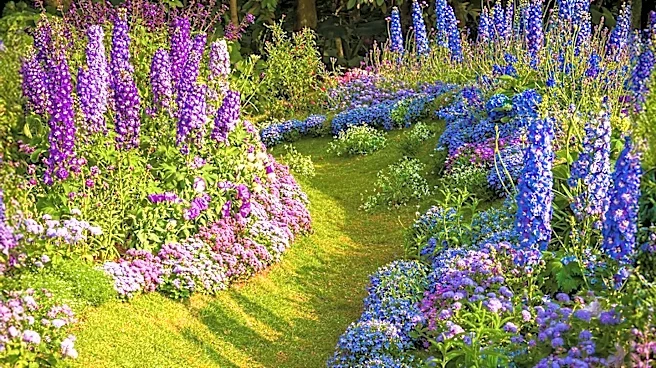
requiring less effort from gardeners. Examples of effective self-seeders include Spigelia marilandica, which produces vivid tubular blooms attractive to pollinators and thrives in shaded or woodland gardens. Other notable self-sowing plants mentioned are dill, fennel, Nicotiana, and dandelions, which can extend color and texture throughout various seasons. The guidance for cultivating these plants involves allowing seed heads to mature, avoiding herbicides and iron-based treatments in designated areas, and leaving small patches undisturbed to allow plants like violas to colonize patios, borders, and lawn edges. The article illustrates how various flowers, such as crocuses, tulips, and columbine, can naturalize in a garden setting.
Why It's Important?
This gardening approach is important for U.S. homeowners and gardeners seeking sustainable and less labor-intensive ways to enhance their outdoor spaces. The concept of self-sowing flowers promotes biodiversity by attracting pollinators and creating natural habitats, contributing to local ecosystems. For individuals with busy lifestyles or those looking to reduce their environmental footprint, these plants offer a practical solution for maintaining beautiful gardens with minimal intervention. The ability of these plants to adapt to local conditions also means they often require less water and fewer chemical inputs, aligning with growing interests in eco-friendly landscaping. This trend can lead to more resilient gardens that are better equipped to handle changing climate conditions and reduce the overall cost and effort associated with traditional gardening practices.
What's Next?
As awareness of the benefits of self-sowing flowers grows, more U.S. gardeners may adopt these practices, leading to a shift in landscaping trends. Educational resources and nurseries might increasingly promote self-seeding varieties and provide guidance on how to integrate them into existing gardens. This could result in a greater diversity of plant life in residential and public green spaces, fostering healthier local ecosystems. Homeowners might also experiment with different self-sowing species to discover which ones thrive best in their specific microclimates and soil conditions. The long-term impact could be a more naturalized and sustainable approach to gardening across the country, reducing reliance on annual planting and intensive maintenance.
Beyond the Headlines
The embrace of self-sowing flowers reflects a deeper philosophical shift in gardening from strict control and manicured aesthetics to a more harmonious collaboration with nature. It encourages gardeners to observe and appreciate the natural cycles of plants, allowing them to self-propagate and evolve organically. This approach can foster a greater connection to the local environment and a deeper understanding of ecological principles. Ethically, it promotes a less interventionist stance, valuing the resilience and adaptability of plants. Culturally, it challenges the notion of a 'perfect' garden, instead celebrating the wilder, more spontaneous beauty that emerges when nature is given space to flourish. This movement could inspire a broader re-evaluation of urban and suburban landscapes, encouraging designs that are both aesthetically pleasing and ecologically sound.