




What's Happening?
Vox has reported on a growing trend of combativeness and antagonism in modern dating culture, both online and offline. Relationship experts, historians, and critics agree that dating feels different now, with many singles approaching interactions with suspicion
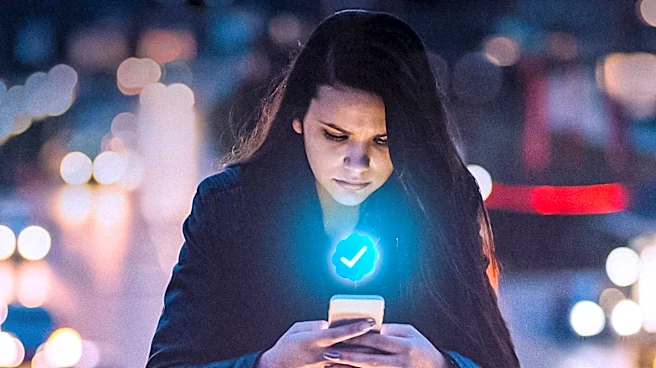
and defensiveness. This shift is attributed to several factors, including the prevalence of online dating apps, which connect individuals with virtual strangers and condense the 'sussing-out' phase of getting to know someone. Social media platforms, particularly TikTok, are also cited for fueling this combative atmosphere by providing outlets for singles to share grievances, leading to new dating vernacular and reinforcing negative stereotypes. The article highlights instances where individuals enter dates with preconceived negative assumptions, making genuine connection difficult.
Why It's Important?
The reported increase in combativeness in U.S. dating culture has significant societal implications. It suggests a decline in trust and empathy in interpersonal interactions, which can lead to increased isolation and difficulty in forming stable relationships. This trend can contribute to higher rates of relationship dissatisfaction and potentially impact mental health, as individuals navigate a dating landscape characterized by suspicion and antagonism. For industries related to dating and relationships, such as dating apps and counseling services, this presents both challenges and opportunities to adapt their approaches to foster healthier interactions. The perpetuation of negative stereotypes through social media also reinforces harmful gender roles and expectations, hindering progress towards more equitable and respectful relationships.
What's Next?
Addressing the combativeness in modern dating will likely require a multi-faceted approach. Dating apps may need to re-evaluate their algorithms and features to encourage more meaningful connections and reduce superficiality. Educational initiatives could focus on promoting empathy, healthy communication, and realistic expectations in dating. Social media platforms might face increased pressure to moderate content that perpetuates harmful stereotypes and fosters antagonism. Individuals, too, will need to consciously challenge their own biases and approach dating with greater openness and curiosity. Without such interventions, the trend of combative dating could continue to erode trust and make it increasingly difficult for people to find fulfilling romantic partnerships.
Beyond the Headlines
The phenomenon of combative dating reflects broader societal anxieties and a general increase in tension and polarization within the U.S. The article suggests that this combativeness in dating mirrors similar trends in politics and everyday interactions, where suspicion and defensiveness have become more common. This points to a deeper cultural shift where individuals may feel a greater need to protect themselves, leading to a 'walls up' approach in vulnerable situations like dating. The concept of 'heteropessimism,' where some young women express embarrassment about being attracted to men, further illustrates the impact of societal pressures and negative experiences on individual romantic outlooks. This trend highlights the ethical challenge of fostering genuine human connection in an environment saturated with digital mediation and heightened social scrutiny.