





What's Happening?
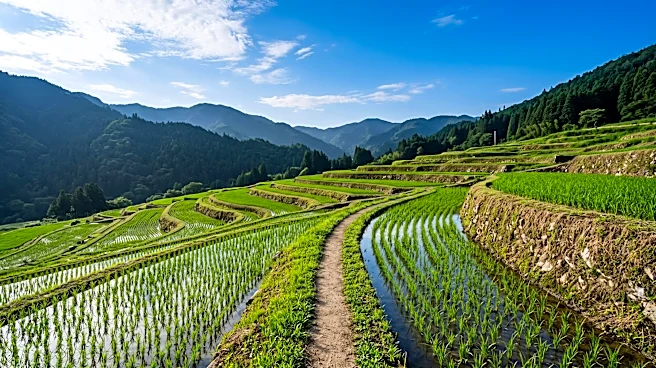
Walk Japan, a company founded in 1992, is promoting small-group walking experiences that aim to connect travelers with Japan's rural landscapes, local communities, traditional gastronomy, and hot springs. The company offers both guided and self-guided
tours, encouraging visitors to explore areas beyond the country's well-known cities and landmarks. Recently, founder and CEO Paul Christie shared insights from these tours in Kuala Lumpur, highlighting the company's focus on a slower pace of travel and deeper cultural immersion. Walk Japan is also looking ahead to its 35th anniversary in 2027, continuing its mission to showcase Japan's diverse regions and communities.
Why It's Important?
This initiative is important as it shifts the focus of tourism in Japan from conventional sightseeing to experiential travel, emphasizing cultural exchange and engagement with local communities. By promoting rural areas, Walk Japan contributes to the economic development of regions that might otherwise be overlooked by mass tourism. This approach also offers travelers a more authentic and intimate understanding of Japanese culture, history, and natural beauty. The emphasis on sustainable and community-focused tourism can help preserve local traditions and environments, fostering a more respectful and beneficial interaction between visitors and hosts. For the U.S. travel market, this provides an alternative for those seeking unique and immersive international experiences, moving beyond typical tourist itineraries.
What's Next?
Walk Japan plans to continue expanding its offerings, with a focus on exploring Japan's landscapes, communities, and culture at a slower pace. The company is preparing for its 35th anniversary in 2027, suggesting ongoing development and promotion of its unique travel experiences. Travelers can anticipate new itineraries that delve into lesser-known regions, combining walking with local food, traditional accommodation, and community encounters. The company's continued presence and outreach, such as the recent event in Kuala Lumpur, indicate a sustained effort to attract a global audience interested in immersive and culturally rich travel.
Beyond the Headlines
The trend towards experiential and sustainable tourism, as exemplified by Walk Japan, reflects a broader shift in global travel preferences. Travelers are increasingly seeking meaningful connections and authentic experiences over superficial sightseeing. This movement has ethical implications, as it encourages responsible tourism that supports local economies and respects cultural heritage. By moving beyond the 'tick-box' approach to travel, companies like Walk Japan are fostering a deeper appreciation for the nuances of different cultures and environments. This can lead to long-term benefits for both travelers, who gain richer perspectives, and host communities, who benefit from more sustainable and respectful engagement.