
What's Happening?
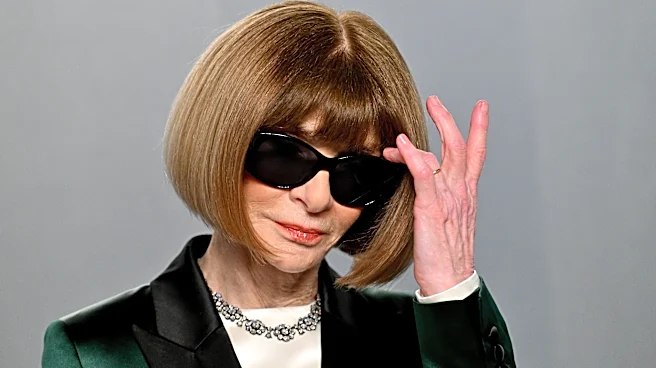
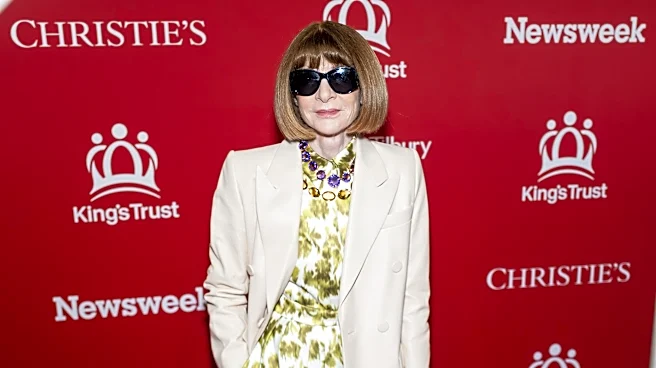
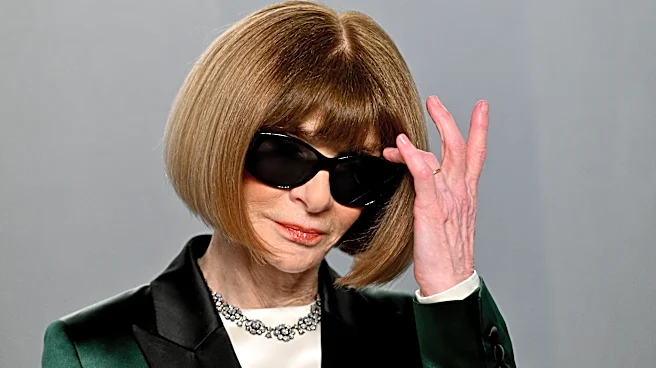
Anna Wintour, the global editorial director of Vogue and Chief Content Officer at Condé Nast, is reportedly distancing herself from a controversial Taylor Swift profile published by Vanity Fair. According
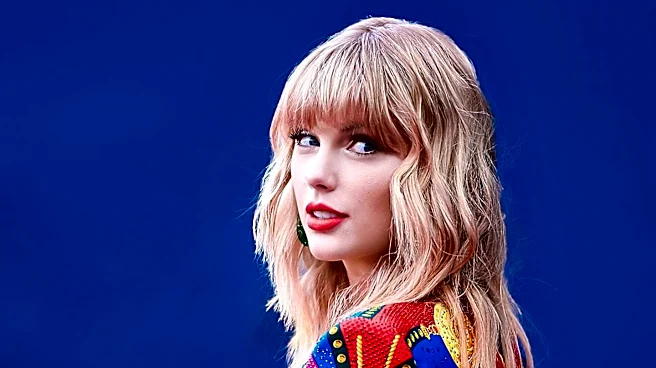
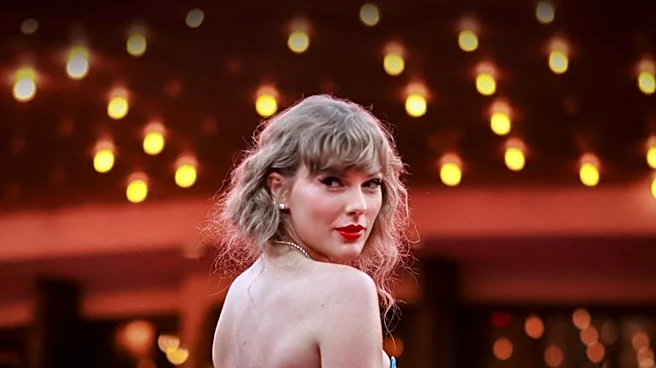
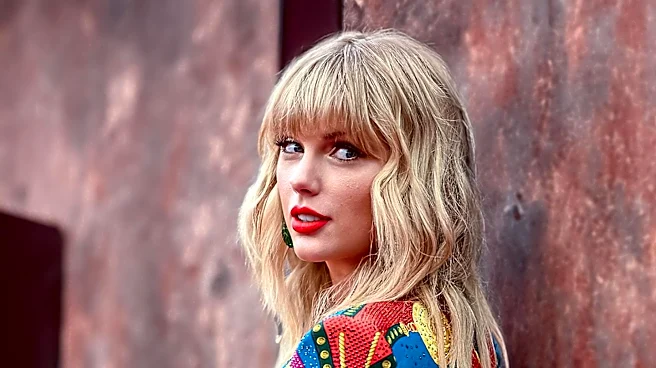
to Page Six, sources familiar with the situation claim Wintour 'doesn't want to be involved in any of this,' preferring 'access' to celebrities. The article, titled 'The Mastermind,' has generated significant backlash for its critical examination of Swift's public image, childhood, and career, drawing on interviews with over 100 individuals. Chloé Malle, head of editorial content for Vogue US, also reportedly expressed concerns about the profile potentially damaging Condé Nast's relationship with Swift. Despite the internal unease, Vanity Fair's global editorial director, Mark Guiducci, appointed by Wintour in June 2025, is reportedly standing by the decision to publish the feature and is pleased with the attention it has garnered. Representatives for Wintour and Vogue, however, have denied these allegations, stating there is 'no truth to any of it,' while acknowledging Wintour was aware of the feature before publication.
Why It's Important?
This situation highlights the delicate balance major media organizations like Condé Nast must maintain between journalistic integrity and celebrity relationships. Taylor Swift is a highly influential figure in entertainment, and antagonizing her could jeopardize future collaborations, such as Vogue covers or appearances at the Met Gala, which Wintour co-chairs. The controversy also raises questions about the ethics of journalism, particularly regarding the use of anonymous sources and revisiting past incidents, as critics have questioned the reliability and fairness of 'The Mastermind' profile. The internal disagreement within Condé Nast, with Wintour reportedly seeking distance while Guiducci stands firm, underscores potential tensions between different editorial strategies and their impact on the company's broader business interests and public image. The outcome could influence how other media outlets approach celebrity profiles and manage their relationships with powerful public figures.
What's Next?
The immediate aftermath will likely involve continued public debate surrounding Vanity Fair's profile and its journalistic methods. Condé Nast will need to navigate the fallout, potentially addressing concerns from both the public and within its own ranks regarding its editorial standards and celebrity engagement strategies. The reported internal divisions could lead to further discussions about editorial oversight and the balance between provocative journalism and maintaining industry relationships. While Vanity Fair's spokesperson has dismissed suggestions that Guiducci's position is under threat, the long-term implications for his role and the magazine's editorial direction remain to be seen. The incident may also prompt other media organizations to re-evaluate their approaches to high-profile celebrity coverage, considering the potential for backlash and damage to relationships.
Beyond the Headlines
Beyond the immediate controversy, this event touches upon broader themes of media power, celebrity culture, and the evolving landscape of journalism. The reported desire for 'access' by figures like Anna Wintour underscores the symbiotic, yet often fraught, relationship between media and celebrities, where mutual benefit can sometimes influence editorial decisions. The debate over 'The Mastermind' profile also reflects a societal discussion about accountability in reporting, particularly when dealing with powerful individuals and the use of anonymous sources. It raises questions about the public's right to know versus a celebrity's right to privacy and the potential for media to shape or distort public perception. This incident could contribute to a larger conversation about the responsibilities of major media conglomerates in an era where public figures wield significant influence and public opinion can rapidly shift.