






What's Happening?
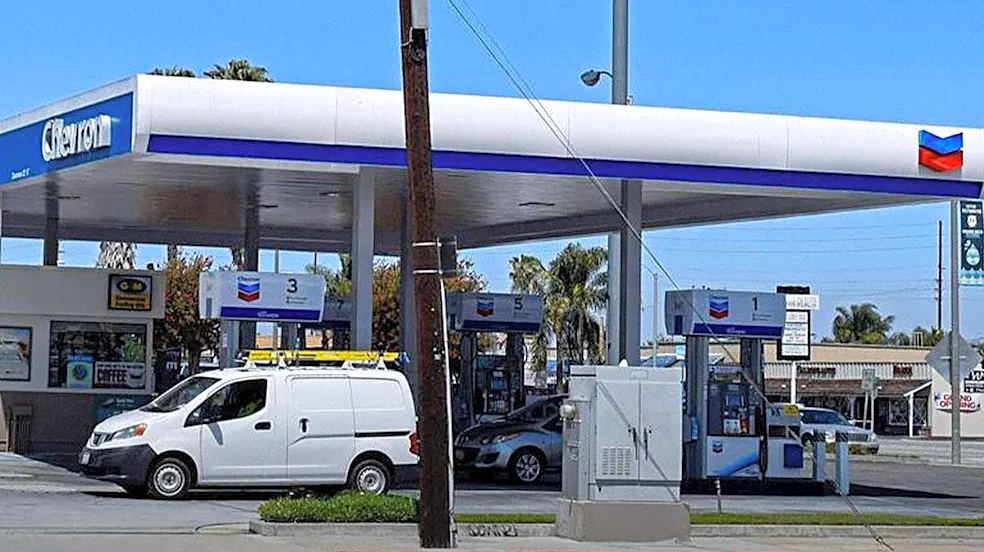
Chevron Corporation is exploring the potential sale of several mature oil and gas assets in the U.S. Gulf of Mexico, a move that could generate approximately $1 billion. This initiative is part of Chevron's broader strategy to streamline its operations
and concentrate resources on high-growth opportunities. The proposed divestment portfolio includes fields such as Petronius, Tubular Bells, and Llano, along with working interests in other operated and non-operated offshore fields. Chevron inherited a 50% stake in Llano following its acquisition of Hess. The company aims to increase its U.S. Gulf production to 300,000 barrels of oil equivalent per day by the end of 2026, focusing on newer developments like Anchor and Ballymore. While a marketing process has begun, Chevron has stated that there is no certainty that these properties will ultimately be sold.
Why It's Important?
This potential divestment by Chevron signifies a strategic shift within a major U.S. energy company, impacting the domestic oil and gas landscape. By shedding mature assets, Chevron aims to optimize its portfolio, redirecting capital and resources towards projects with greater long-term growth potential and higher returns. This could lead to increased efficiency and profitability for Chevron, benefiting its shareholders. For the U.S. energy sector, the availability of these assets could present acquisition opportunities for other companies, potentially smaller or specialized operators, looking to expand their presence in the Gulf of Mexico. This could foster competition and reallocate production capabilities within the region. The focus on newer, technologically advanced projects like Anchor also highlights the industry's move towards more complex and potentially higher-yield deepwater developments, influencing future investment trends and technological innovation in offshore drilling.
What's Next?
Chevron's marketing process for these mature Gulf assets is expected to unfold over several months. Potential buyers could include international offshore operators seeking to establish or expand their U.S. Gulf presence, domestic energy companies with existing regional operations, or other major energy producers. The success of the divestment will depend on buyer interest, valuation negotiations, and market conditions, particularly oil prices. If successful, Chevron will likely reallocate the proceeds and resources towards its priority growth projects, such as Anchor and Ballymore, to meet its target of 300,000 barrels of oil equivalent per day by the end of 2026. The outcome of this process will also provide insights into the appetite for mature U.S. offshore assets and the strategic direction of other major players in the energy sector.
Beyond the Headlines
Chevron's decision to divest mature assets reflects a broader trend in the energy industry where companies are continuously optimizing their portfolios to adapt to evolving market dynamics, technological advancements, and environmental considerations. While the immediate focus is on financial returns and growth projects, this move also subtly touches upon the long-term sustainability of oil and gas production. By divesting older, potentially less efficient assets, Chevron can concentrate on newer developments that might incorporate more advanced technologies for extraction and environmental management, aligning with increasing pressures for responsible energy production. This strategic re-evaluation by a major player like Chevron could set a precedent for other energy companies, influencing investment in new technologies and potentially accelerating the transition towards more efficient and less carbon-intensive operations within the traditional energy sector, even as they continue to extract fossil fuels.