


What's Happening?
Gen Z is increasingly romanticizing and adopting various millennial trends that they previously dismissed as 'cringe.' This shift, dubbed 'millennial optimism' by Gen Zers, sees a resurgence of early 2000s hipster culture. Specific trends making a comeback
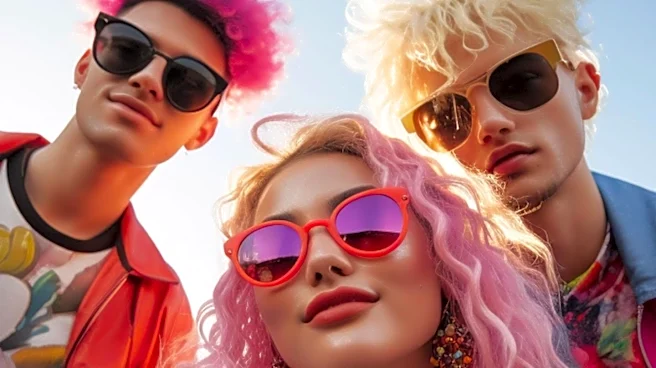
include the use of Instagram filters, which were once considered overly edited but are now seen as whimsical in an AI-dominated photo world. Aesthetic photos from the 2010s, characterized by distinct looks like sepia tones with color accents or Starbucks Frappuccinos in front of landmarks, are also being re-evaluated. Shoe photos, particularly featuring brands like Converse, Vans, or Dr. Martens, are gaining traction again, moving beyond just showing location to emphasizing brand identity. Twee fashion, a whimsical 60s mod-inspired style with Peter Pan collars and mini skirts, is experiencing a revival, as noted by Kristin Bateman in Vogue. Maximalism, involving pattern mixing and bold accessories, is also making a comeback, with graphic T-shirts and printed leggings being reinterpreted. Additionally, skateboarding, once a symbol of coolness for millennials, is being embraced, influenced by figures like Tony Hawk. The use of older technology such as typewriters, Polaroid cameras, and record players, previously seen as backward, is now appreciated for its analog aesthetic. Finally, millennial mottos like 'Keep Calm and Carry On' and a general 'peace and love' vibe are finding new resonance.
Why It's Important?
This cultural shift highlights a cyclical nature of trends and the evolving relationship between generations. For businesses, particularly in fashion and technology, understanding this romanticization of past trends is crucial. Brands that can tap into 'millennial optimism' by reintroducing or reinterpreting styles and products from the early 2000s could see significant market opportunities. The resurgence of twee fashion and maximalism, for instance, indicates a potential for increased demand in specific clothing styles and accessories. The renewed interest in older technology suggests a niche market for retro gadgets and analog experiences, potentially boosting sales for companies offering such products. Social media platforms and content creators will also need to adapt, as the aesthetic preferences of Gen Z shift from perfectly unedited photos to a more whimsical, filtered look. This trend also reflects a broader societal yearning for simpler, more tangible experiences in an increasingly digital and AI-driven world, impacting consumer behavior and marketing strategies across various sectors. The re-evaluation of 'cringe' trends by a younger generation underscores the subjective and transient nature of cultural value, influencing how products and lifestyles are perceived and adopted.
What's Next?
The continued romanticization of millennial trends by Gen Z is likely to lead to further integration of these styles and behaviors into mainstream culture. We can anticipate fashion brands releasing collections inspired by twee and maximalist aesthetics, potentially leading to collaborations that blend vintage and contemporary designs. Technology companies might explore the reintroduction of analog-inspired products or features that mimic older tech experiences, catering to Gen Z's nostalgia for 'older technology.' Social media platforms may see a shift in popular photo editing styles, with more users opting for filters and aesthetics reminiscent of the early 2010s. Retailers could also capitalize on this by curating sections dedicated to 'millennial core' or 'throwback' items. The influence of this trend could extend to entertainment, with more media content drawing inspiration from the early 2000s. As Gen Z continues to shape consumer markets, businesses across various industries will need to monitor these evolving preferences to remain relevant and capture this demographic's spending power. This cultural phenomenon also suggests a potential for intergenerational dialogue and shared experiences, as millennials might find their past trends validated and re-embraced.
Beyond the Headlines
This phenomenon delves deeper than mere fashion and technology trends; it reflects a broader cultural commentary on authenticity, nostalgia, and the impact of digital evolution. The embrace of 'older technology' and 'whimsical edits' in an 'AI photo world' suggests a counter-movement against the hyper-polished, often artificial, digital landscape. Gen Z's romanticization of these trends could be interpreted as a search for a more tangible, less curated past, offering a sense of comfort and genuine expression in an era dominated by advanced algorithms and AI. Ethically, this raises questions about the commodification of nostalgia and whether brands are genuinely responding to a cultural shift or merely exploiting a fleeting trend. Sociologically, it highlights the continuous reinterpretation of cultural artifacts across generations, where what was once dismissed as 'cringe' gains new meaning and value. This cyclical nature of trends also underscores the idea that every generation seeks to define itself, often by re-evaluating and re-contextualizing the past. The 'millennial optimism' embraced by Gen Z might also signify a desire for the perceived innocence or simplicity of a pre-pandemic, less politically charged era, offering a psychological escape through fashion and lifestyle choices.