






What's Happening?
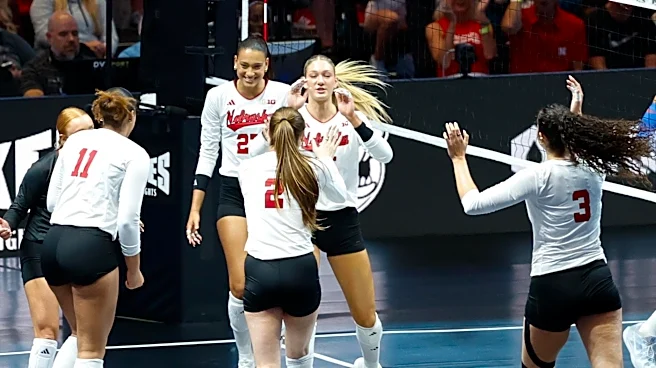
The University of Alaska Anchorage (UAA) and University of Alaska Fairbanks (UAF) volleyball teams both achieved dominant 3-0 records at the recent Seawolf Invitational. UAA, under first-year head coach Morgan Hooe, secured its first home win against
Texas Woman's University, followed by victories over Lenoir-Rhyne and Chico State. Seniors Bella Burney and Lee Ivakina were named to the all-tournament team, with Burney earning Most Outstanding Player honors. UAF also swept Chico State and Lenoir-Rhyne, and won a five-set match against Texas Woman's University, with seniors Cynphany Henderson and Tessa Onaga receiving All-Tournament Team honors. In other Alaskan sports news, several athletes achieved significant collegiate milestones outside the state. Anchorage's Parker Sullivan scored her first collegiate goal for Idaho State University women's soccer, and Tatum Porter recorded her first multi-goal game for the University of Hawaii at Manoa women's soccer team. Brooklyn Reid of Anchorage made her first career start and achieved her first shutout as a goaltender for the University of Michigan women's soccer team. Additionally, Addysen Gasser and Blake Plummer scored their first goals of the season for Regis University women's soccer.
Why It's Important?
The strong performance of UAA and UAF volleyball teams at the Seawolf Invitational highlights the growing competitiveness of collegiate sports programs in Alaska, potentially attracting more talent to the state's universities. This success can boost school spirit, increase local engagement with college athletics, and provide positive exposure for Alaskan institutions on a broader stage. The achievements of Alaskan athletes in collegiate sports outside the state are also significant. These individual successes demonstrate the high caliber of athletic talent originating from Alaska and serve as an inspiration for younger athletes in the region. Their accomplishments contribute to the national recognition of Alaska as a source of skilled sports professionals, potentially opening doors for future generations of Alaskan athletes to pursue higher education and professional careers in sports. This collective success underscores the development of sports programs and coaching within Alaska, fostering a culture of athletic excellence.
What's Next?
Following their successful Seawolf Invitational, both UAA and UAF volleyball teams will continue their seasons, aiming to maintain their momentum against upcoming opponents. Their performance will be closely watched as they progress through their respective conferences, with potential implications for national rankings and postseason play. For the Alaskan collegiate athletes excelling outside the state, their individual and team performances will contribute to their overall collegiate careers, potentially leading to further accolades, professional opportunities, or even Olympic aspirations. The continued success of these athletes could also influence recruitment efforts for college programs, both within and outside Alaska, as coaches seek out promising talent. Locally, high school sports in Alaska will continue with key matchups in football, tennis, and cross country, serving as a pipeline for future collegiate athletes.
Beyond the Headlines
The success of Alaskan athletes, both within the state's collegiate programs and in institutions across the U.S., reflects a broader narrative of athletic development and opportunity in a region often perceived as geographically isolated. This trend suggests that investments in youth sports programs, coaching, and facilities within Alaska are yielding tangible results. Beyond the immediate athletic achievements, these successes can have a profound impact on community pride and identity. They showcase the resilience and dedication of Alaskan youth, challenging stereotypes and highlighting the diverse talents nurtured in the state. Furthermore, the visibility gained through these athletic accomplishments can indirectly benefit Alaskan universities and communities by drawing attention to their educational offerings and unique cultural environment, potentially fostering economic and social development.