





What's Happening?
Meera Sodha, a cookbook author and ambassador for Action Against Hunger, embarked on a trip to Uganda with her 75-year-old father, Raj Sodha, who was born there but left in 1970 before Idi Amin's expulsion of Ugandan Asians. The journey marked his first
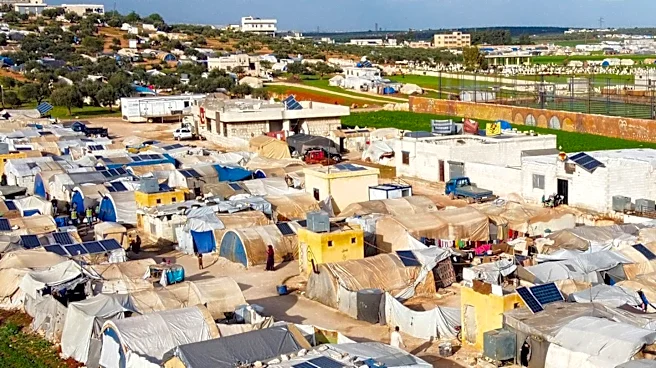
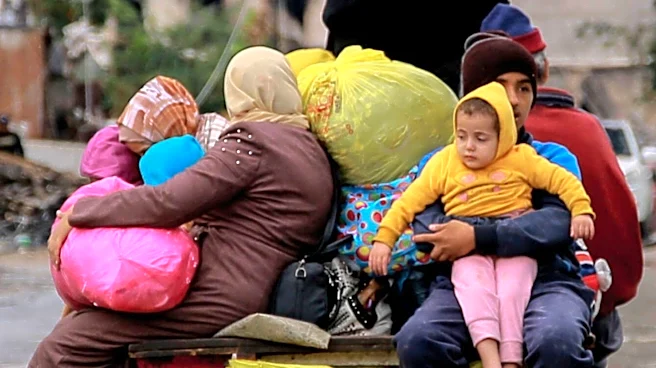
return to his homeland, a place he had previously expressed no desire to revisit due to a childhood marked by grief, food poverty, and hardship. The trip was split into two main objectives: to revisit Raj Sodha's childhood haunts and to engage with Action Against Hunger's humanitarian work in refugee settlements. Despite initial reluctance and his past stoicism regarding his Ugandan experiences, Raj Sodha agreed to the trip. The visit included emotional moments, such as his reaction to seeing refugee settlements and his unexpected joy in dancing with refugees, which challenged his previously held views on immigration. The journey also involved a search for his family's past, including the shop his father owned and encounters with individuals who remembered his family.
Why It's Important?
This personal journey highlights the complex emotional and historical ties many individuals have to their ancestral lands, especially those who experienced forced displacement or significant hardship. Raj Sodha's return to Uganda, a country he left as a young man and never intended to see again, underscores the lasting impact of historical events like the expulsion of Ugandan Asians. His evolving perspective on immigration after witnessing the compassionate treatment of refugees in Uganda offers a powerful narrative on empathy and understanding. Furthermore, Meera Sodha's involvement with Action Against Hunger brings attention to the critical humanitarian work being done in Uganda, which hosts a large refugee population despite its own economic challenges. The story implicitly emphasizes the role of personal narratives in shaping broader societal views on migration, aid, and historical reconciliation.
What's Next?
While the article does not explicitly detail future plans, the experience could inspire further engagement from Meera Sodha in humanitarian advocacy, potentially leveraging her platform to raise awareness and support for refugees and food security initiatives. For Raj Sodha, the trip may lead to a deeper processing of his past and a more open dialogue with his family about his experiences. His suggestion of setting up a solar panel distribution company for farmers in Uganda indicates a potential for future philanthropic or business ventures aimed at supporting the country. The narrative also suggests a continued exploration of cultural identity and heritage for Meera Sodha, possibly influencing her future culinary work and storytelling. The trip serves as a powerful personal milestone, the long-term ripple effects of which could manifest in various forms of continued engagement with Uganda and humanitarian causes.
Beyond the Headlines
The story delves into the profound psychological impact of displacement and trauma across generations. Raj Sodha's initial reluctance to return and his stoicism reflect a common coping mechanism for individuals who have endured significant hardship. His eventual emotional openness and joy during the trip illustrate the healing potential of confronting one's past. The narrative also subtly explores the dynamics of intergenerational relationships, as Meera Sodha takes on a caregiving role for her father, reversing their traditional roles. This journey transcends a simple homecoming; it is a testament to the enduring human spirit, the power of empathy to shift long-held beliefs, and the complex interplay between personal history and global humanitarian issues. It highlights how individual stories can illuminate broader themes of identity, resilience, and the universal need for belonging and security.