




What's Happening?
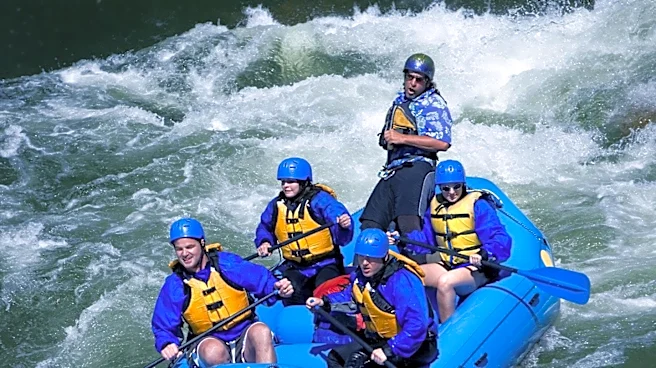
Whitewater rafting on the Spokane River in Washington provides a distinctive outdoor adventure, allowing participants to experience natural beauty close to downtown Spokane. Wiley E. Waters offers guided rafting trips that cater to various preferences,
from exciting whitewater adventures to relaxing scenic floats. The Spokane River features Class II and Class III rapids, including notable sections like Bowl and Pitcher and Devil’s Toenail, with conditions varying based on seasonal water levels. The river winds through diverse landscapes, including basalt rock formations and forested shorelines within Riverside State Park. This accessibility makes Spokane a unique destination where urban convenience meets outdoor adventure, distinguishing it from other rafting locations that often require extensive travel to remote areas. The experience is suitable for families, beginners, and corporate groups, with guides providing instruction on paddling techniques and safety procedures.
Why It's Important?
The availability of whitewater rafting within minutes of downtown Spokane offers significant recreational and economic benefits to the region. It enhances Spokane's appeal as a tourist destination, attracting visitors seeking outdoor activities without sacrificing urban amenities. This accessibility can boost local tourism, hospitality, and related businesses, contributing to the local economy. For residents, it provides an easily accessible outlet for outdoor recreation, promoting physical activity and engagement with nature. The Spokane River's unique combination of rapids and scenic beauty, coupled with its urban proximity, positions it as a valuable asset for community well-being and regional development. Furthermore, it offers a distinct option for corporate team-building and group events, fostering communication and cooperation in an engaging outdoor setting.
What's Next?
As awareness of Spokane River rafting grows, it is likely to attract more tourists and local participants, potentially leading to increased demand for guided trips and related services. Operators like Wiley E. Waters may expand their offerings or capacity to accommodate this growth. The continued promotion of Spokane as a destination that combines urban attractions with accessible outdoor adventures could further solidify its reputation. Local tourism boards and businesses might leverage this unique selling proposition in their marketing efforts. Additionally, ongoing monitoring of river conditions and water levels will remain crucial for ensuring safety and optimizing the rafting experience throughout different seasons, influencing the types of trips offered at various times of the year.
Beyond the Headlines
The integration of a significant natural recreational asset like the Spokane River within an urban environment highlights broader trends in urban planning and environmental conservation. It underscores the value of preserving natural corridors within city limits, providing residents and visitors with direct access to wilderness experiences. This proximity can foster a greater appreciation for local ecosystems and encourage environmental stewardship. The success of such ventures also demonstrates how cities can leverage their natural landscapes to enhance quality of life and economic vitality, moving beyond traditional urban development models. It presents a model for other cities with similar natural features to explore how they can better integrate and promote outdoor activities as a core component of their urban identity and appeal.