





What's Happening?
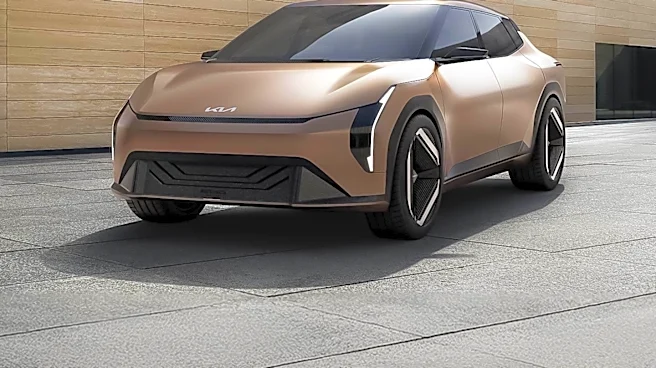
Kia's current design philosophy, characterized by a blend of muscular and '80s-inspired diagonal lines with a cyberpunk aesthetic, is generating varied opinions among automotive critics. While some initially praised the K4's design as a significant step
forward for the brand, others, like Adam Ismail of The Drive, now find the aesthetic, particularly in models like the new Kia Seltos, to be rigid, blocky, and overly 'techy.' Ismail suggests that while modern and surprising designs can initially capture attention, their longevity and aesthetic appeal over time can be questionable. Despite this critical perspective, the new Kia Seltos has seen a substantial 45% increase in sales through September 2026, indicating that American buyers are largely receptive to the brand's current design direction. This suggests a disconnect between some critical assessments and consumer preferences in the U.S. market.
Why It's Important?
This divergence between critical opinion and consumer sales highlights a significant trend in the U.S. automotive market: design aesthetics, even those deemed 'frivolous' or 'over-the-top' by experts, can drive substantial sales growth, especially in more affordable vehicle segments. For Kia, this strong sales performance, despite mixed critical reviews, validates their design strategy and indicates a successful connection with a broad base of American buyers. This could influence future design decisions across the industry, potentially encouraging manufacturers to prioritize bold, attention-grabbing aesthetics over more universally 'timeless' or 'intuitive' designs, particularly for mass-market vehicles. The success of Kia's approach suggests that for many consumers, a distinctive and modern look, even if polarizing, is a key purchasing factor, potentially outweighing concerns about long-term aesthetic aging or minor ergonomic compromises.
What's Next?
Given the strong sales figures for models like the Seltos, Kia is likely to continue refining and expanding its current design language across its U.S. lineup. This success could also prompt other automotive manufacturers to re-evaluate their own design strategies, potentially leading to a broader trend of more adventurous and less conventional vehicle aesthetics in the American market. Consumers can expect to see more vehicles with bold, 'cyberpunk-ish' or 'techy' designs from Kia and potentially its competitors. The ongoing debate between critical aesthetic judgment and market success will likely continue, with sales performance serving as the ultimate arbiter of design effectiveness in the competitive U.S. auto industry.
Beyond the Headlines
The phenomenon of a design being critically panned yet commercially successful touches upon the broader cultural dynamics of consumerism and taste. In an era of rapid technological advancement and constant novelty, 'surprise' and distinctiveness, even if fleeting, can be powerful market drivers. This suggests that for many consumers, a vehicle is not just a functional object but also a statement of modernity and a reflection of current trends. The challenge for automakers like Kia will be to balance this desire for novelty with the need for designs that age gracefully and maintain long-term appeal, avoiding the risk of becoming quickly outdated. This trend also raises questions about the role of automotive journalism in shaping public perception versus reflecting actual market demand.