





What's Happening?
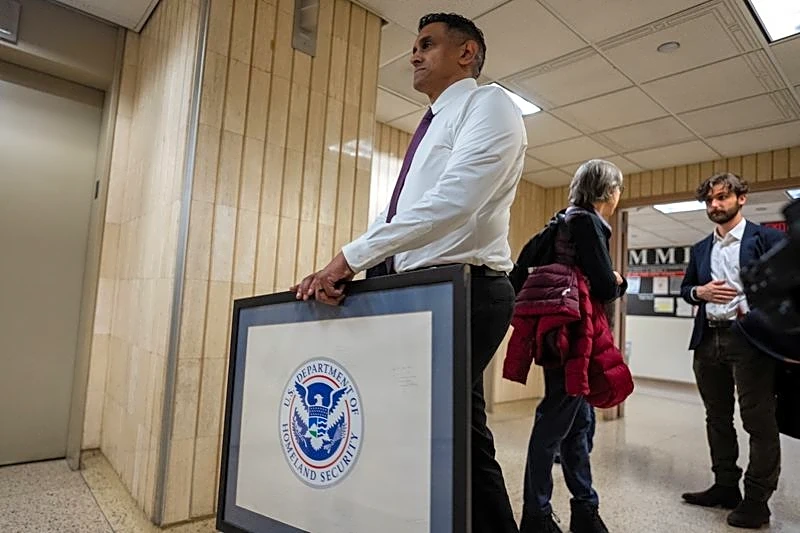
The U.S. Department of Justice (DOJ) and the Department of Homeland Security (DHS) have established a Trade Fraud Task Force (TFTF) to intensify enforcement against trade fraud, including tariff evasion. This initiative comes as tariffs have increased,
creating greater incentives for companies to under-declare values or reroute goods to avoid duties. The TFTF coordinates prosecutors nationwide and has released 'A Resource Guide to Trade Fraud Enforcement,' linking trade fraud to broader financial crimes like money laundering and wire fraud. The DOJ has also created a permanent Global Trade & Commerce Enforcement Section within its National Fraud Enforcement Division and expanded its whistleblower program to include trade fraud, offering awards even to participants in misconduct who report it. This heightened focus aims to protect American interests and prevent foreign companies from gaining unfair advantages.
Why It's Important?
This increased enforcement signifies a significant shift in how trade fraud is addressed, moving it from a customs issue to a federal criminal matter. Companies importing goods into the U.S. now face substantial exposure, with potential penalties including treble damages under the False Claims Act for underpaid duties. The government's use of data analytics to proactively identify cases means businesses can no longer assume discrepancies will go unnoticed. The expansion of whistleblower incentives further encourages reporting, increasing the risk for companies engaged in fraudulent activities. This crackdown impacts multinational supply chains, requiring companies to re-evaluate their compliance programs, data collection strategies, and internal controls to mitigate legal and financial risks. The focus on forced labor within the trade fraud picture also adds another layer of complexity for importers.
What's Next?
Companies are urged to proactively assess and strengthen their trade compliance programs, rather than waiting for enforcement actions. This includes developing 'living playbooks' with built-in data collection strategies and regularly testing their programs. Importers should anticipate increased scrutiny on classification, valuation, and country of origin for their goods. The DOJ's emphasis on management complicity and efforts to conceal fraud will heavily influence charging decisions. Companies discovering potential issues will face critical decisions regarding internal corrections versus self-reporting, with significant cooperation credits available for those who come forward before a formal investigation. The need for coordination between legal counsel, forensic accountants, and eDiscovery providers will become paramount in managing these complex investigations.
Beyond the Headlines
The intensified focus on trade fraud reflects a broader governmental strategy to safeguard economic interests and ensure fair competition. Beyond the immediate financial penalties, companies found in violation could face severe reputational damage and disruptions to their supply chains. The integration of data analytics into enforcement highlights a growing trend of technology-driven investigations, requiring businesses to maintain meticulous and transparent digital records. The policy also raises ethical considerations for whistleblowers, as individuals involved in misconduct can still receive awards for reporting, potentially creating internal tensions within organizations. This shift underscores a long-term commitment by U.S. authorities to aggressively pursue economic crimes that undermine national trade policies and economic security.