






What's Happening?
Major retail chains are increasingly investing in scent marketing, a strategy that involves deliberately fragrancing spaces with specific aromas to evoke certain feelings and influence consumer behavior. This practice is rooted in the understanding that fragrance
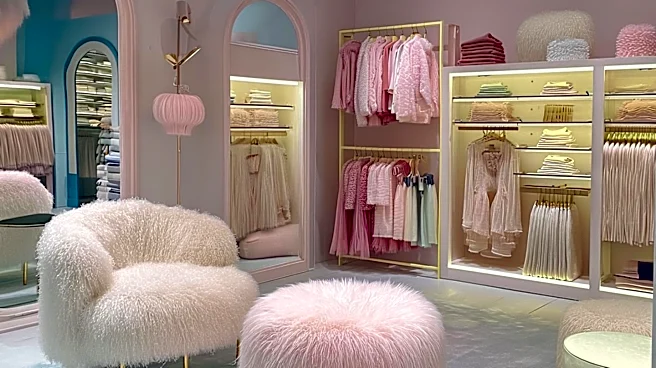
is processed in brain regions closely tied to emotion and memory, allowing a single scent to trigger vivid recollections. Historically, scent has been used for branding for centuries, with ancient temples, tea houses, and homes across Asia employing incense to set the mood of a space. Modern companies, such as Air Aroma, a family business based in Melbourne, are at the forefront of using scent as a strategic marketing tool. The goal is to create an environment that encourages customers to spend more time and money in stores by subtly manipulating their emotional state through olfactory stimuli. This approach is part of a broader effort by retailers to design comprehensive sensory experiences that maximize shopping duration and minimize early departures.
Why It's Important?
The widespread adoption of scent marketing by major retail chains signifies a sophisticated evolution in consumer psychology and retail strategy within the U.S. business landscape. This trend impacts industries by shifting focus from purely visual merchandising to a multi-sensory approach, potentially increasing sales and customer loyalty for businesses that effectively implement these strategies. Conversely, it raises questions about consumer autonomy, as shoppers may be unconsciously influenced by these engineered environments. For consumers, understanding scent marketing can empower them to make more conscious purchasing decisions, recognizing that their emotional responses in a retail setting might be subtly manipulated. The success of companies specializing in scent delivery systems, like Air Aroma, highlights a growing niche market within the service industry, creating new business opportunities and specialized expertise in fragrance development and deployment for commercial spaces. This strategy underscores the increasing importance of creating immersive and emotionally resonant brand experiences to stand out in a competitive market.
What's Next?
The future of scent marketing is likely to involve more personalized and data-driven approaches. Retailers may begin to tailor scents to specific demographics, times of day, or even individual customer profiles, leveraging AI and analytics to optimize their olfactory strategies. This could lead to a more nuanced understanding of how different aromas impact various consumer segments. We can also anticipate increased research into the ethical implications of such pervasive sensory manipulation, potentially leading to discussions about transparency and consumer rights in retail environments. As the technology for scent diffusion becomes more advanced and cost-effective, smaller businesses might also adopt these strategies, further integrating scent into the everyday shopping experience. The development of new, unique fragrances designed specifically for commercial branding will continue, pushing the boundaries of olfactory science and its application in marketing.
Beyond the Headlines
Beyond its immediate commercial applications, scent marketing delves into the profound connection between olfaction, memory, and emotion, touching upon deeper psychological and cultural dimensions. The ability of a specific scent to evoke a 'whole afternoon from years ago' highlights the powerful, often subconscious, influence of smell on human experience. This raises ethical considerations regarding the manipulation of such a fundamental human sense for commercial gain. While designed to enhance the shopping experience, the constant bombardment of engineered scents could contribute to sensory overload, particularly for individuals with heightened sensitivities. Culturally, the increasing prevalence of artificial scents in public spaces might alter our natural olfactory landscape, potentially desensitizing individuals to natural aromas or creating new associations between specific scents and commercialism. The long-term societal impact of living in increasingly fragranced environments, where emotional states are subtly guided by engineered smells, warrants further exploration into how this shapes our perceptions, memories, and overall well-being.