


What's Happening?
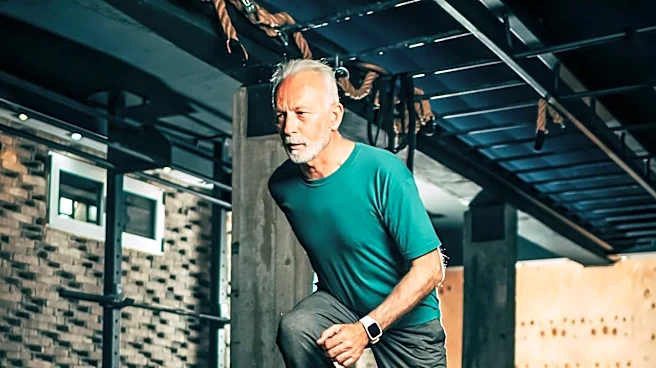
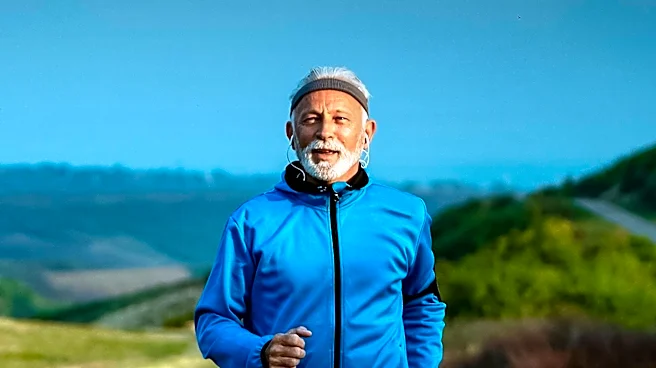
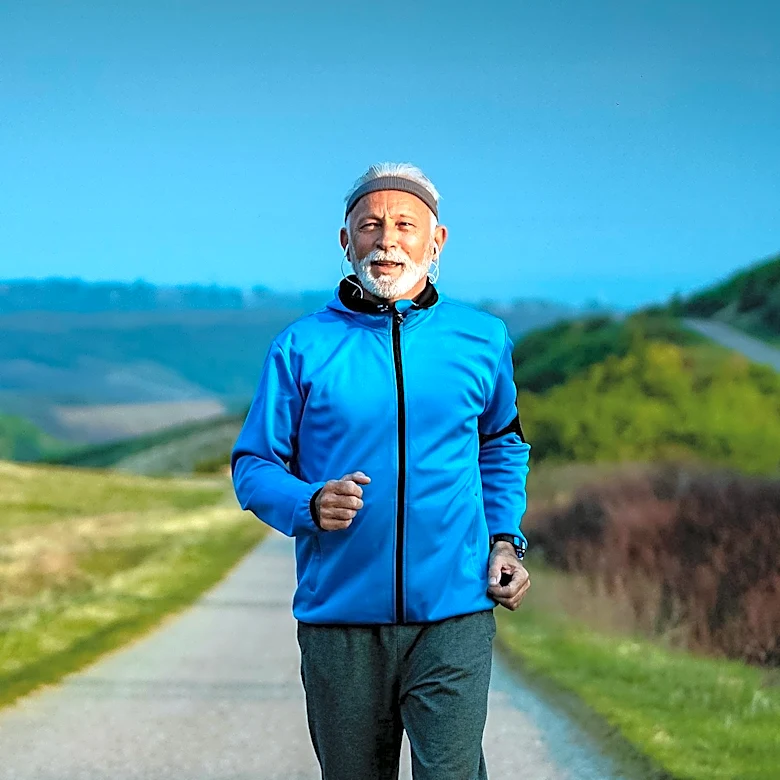
For seniors over 60, balance exercises are being highlighted as crucial for maintaining independence and preventing falls. These exercises, which can be performed at home with minimal equipment, range from beginner-friendly feet-together stands to more
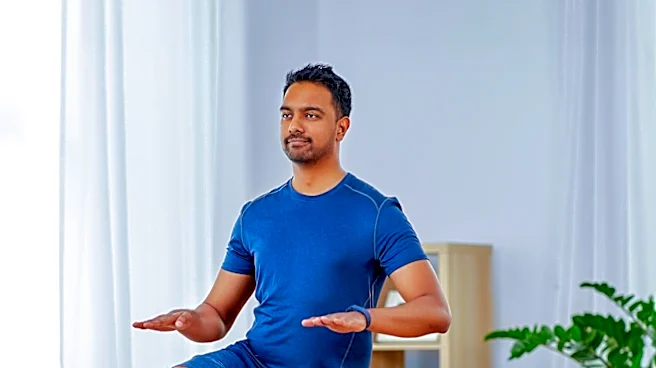
advanced single-leg stands and dynamic movements like heel-to-toe walking. Tai chi is specifically noted for its comprehensive benefits in improving balance and reducing fall risk. Safety precautions, such as having support nearby and progressing gradually, are emphasized. The recommendation is to engage in these exercises for a few minutes most days, as balance responds quickly to consistent training, with noticeable improvements often seen within a couple of weeks.
Why It's Important?
The focus on balance exercises for seniors is vital for public health in the U.S., where falls are a leading cause of injury and death among older adults. By promoting accessible and effective balance training, this initiative directly addresses a significant health concern, aiming to reduce emergency room visits, hospitalizations, and long-term care needs. This has substantial implications for the healthcare system, potentially lowering costs associated with fall-related injuries. For seniors, improved balance translates to greater confidence, enhanced mobility, and prolonged independence, significantly improving their quality of life. It also empowers them to remain active in their communities, contributing to social well-being and reducing the burden on caregivers. The emphasis on home-based exercises makes these interventions widely applicable, regardless of socioeconomic status or geographic location.
What's Next?
Continued efforts are expected to educate seniors and their caregivers about the importance and methods of balance training. This may involve public health campaigns, community workshops, and integration of balance assessments into routine medical check-ups. Healthcare providers may increasingly recommend specific balance exercise routines, potentially leveraging digital resources or local senior centers. Research will likely continue to explore the most effective exercise modalities and delivery methods for improving balance in older adults. Furthermore, there may be a push for greater accessibility to programs like Tai Chi, which have proven benefits. The goal is to embed balance training as a standard component of healthy aging practices.
Beyond the Headlines
The promotion of balance exercises for seniors extends beyond physical health, touching upon broader societal implications. It challenges the perception of aging as a period of inevitable decline, instead advocating for proactive measures to maintain physical capabilities and autonomy. This shift in perspective can foster a more positive view of aging, encouraging older adults to remain engaged and active members of society. Ethically, it underscores the importance of supporting the dignity and independence of seniors. Culturally, it may lead to a greater appreciation for low-impact, holistic practices like Tai Chi. Long-term, a healthier, more mobile senior population could reduce the strain on family caregivers and social support systems, contributing to a more resilient and integrated community structure.